

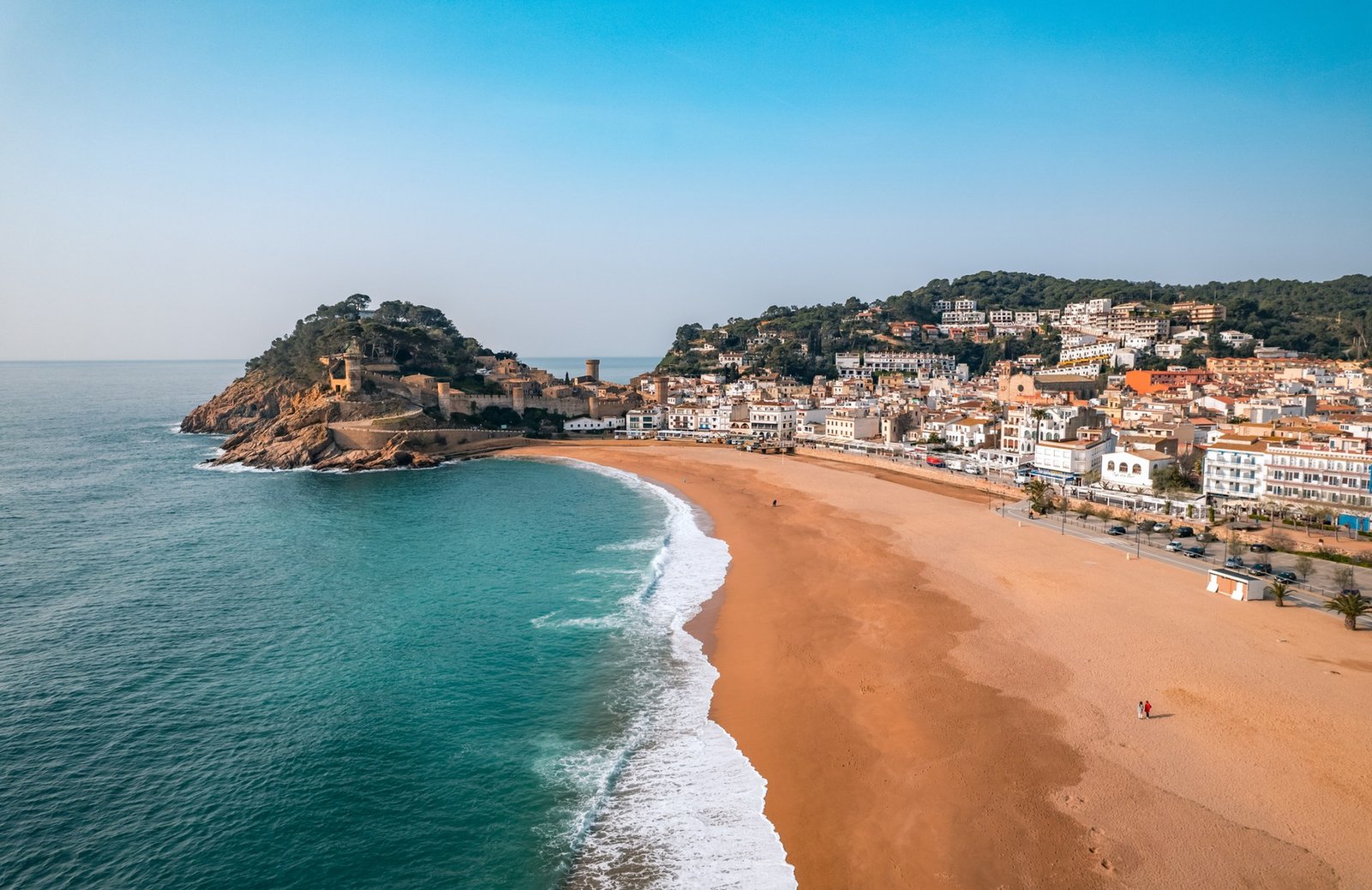
Spain, a perennial favourite for British holidaymakers seeking sun-drenched beaches, delectable tapas, and refreshing Sangria, welcomed over 13 million UK visitors in 2023. For those who enjoy the freedom of the open road, Spain offers an excellent base for exploration by car. Furthermore, with sufficient annual leave and the appropriate car hire agreements, adventurers can easily extend their journey across the border into Portugal, effectively merging two distinct travel experiences into one memorable trip.
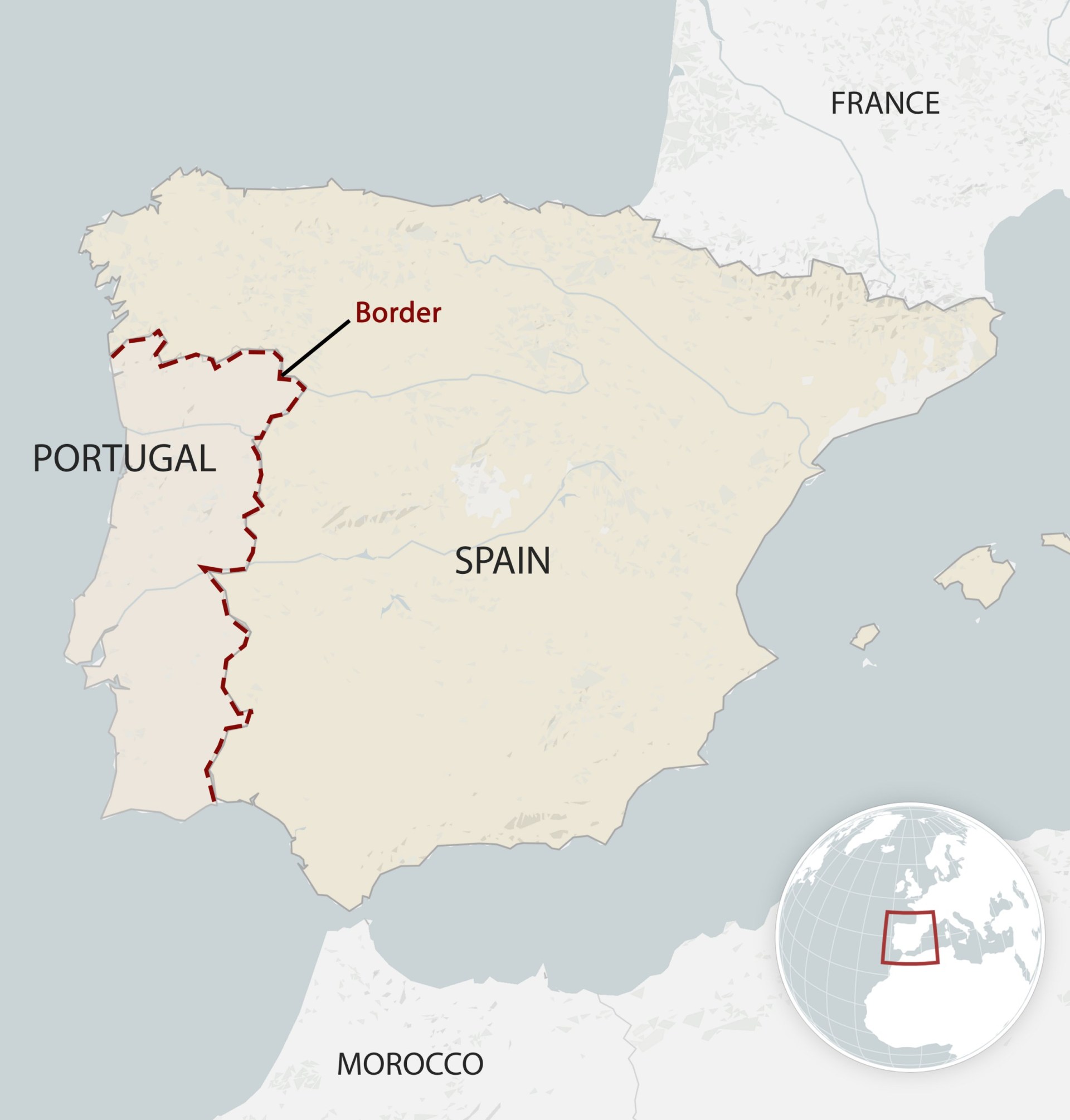
This cross-border exploration is set to become even more seamless with the planned construction of three new bridges spanning the Erges, Guadiana, and Minho Rivers. The establishment of a new Guadiana Bridge, connecting Alcoutim in Portugal and Sanlúcar de Guadiana in Spain, has already been officially confirmed. Reports indicate that this significant infrastructure project has received the green light from both the Portuguese and Spanish governments, with an estimated cost of approximately €13 million.
Enhancing Cross-Border Connectivity
The prospect of a new Minho Bridge, which would link the Spanish town of La Guardia with the Portuguese municipality of Caminha, is currently under discussion by the Luso-Spanish Joint Technical Commission on Bridges. While still in the planning stages, the approval of these new connections promises to unlock novel travel routes between the two Iberian nations. Currently, the Guadiana River poses a natural barrier, requiring significant detours. For instance, the existing Guadiana Bridge is approximately three hours and 20 minutes by car from Madrid, and just under three hours from Seville, highlighting the potential time savings and accessibility improvements these new bridges would offer.
The Spanish government has previously stated that the overarching objective of these infrastructure initiatives is to “improve the conditions for the movement of vehicles and people between the two states.” However, a definitive timeline for when these three proposed bridges will be operational for public use remains unclear.
Existing Transnational Bridges
These upcoming projects are not the first to bridge the divide between Spain and Portugal. The established Guadiana International Bridge, operational since 1991, has long served as a vital link. This impressive structure stretches from Ayamonte in southern Spain to Castro Marim in Portugal. Measuring 666 metres, it ranks as the third-longest bridge in Portugal.
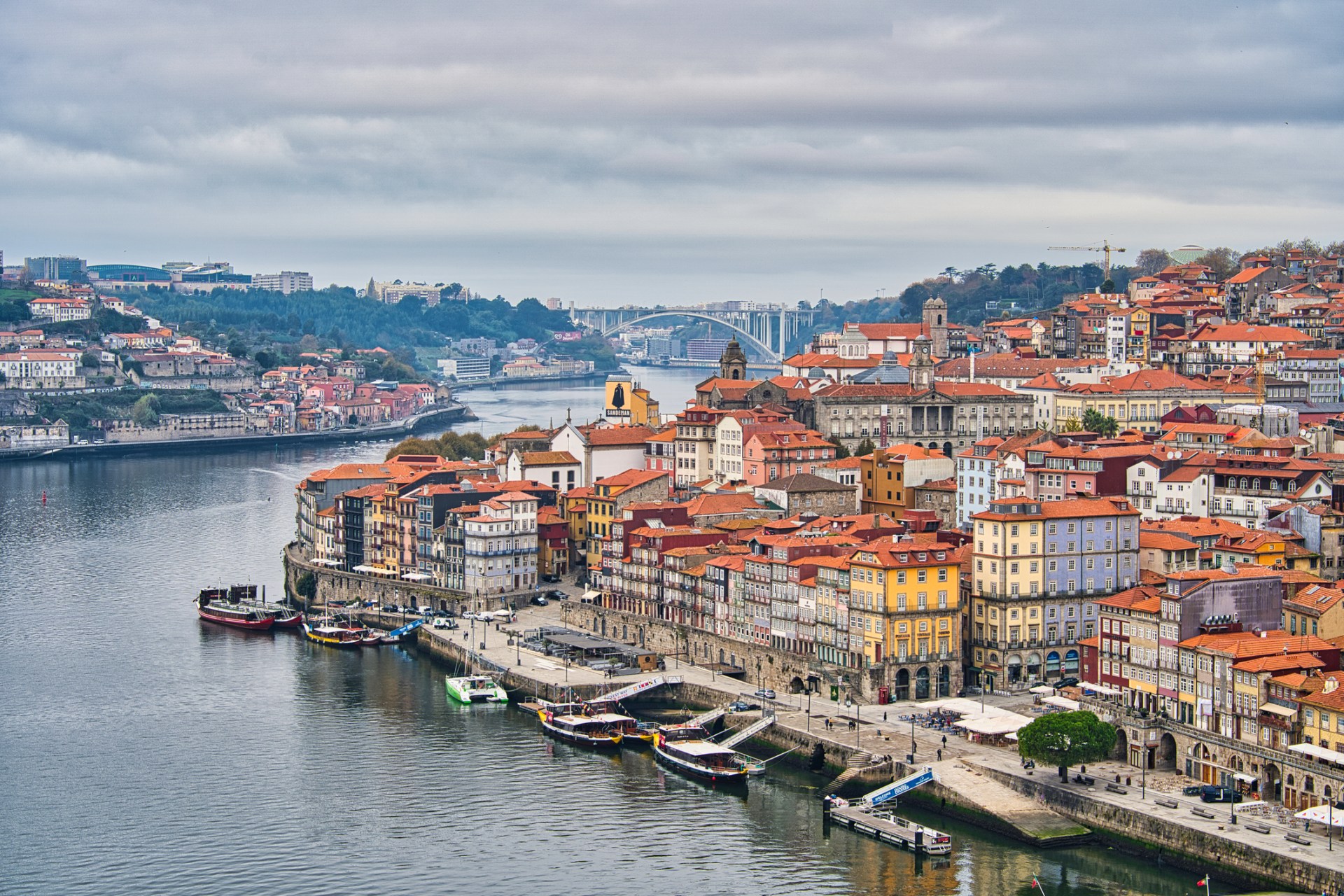
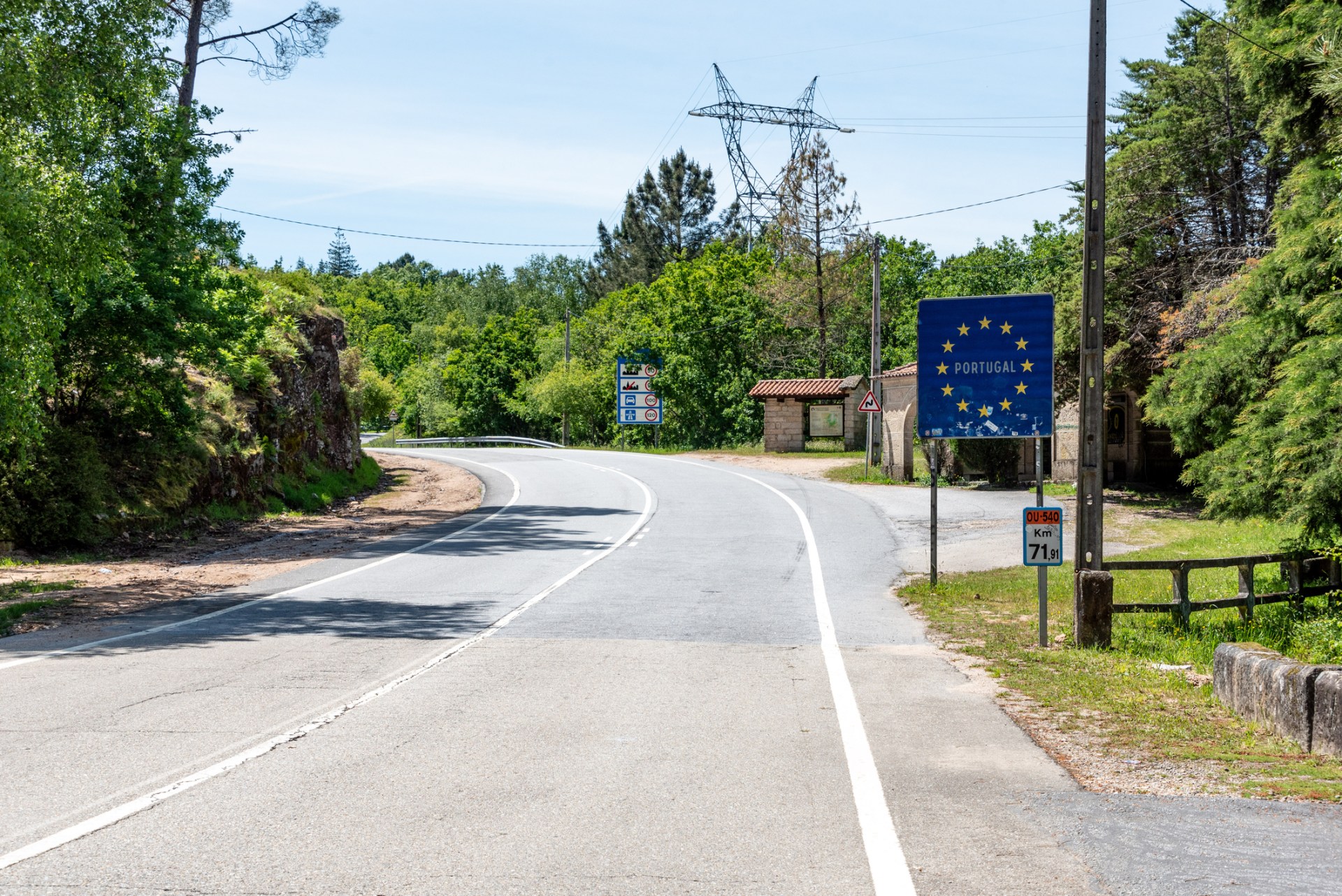
Adding to the unique tapestry of international connections is the Ponte Internacional do Marco, a testament to ingenious, albeit miniature, engineering. Measuring a mere six metres in length, it holds the distinction of being the world’s smallest international bridge. This charming crossing, funded by the European Union and completed in 2008, connects the Portuguese hamlet of Várzea Grande with the Spanish village of El Marco. Its unique nature has transformed it into a notable local tourist attraction, allowing visitors to effortlessly hop between countries, experiencing the distinct cultures of each side of the border.
Other Notable International Bridge Connections
The concept of bridges facilitating seamless travel between nations is not unique to the Iberian Peninsula.
- Øresund Bridge: Famously linking Sweden and Denmark, the Øresund Bridge connects Malmö in Sweden to Copenhagen in Denmark. Spanning five miles, it is Europe’s second-longest bridge and was inaugurated in 2000 after five years of intensive construction. Prior to its completion, travellers relied on a more time-consuming ferry service, making the Øresund Bridge a significant improvement for commuters and tourists alike.
- New Europe Bridge and Danube Bridge: In Eastern Europe, the New Europe Bridge connects Bulgaria and Romania, spanning the Danube River between Vidin and Calafat. This bridge, alongside the older Danube Bridge (opened in 1954), has been instrumental in facilitating passenger and freight movement between these two countries since its opening in June 2013.
- Severn and Prince of Wales Bridges: Within the United Kingdom, the Severn Bridge and the Prince of Wales Bridge gracefully span the River Severn, serving as crucial links between England and Wales.
Guimarães: Portugal’s Underrated Gem
Beyond the allure of cross-border bridge projects, Portugal itself boasts destinations that continue to captivate travellers. While the Algarve often takes centre stage for its beaches and resorts, a journey approximately 30 miles north of Porto reveals a city of immense historical significance and cultural vibrancy: Guimarães.
Recognised as a UNESCO World Heritage site and holding the esteemed title of Portugal’s original capital, Guimarães offers a compelling alternative to its more frequented counterparts. Dubbed one of Europe’s “most beautiful small towns” by CN Traveller, this historic city presents a rich tapestry of experiences. Visitors can explore a thousand-year-old castle, immerse themselves in a dynamic arts scene, and soak in the atmosphere of a city that was designated a Capital of Culture in 2012.
Lonely Planet aptly describes Guimarães’s city centre as a “warren of labyrinthine lanes and picturesque plazas,” but crucially adds that it possesses a “creative edge,” setting it apart and contributing to its unique charm. This blend of ancient history and contemporary artistic flair makes Guimarães a destination that truly warrants a place on any discerning traveller’s itinerary.