
Ford Reinvents the Wheel: Tackling Annoying “Features” for a Better Driving Experience
The automotive industry has been on a relentless quest to innovate, often leading to a decade of questionable design choices that have transformed once-familiar controls into sources of frustration. From tricky door handles to perplexing gear selectors, the pursuit of “futuristic” interfaces has, at times, made driving less intuitive and more cumbersome. However, a significant shift is underway, with manufacturers now actively revisiting and refining their most inconvenient control schemes. Leading this charge is Ford, which has finally addressed one of its most widely criticized “features”: the rotary-knob shifter.
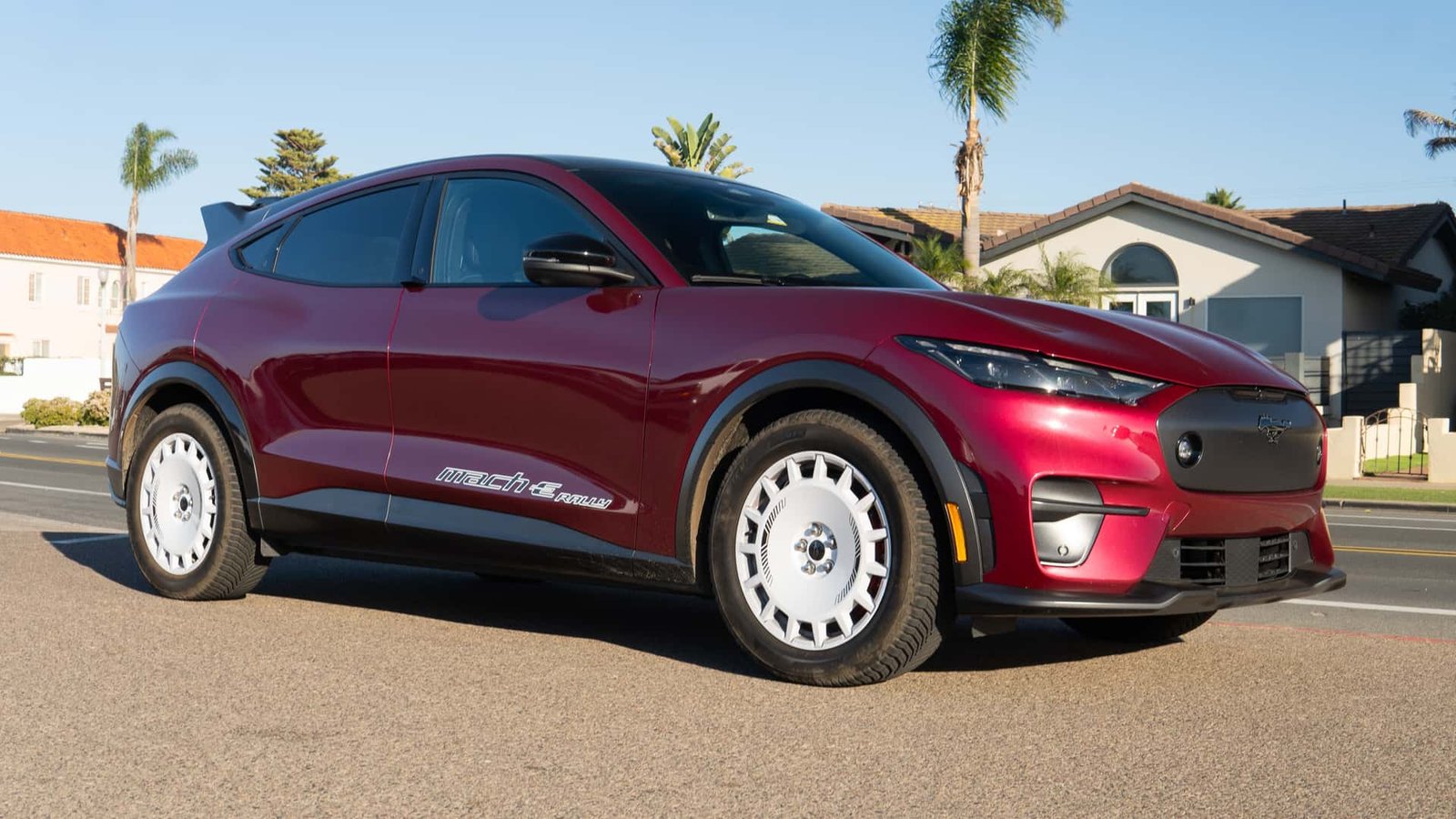
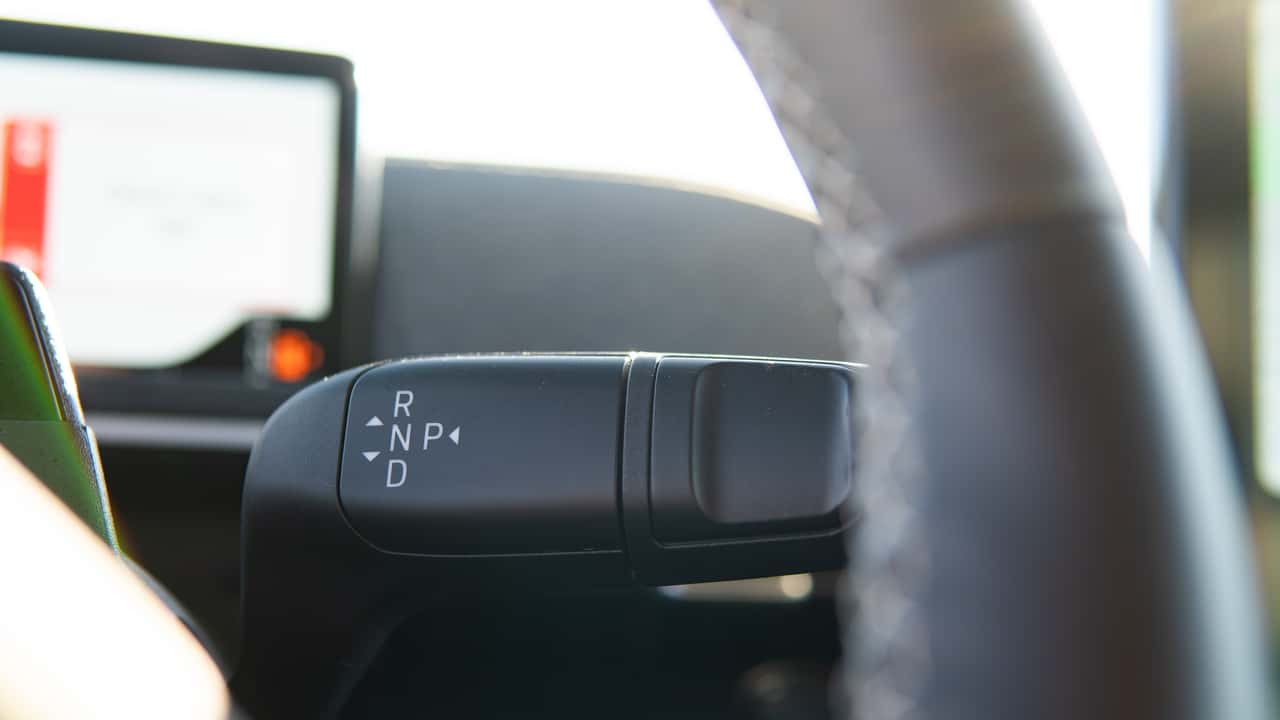
For years, the rotary shifter, prominently featured in models like the Ford Mustang Mach-E and other contemporary Blue Oval vehicles, has been a point of contention. Its placement, often recessed and requiring a deliberate downward glance for operation, not only disrupted the flow of driving but also occupied valuable real estate on the center console. In contrast, electric vehicle rivals from brands such as General Motors, Hyundai, Mercedes, and Rivian have long championed a more user-friendly approach: a readily accessible steering column shifter. This design allows for effortless engagement without diverting the driver’s attention from the road. For the 2025 model year, the Mustang Mach-E has finally embraced this superior design, rectifying a significant ergonomic oversight.
A Week with the Upgraded Mach-E: First Impressions
Spending a week with the 2025 Mustang Mach-E Rally provided a tangible demonstration of the impact of this seemingly small change. The upgraded shifter demonstrably improved the ease of parking, general usability, and overall maneuverability. This welcomed improvement offered a respite within a vehicle that, despite its advancements, still presents several counterintuitive control elements. The Mach-E’s unique press-to-pop door release mechanism, for instance, transforms what should be a seamless entry into a two-step process. Furthermore, accessing the controls for the front trunk (frunk) necessitates navigating through a slow-loading, drop-down menu, adding unnecessary complexity.
Lingering Infotainment Woes
Even as the Mach-E enters its fourth year on the market, its infotainment system continues to be a source of sluggish performance. While the menu structure is generally logical and the visual clarity of the graphics is commendable, the loading times for new menu sections are noticeably prolonged. Scrolling through the interface reveals a distinct lag, where screen movements trail noticeably behind the driver’s finger input. The experience can be likened to operating an outdated tablet, such as an iPad 2, equipped with a decade-old processor, presented on a central display that serves as the sole gateway to the vehicle’s functions.
The Rotary Shifter: A Problem Solved
The elimination of the rotary shifter from the 2025 Mach-E marks a significant victory for user-centric design. This move aligns Ford with the prevailing, more ergonomic standards set by competitors in the burgeoning EV market. The steering column shifter, a staple in many modern vehicles, offers a far more intuitive and safer way to select gears, allowing drivers to keep their eyes on the road and their hands closer to the steering wheel. The rotary dial, while perhaps intended to offer a novel aesthetic, ultimately proved to be an impractical and often frustrating compromise. Its departure from the Mach-E’s interior is a clear indication that Ford is listening to consumer feedback and prioritizing a more refined and user-friendly driving experience.
Future Directions: Embracing Intuitive Design
The recalibration of the Mach-E’s controls, particularly the shifter, signals a broader commitment from Ford to re-evaluate its design philosophies. As automotive technology continues to evolve, the emphasis must remain on enhancing, not hindering, the driver’s interaction with the vehicle. The ongoing development of electric vehicles presents an opportunity to rethink traditional interfaces from the ground up, ensuring that innovation translates into genuine improvements in usability and safety. The successful integration of a column shifter into the Mach-E is a testament to this evolving mindset, suggesting that future Ford models will likely prioritize intuitive controls and a more seamless user experience, moving away from the experimental and often perplexing “features” of the past. This shift bodes well for consumers seeking a driving experience that is both technologically advanced and inherently practical.
It’s the epitome of these modern trends, but far from alone. The last Mercedes EVs I drove also took the touch-and-capacitive control fixation to dizzying heights, and I hate the touch-sensitive buttons that Volkswagen, Hyundai, Kia and others rely on. Yet Ford’s rollback is also part of a broader trend: Companies are reversing these moves.
- ‘Everything’s On A Screen’: Here’s Why Scout’s New Cars Will Have Good-Old Buttons
- New Tesla Model Y And Model 3 Retrofit Adds Factory-Like Buttons
- VW Design Boss Confirms Buttons Coming Back: ‘It’s A Car, Not A Phone’
- Hyundai Is Bringing Back Buttons Because Touchscreens Are ‘Annoying’
Volkswagen has announced that it’s bringing physical controls back, with an exasperated executive noting, “it’s a car, not a phone.” Scout and Slate, two new EV companies, have made it a point to bring physical controls back to center stage. Hyundai, too, is reversing course. In Europe, many automakers may have to follow suit, as regulators weigh requiring physical controls for key functions.
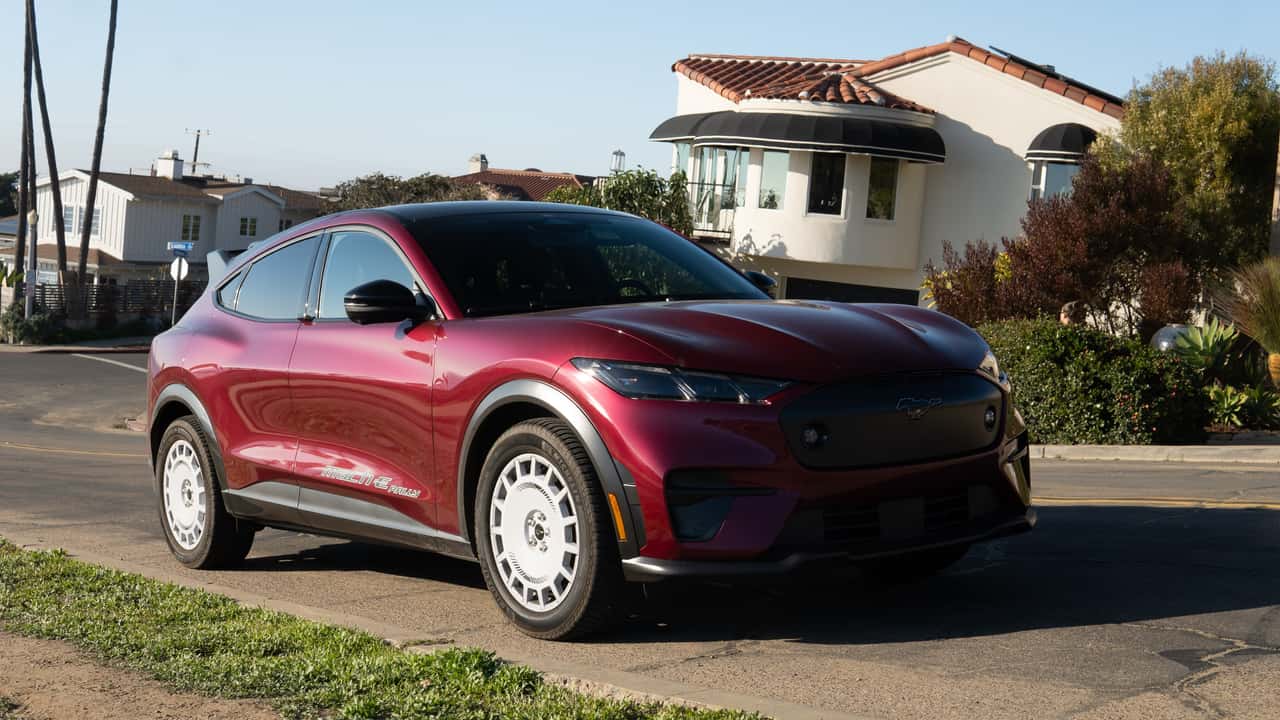
The original Mach-E, then, represents a moment in time when automakers took minimalism to its infuriating maximum. But as it has been on sale, Ford has added more range, more technology and more power. The company has also cut its price repeatedly, improving its value proposition while adding quality-of-life upgrades like the column shifter. This represents the true source of this “cost-cutting.” EVs are expensive, and as they have raced to deliver affordable options, many automakers now realize they may have cut one too many corners.
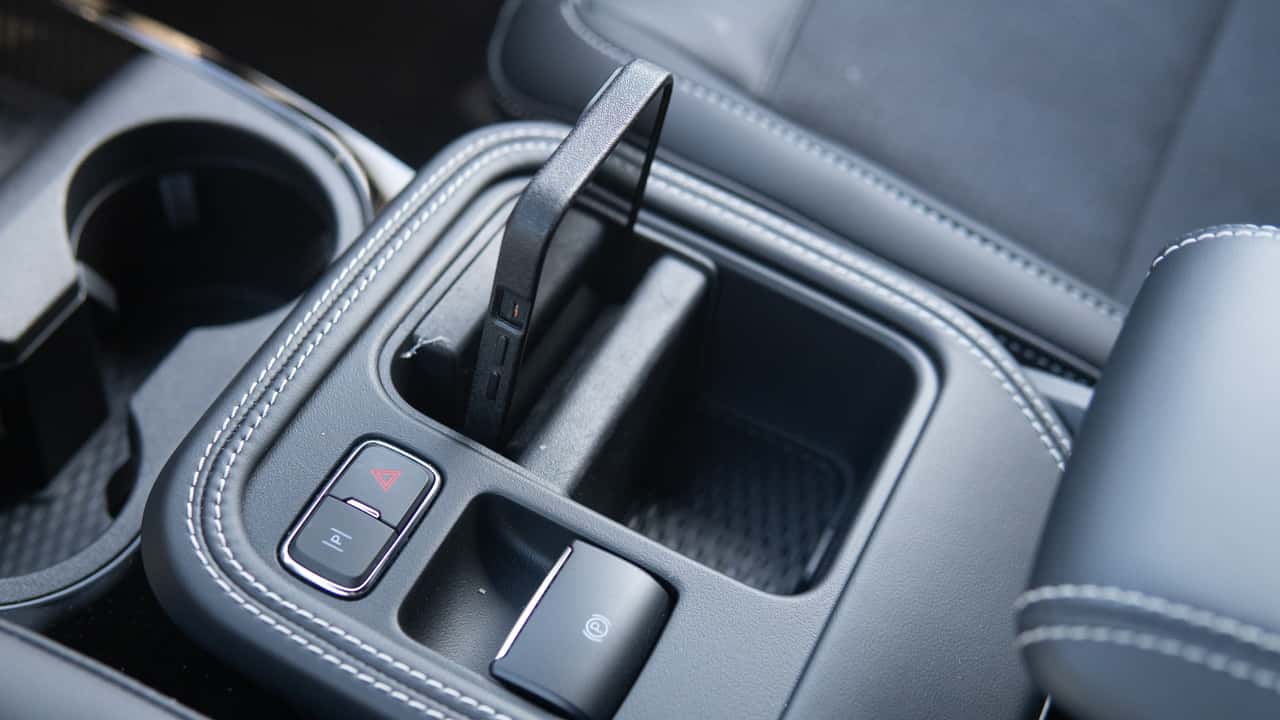
The 2025 Mach-E is proof that things won’t continue that way forever. As automakers scale up EV efforts and battery investments, EVs are getting cheaper every year, paving the way for nicer interiors without exorbitant prices. Until that day comes, the Mach-E persists with a less-than-stellar user interface. But for this year, at least, it got a little bit better.
Contact the author: Mack.Hogan@insideevs.com.