US Coast Guard Pursues Oil Tanker Near Venezuela Amidst Shadow Fleet Crackdown
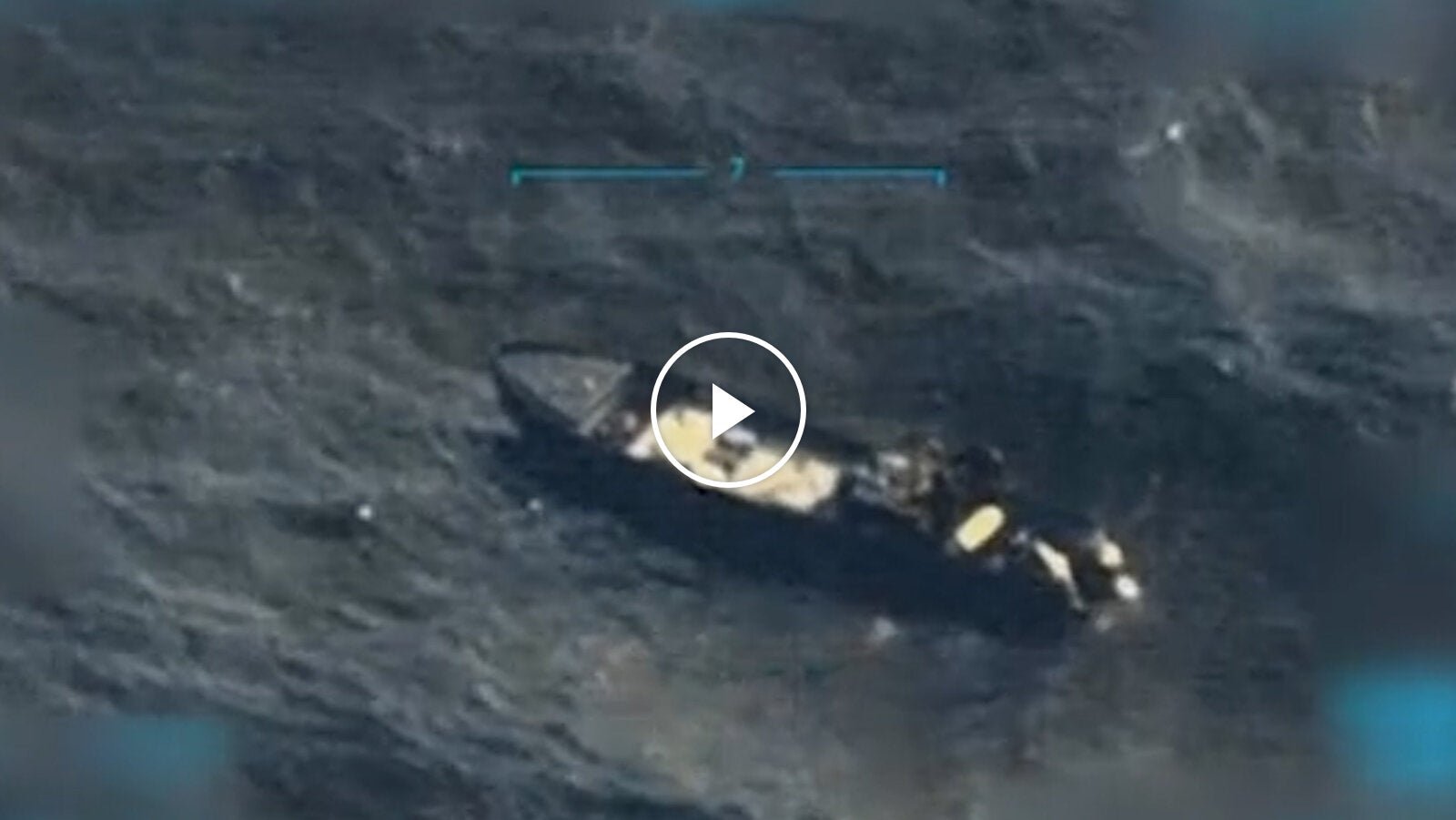
The United States Coast Guard is reportedly engaged in an operation to intercept a third oil tanker in the waters near Venezuela, according to an anonymous US official. This vessel is understood to be part of Venezuela’s “shadow fleet,” a network of ships allegedly used to circumvent international sanctions. The operation underscores a broader US strategy to exert pressure on the Venezuelan government by targeting its oil trade, a critical revenue stream.
The tanker in question was observed sailing in international waters off the coast of Venezuela. Officials indicated that the vessel was allegedly operating under a false flag and was subject to a judicial seizure order. The exact identification of the ship remained unclear at the time of reporting, and it was confirmed that the vessel had not yet been boarded.
Venezuelan President Nicolás Maduro has publicly condemned the US actions, denouncing what he termed a “campaign of aggression that goes from psychological terrorism to corsairs attacking oil tankers.” He further vowed on Telegram to “accelerate the pace of our deep revolution!” Following previous seizures, Maduro had previously pledged that such actions would not go unpunished and indicated an intention to file complaints with the United Nations Security Council.
Requests for comment from the Pentagon and the Department of Homeland Security, both of which oversee the US Coast Guard, were redirected to the White House, which had not issued a statement regarding the ongoing operation.
This potential seizure, if successful, would mark the second such operation over the weekend and the third in just under two weeks. These actions are part of an intensified campaign by the US administration to curb the activities of vessels linked to the Venezuelan government, which are under sanctions.
Previous Seizures and Sanctions Enforcement
The US has recently taken action against other vessels implicated in the Venezuelan shadow fleet. On Saturday, a Panama-flagged oil tanker named Centuries was seized. Prior to that, on December 10, a sanctioned tanker identified as the Skipper was also taken into custody.
While the rationale for seizing the Skipper was more clearly defined – the vessel was reportedly not flying a national flag and was involved in transporting sanctioned cargo as part of the shadow fleet – the case of the Centuries presented a more complex picture. The White House described the Centuries as a “falsely flagged vessel operating as part of the Venezuelan shadow fleet to traffic stolen oil.”
However, maritime historian Dr. Salvatore Mercogliano noted that shipping databases indicated the Centuries appeared to be a legally registered vessel. He stated, “Everything indicates that she is a properly registered vessel,” while acknowledging that it was “likely carried sanctioned oil.”
Broader US Policy on Venezuelan Oil
The recent actions follow a broader policy announcement by the Trump administration detailing a “blockade” of all sanctioned oil tankers entering or leaving Venezuela. This measure is linked to demands for the return of assets allegedly seized from US oil companies operating in Venezuela years ago.
US Defense Secretary Pete Hegseth articulated this policy on X (formerly Twitter), stating, “President Trump has been clear: the blockade of sanctioned oil tankers departing from, or bound for, Venezuela will remain in full force until Maduro’s criminal enterprise returns every stolen American asset.”
This stance has been reinforced by statements from Stephen Miller, a senior advisor to the US President, who has previously suggested that Venezuela’s oil resources are rightfully claimed by the United States, citing the US role in the early development of the oil sector. Venezuela nationalized its oil industry in 1976, establishing the state-owned Petróleos de Venezuela, S.A. (PDVSA) to manage its oil resources.
Beyond Oil: Targeting Illicit Trade
The US efforts to interdict vessels associated with Venezuela extend beyond oil sanctions. The US has also targeted ships suspected of smuggling illicit substances, including fentanyl and other drugs. Since September, at least 104 individuals have reportedly been killed in 28 known strikes related to these interdictions. These operations have drawn criticism from US lawmakers and human rights advocates, who have raised concerns about a perceived lack of evidence and have characterized the fatalities as potential extrajudicial killings.