Terrifying Mid-Air Ordeal: Aussie Family Lands in Abu Dhabi Amidst Barrage of Missiles and Drones
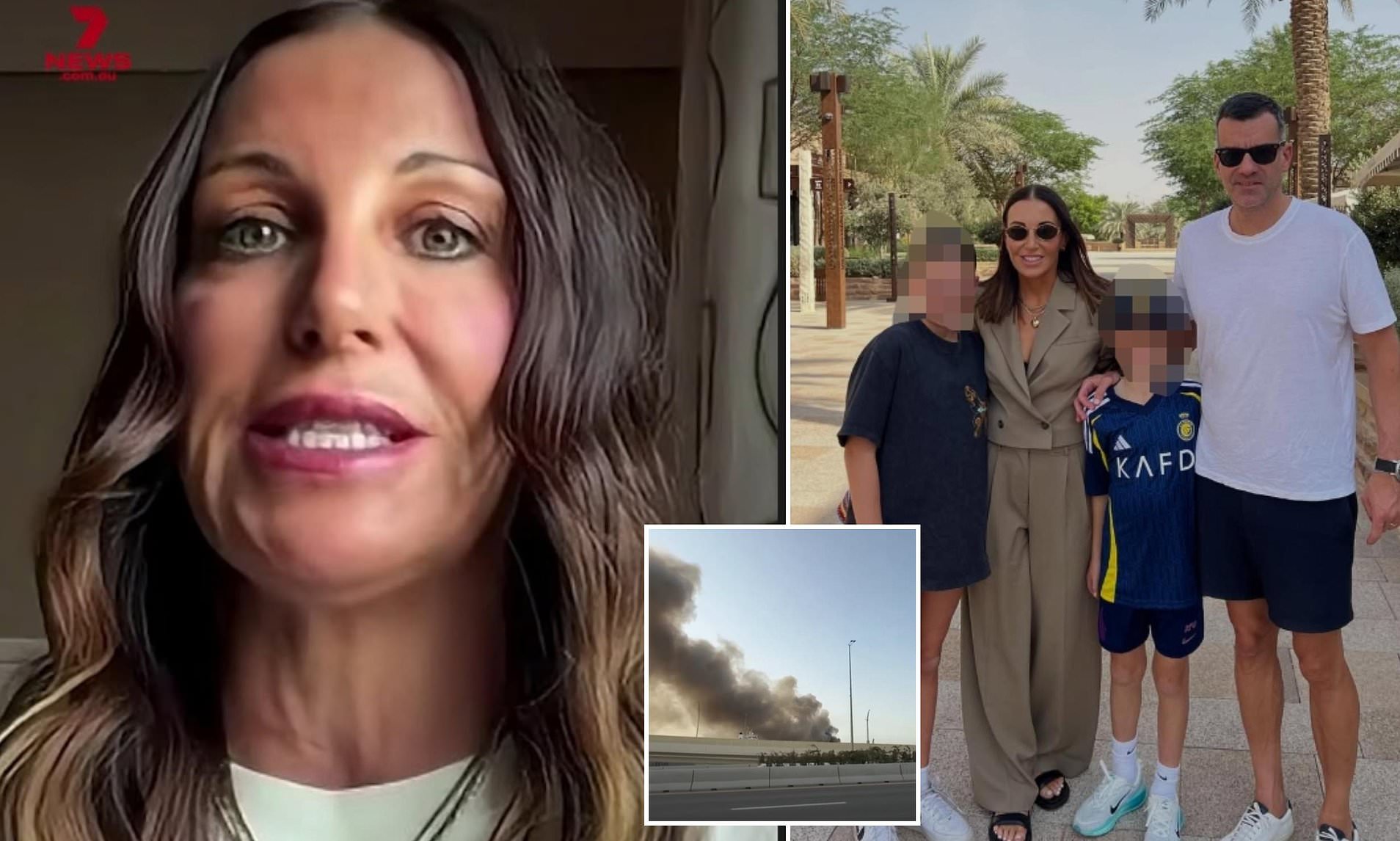
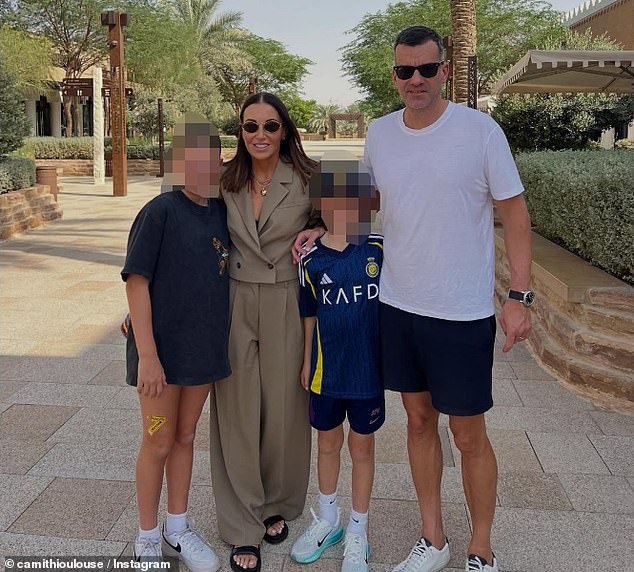
An Australian mother of two has recounted the harrowing experience of flying directly into a war zone, as her family’s journey home was abruptly rerouted to Abu Dhabi amidst a significant barrage of Iranian missiles and drones. Camille Thioulouse, her French husband, and their two young children found themselves caught in the escalating conflict while en route to their home in Riyadh, Saudi Arabia.
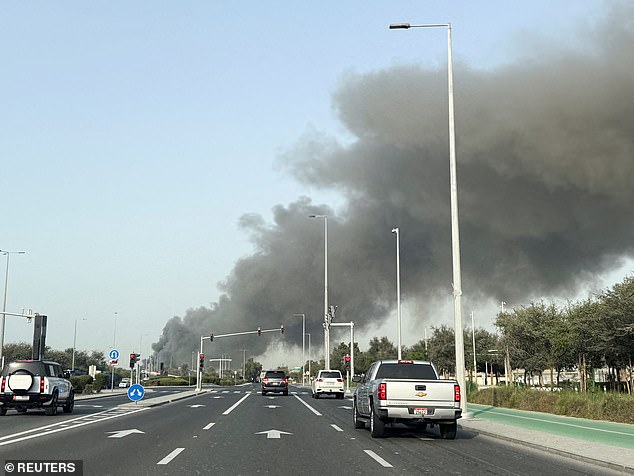
The family’s flight touched down in the United Arab Emirates capital during an intense aerial assault. Reports indicate that over 137 ballistic missiles and more than 200 drones were launched, creating a terrifying spectacle of shaking ground and audible explosions as their aircraft descended.
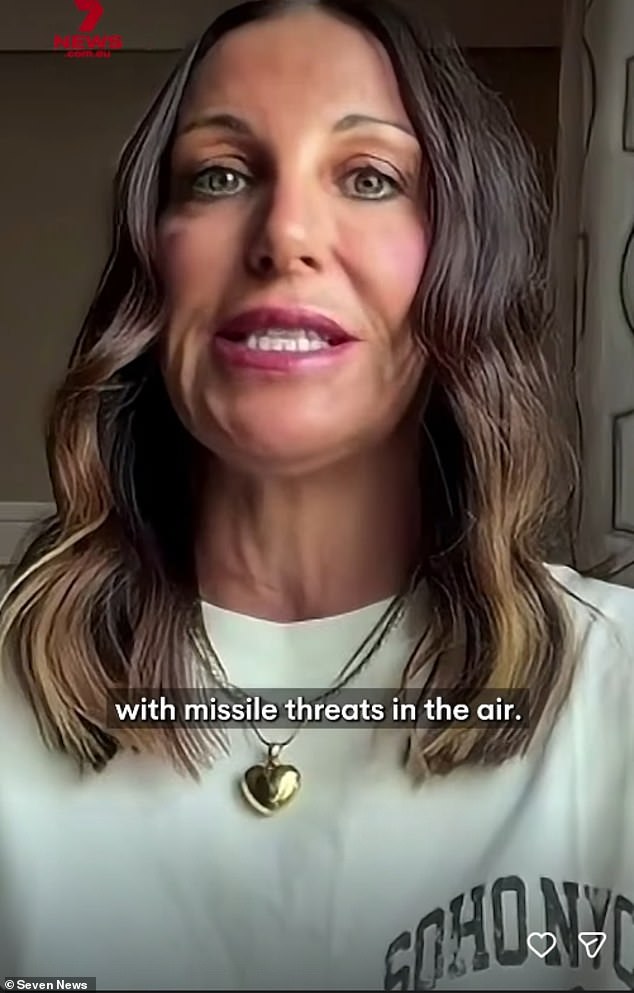
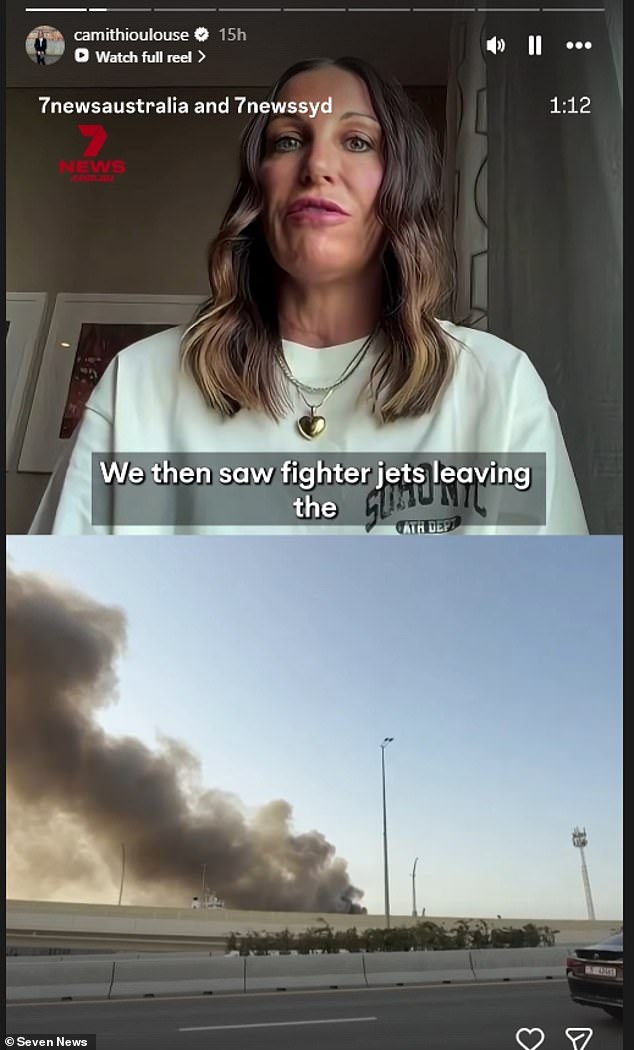
“We started receiving text messages in the air warning of missile threats and telling us to move away from the window and take shelter,” Ms Thioulouse shared with 7News. “We then saw fighter jets leaving the air space and flying past us. These alerts kept going off every 15 minutes.”
The situation upon landing was one of sheer pandemonium. “It was obviously quite terrifying. And then we were told to leave the airport, grab our luggage if we could find it,” she explained. “It was absolute pandemonium. We had to get outside onto the streets and into taxis and Ubers and again it was absolute chaos on the streets.”
Ms Thioulouse, who heads her own PR firm, The Société, and has a background in the fashion industry, described their first night in a hotel as being “a lot calmer,” but underscored the pervasive atmosphere of “a lot of unease, a lot of tension, everyone feels on edge.”
Despite the successful interception of approximately 90 per cent of the incoming Iranian projectiles, the family was repeatedly jolted awake throughout the night by ongoing alerts and alarms warning of further attacks and urging them to seek cover.
While the family acknowledged they were “safe for now” in a nation prioritising its citizens’ safety, the uncertainty surrounding their return home and the unfolding situation weighed heavily. “It’s hard to decipher the information coming through – airports reopening, flights resuming, road closures, border controls,” Ms Thioulouse posted on Instagram. She added that the government was “covering all hotels and meals for anyone stranded so we feel safe and looked after,” but noted they were unable to register on the Department of Foreign Affairs and Trade (DFAT) crisis portal.
Global Aviation Disrupted and Stranded Australians
The regional aviation sector has been plunged into significant disarray following the suspension of air traffic on Saturday. This disruption followed events that triggered retaliatory missile attacks on Gulf capitals and cities. Seven key airports in the region were forced to close, though major carriers like Etihad Airways and Emirates have since recommenced select flights.
The Thioulouse family’s predicament highlights the broader issue facing expatriates in the Middle East. Ms Thioulouse had only recently relocated from Australia with her children in December to join her husband, architect Nicolas Thioulouse, in Riyadh. Mr Thioulouse, a former design director at Mirvac in Sydney, had preceded his family to Saudi Arabia. Their holiday in the Maldives, intended as a relaxing break, turned into a terrifying ordeal as they were caught in the escalating conflict upon their return journey.
They are part of an estimated 115,000 Australians currently stranded abroad in the Middle East. The Australian Government has acknowledged the limitations in facilitating large-scale repatriations, stating that commercial flights remain the most viable option for returning citizens.
Navigating Uncertainty and Government Support
The Australian Department of Foreign Affairs and Trade (DFAT) has confirmed that its crisis registration portal for Australians in Iran, Israel, Qatar, and the UAE is currently not accepting new registrations, adding to the communication challenges for those seeking assistance.
The family’s experience underscores the unpredictable nature of international travel in volatile regions. While government accommodations and meals are being provided for those stranded, the primary concern remains the safe and timely return of all Australian citizens. The complexities of navigating flight schedules, border controls, and official advisories in a rapidly evolving crisis situation are a significant challenge for both individuals and consular services.
The ongoing geopolitical tensions have cast a long shadow over the region, impacting not only the immediate safety of residents and travellers but also the broader logistical and economic landscape. As the situation develops, the focus remains on ensuring the welfare of stranded Australians and exploring all possible avenues for their safe return. The resilience and adaptability of families like the Thioulouses are being tested as they navigate this unprecedented period of uncertainty.