

When hitting the road, whether for a weekend getaway or a globe-trotting adventure, the last thing any traveller wants to worry about is their belongings going missing. Unfortunately, luggage theft is a persistent concern, but a security expert has shared some savvy tips to significantly reduce the chances of your bags becoming a target. The advice centres on making your luggage less appealing to opportunistic thieves and employing subtle yet effective security measures.
Making Your Luggage Less of a Target
One of the most straightforward yet impactful strategies is to think about the visual cues your luggage sends. Brightly coloured, hard-shell suitcases are often recommended over their more subdued counterparts. Why? They stand out, making them easier to identify if they are misplaced or stolen, but more importantly, they are generally less attractive to thieves who often prefer to blend in.
High-end brand logos, while a status symbol, can unfortunately also act as a beacon for thieves, signalling potentially expensive contents. Opting for luggage without prominent branding can make it a less desirable target.
Navigating Different Luggage Vulnerabilities
It’s crucial to be vigilant with all types of luggage. Backpacks, often carried close to the body, present different vulnerabilities than wheeled suitcases. In crowded public spaces, a quick slash to a backpack’s side pocket or an opportunistic grab of a bag left unattended near your feet can lead to a loss. Wheeled luggage, while perhaps less susceptible to a quick snatch, can be targeted in baggage claim areas or when momentarily left without direct supervision.
The Art of Discreet Tracking
While the idea of a visible tracking device might seem like a good deterrent, security experts advise against it. Visible trackers can actually make your luggage more of a target, as thieves might assume you’re carrying something valuable enough to track. Instead, it’s recommended to discreetly hide tracking devices within the lining or structure of your luggage. This way, if the worst happens, you have a better chance of recovery without advertising your preparedness. Similarly, overt labels can sometimes attract unwanted attention, suggesting the contents might be worth stealing.
Smart Locking and Tamper Indicators
Locks are a fundamental part of luggage security, primarily acting as a deterrent against opportunistic theft. A simple padlock can be enough to make a thief move on to an easier target. However, it’s important to understand that most standard luggage locks are not designed to withstand determined attacks.
For an additional layer of security, consider using cable ties. While they can be easily broken, they serve as an excellent tamper indicator. If a cable tie is broken, you’ll know immediately that someone has attempted to access your bag, allowing you to take action and report the incident. Be aware, though, that determined thieves can often bypass even these measures with basic tools.
The Cardinal Rule: Keep Valuables Close
Perhaps the most critical piece of advice is to never pack essential valuables in your checked luggage. Passports, wallets, essential medications, electronics, and any sentimental items should always be kept with you in your carry-on bag. This is the surest way to protect your most important possessions.
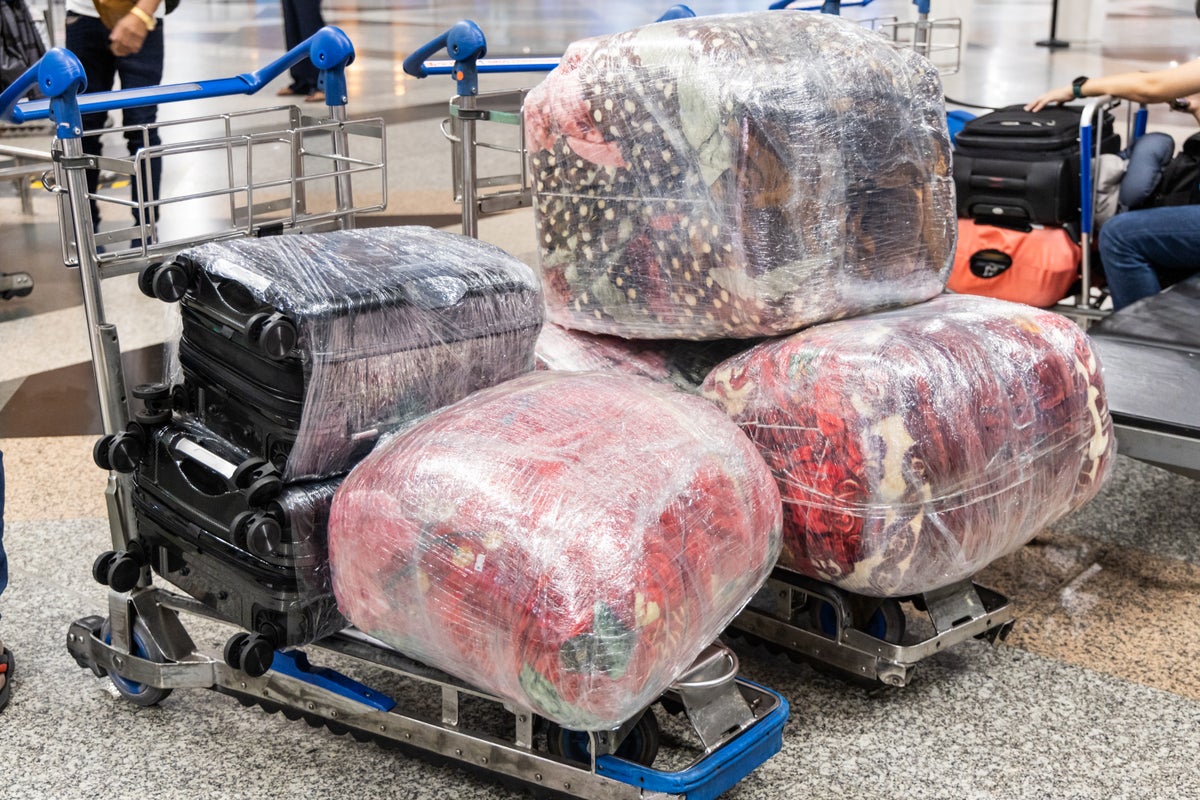
Furthermore, avoid the common practice of plastic wrapping your checked luggage. While it might seem like a good idea to protect your bags from scuffs and spills, security experts warn that this practice can actually signal that your luggage contains expensive items, making it a more attractive target for thieves who can easily cut through the plastic.
By implementing these simple yet effective strategies, travellers can significantly enhance their luggage security and enjoy their journeys with greater peace of mind.