
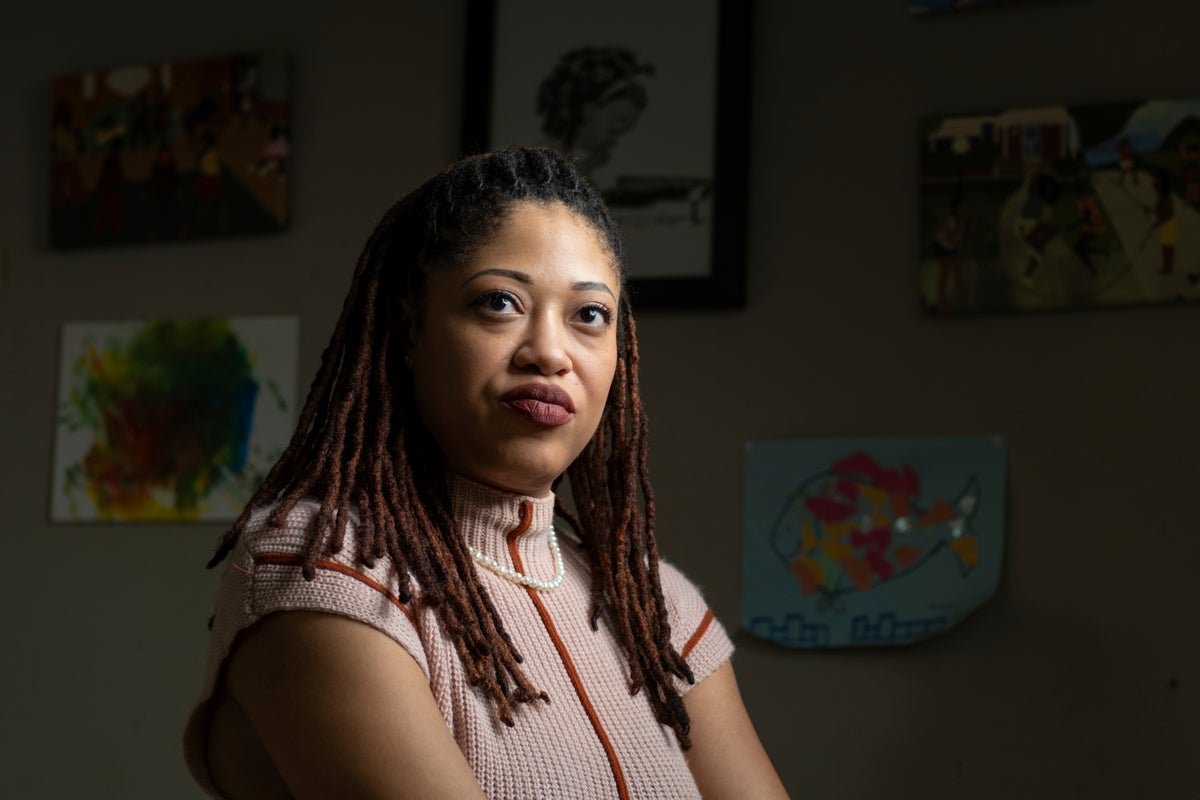
For many, navigating the complexities of social interaction and understanding the nuances of daily life can be a significant challenge. Entrepreneur Natasha Nelson, 35, from Stone Mountain, Georgia, experienced this firsthand throughout her life. She found conventional social norms baffling, struggling with small talk and questioning practices like making the bed. It wasn’t until 2023, shortly after her youngest daughter received her own diagnosis, that Nelson herself was diagnosed with autism. Now, she’s a vocal advocate, encouraging others who suspect they might be on the autism spectrum to pursue a formal diagnosis.
“If your life has always felt like it was in chaos and you don’t feel comfortable and you don’t feel like you thrive and you just feel like you’re constantly surviving and going from one thing to the next, what you got to lose?” Nelson shared, highlighting the potential relief and self-understanding that a diagnosis can bring.
Common indicators of autism spectrum disorder (ASD) include difficulties with social communication and a tendency towards intense focus on specific routines or subjects. Nelson notes that “people have become my special interest now,” a common trait where individuals develop deep fascinations. While these signs can sometimes go unnoticed in childhood, obtaining an autism diagnosis in adulthood can be a protracted and expensive process, largely due to a scarcity of medical professionals equipped to assess adults.
Understanding Autism Spectrum Disorder
Autism spectrum disorder is a neurodevelopmental condition that encompasses a wide range of intellectual, language, and social differences. These can manifest as a strong adherence to routines, fixed or obsessive interests, and challenges with eye contact or interpreting non-verbal cues. While autism is typically identified during childhood, with the American Academy of Pediatrics recommending screenings as early as 18 months, a growing number of adults are now seeking and receiving diagnoses.
The Rise in Adult Autism Diagnoses
The past decade has witnessed a significant surge in adults exploring their neurodiversity, often prompted by their children’s diagnoses or by relatable content shared on social media. Research published in 2024 in JAMA Network Open revealed a staggering 452% increase in autism diagnoses among adults aged 26 to 34 between 2011 and 2022.
Several factors contribute to this trend. Some autistic traits may only become apparent when individuals face new social demands in adulthood. Others may have developed coping mechanisms, a phenomenon known as “masking,” where they learn to conceal behaviours that might be perceived as different.
Dr. Whitney Ence, a psychologist at the University of California San Francisco who works with autistic adults, explained, “Adults have learned to compensate over time. They may have learned like ‘I can’t display that in public, and so I do that in private.’” Furthermore, the overlap in symptoms between conditions like ADHD and OCD can complicate an autism diagnosis, particularly concerning non-verbal social cues or executive functions such as attention span, working memory, and problem-solving.
Identifying Autism in Adulthood
It’s crucial to remember that autism presents uniquely in each individual. Many traits associated with autism, such as enjoying routines or delving deeply into specific topics, are also common in the neurotypical population.
However, according to Dr. Arthur Westover, a psychiatrist specialising in autism at the University of Texas Southwestern Medical Center, for a diagnosis to be met, these symptoms must cause “significant impairment.” He clarifies, “We’re human beings in general. We like routines … just having a bit of pleasure and feeling better with routines does not mean you’re autistic. It goes a little bit deeper than that.”
Russell Lehmann, a 34-year-old motivational speaker who has lived with an autism diagnosis for over two decades, exemplifies this. He describes his routines as both a source of comfort and stress. While the predictability of eating the same foods and buying the same groceries provides solace, deviating from his daily one-and-a-half-hour gym session can trigger overwhelming feelings of depression and failure. “It’s like no gym, no day,” he states. “My routine is an incredibly existential burden, because every night I go to bed knowing I have to do a routine I do not like simply to function.”
The Diagnostic Process for Adults
While online screening tools can offer initial insights, autism is a complex diagnosis. Experts strongly advise consulting with a primary care physician for a referral to a psychiatrist. The psychiatrist may then seek input from individuals who knew you in your early childhood, such as family members or friends, to gather information about the presence of symptoms during that time.
In some cases, the psychiatrist may refer you to a psychologist for further assessment. This might involve standardised diagnostic tests or the psychologist’s clinical judgment. It’s important to note that there are no specific brain scans or blood tests for diagnosing autism.
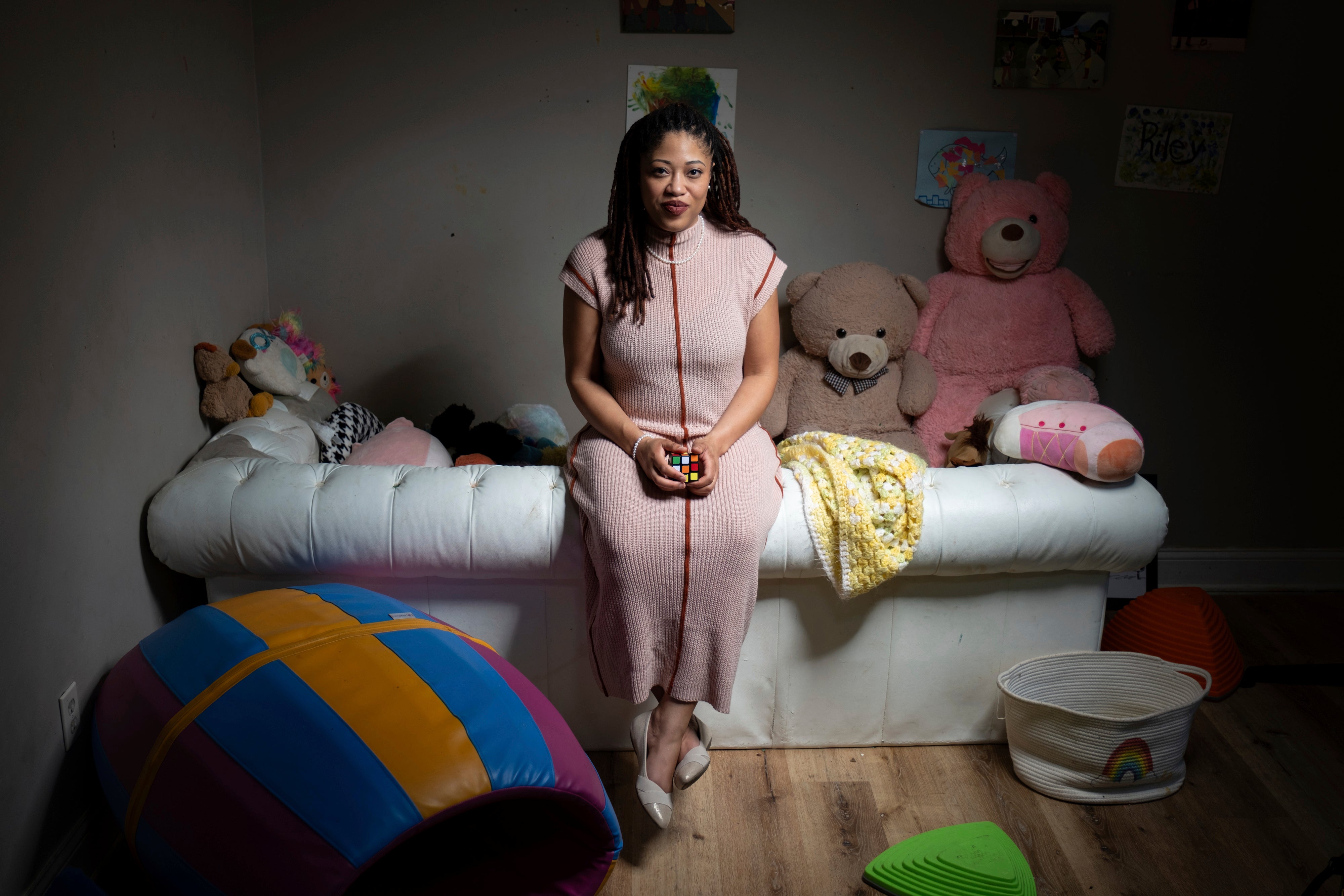
Obtaining an autism diagnosis as an adult can indeed be a lengthy and costly undertaking. Dr. Westover points to a significant shortage of specialists experienced in working with autistic adults. Natasha Nelson’s own diagnostic journey spanned three years and incurred over $3,000 in out-of-pocket expenses.
Dr. Ence suggests that individuals contemplating a diagnosis should reflect on their motivations. “What is leading me down this pathway to think that I need a professional diagnosis? Do I need access to services? Are there services I don’t have available to me?” she advises, acknowledging that waitlists for appointments can also be a factor. Understanding the “why” behind seeking a diagnosis can help navigate the process and determine if it aligns with personal needs and access to support services.


