
When embarking on a gardening journey, the dream is to cultivate a vibrant and thriving outdoor space. However, sometimes our best intentions can lead to horticultural headaches, particularly when plants take on a life of their own. Across Australia, a growing number of species are being flagged as invasive, meaning they can outcompete native flora, disrupt ecosystems, and become incredibly difficult to manage. This issue affects even beloved garden staples, with some varieties of lavender in Victoria and Western Australia, and the ethereal Spanish moss, now on the radar. Planting without a thorough understanding of a plant’s growth habits is a common pitfall, leading to widespread regret among home gardeners.
To shed light on these common missteps, we reached out to our audience to discover which plants they most wished they’d never introduced to their backyards. The responses were overwhelming, painting a clear picture of the challenges faced. From yuccas that relentlessly breach retaining walls to bamboo that reappears years after its supposed demise, the stories of regret were remarkably consistent. The recurring themes? Aggressive root systems, prolific self-seeding, and growth patterns that are rarely fully disclosed until it’s far too late.
Here’s a look at some of the plants that have left Australian gardeners wishing they could turn back the clock:
Plants Gardeners Deeply Regret Planting
Yucca
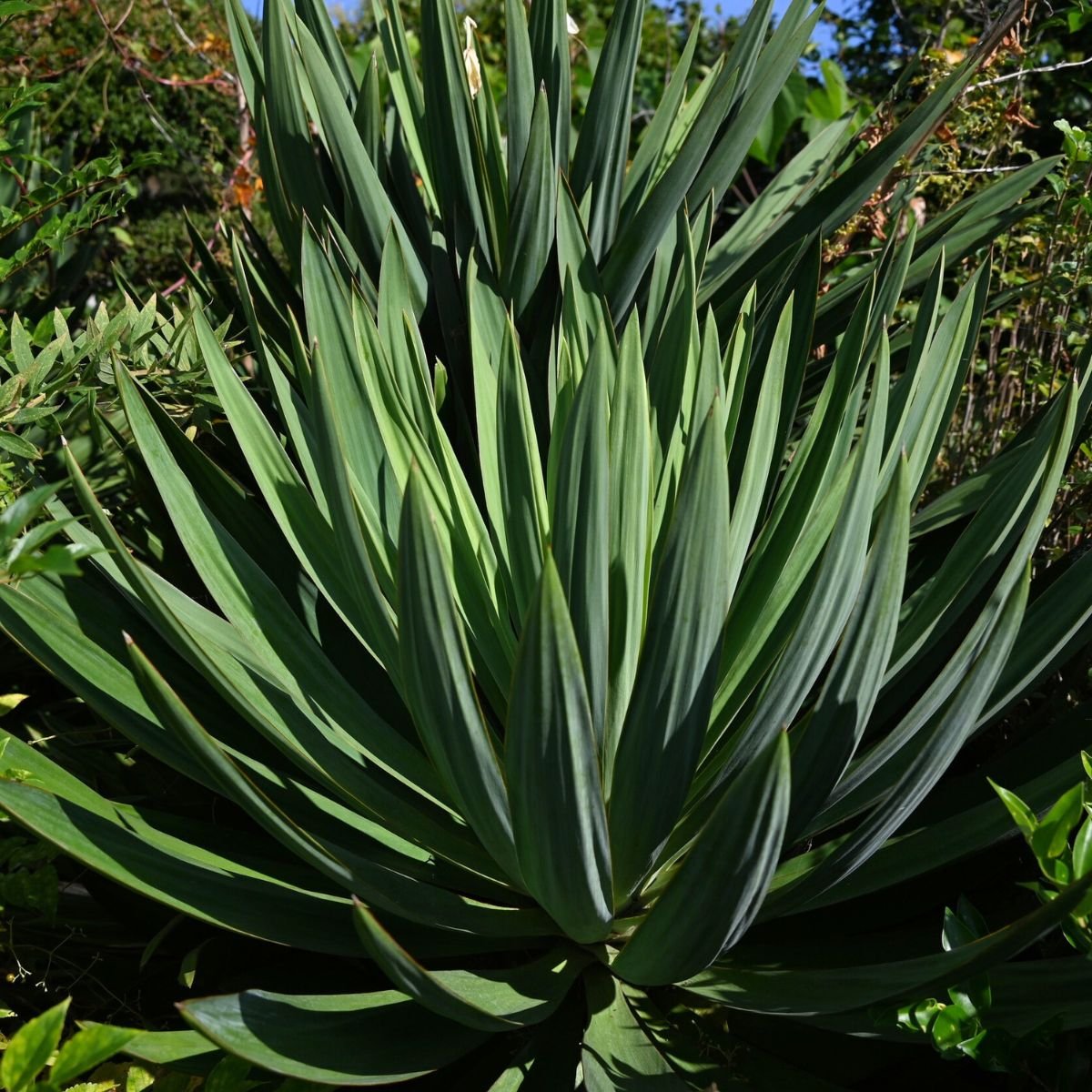
Yucca frequently tops the list of gardening regrets, and it’s easy to understand why. While often lauded for its drought tolerance and low-maintenance appeal, its root system is exceptionally invasive and notoriously difficult to eradicate.
> “Definitely Yucca,” shared one seasoned gardener. “You cut the top off, and they come back swinging, looking like a land octopus.” Another lamenting gardener added, “Yucca was planted by the landscape gardener. It moved a retaining wall. Still trying to get the roots out.”

Agapanthus
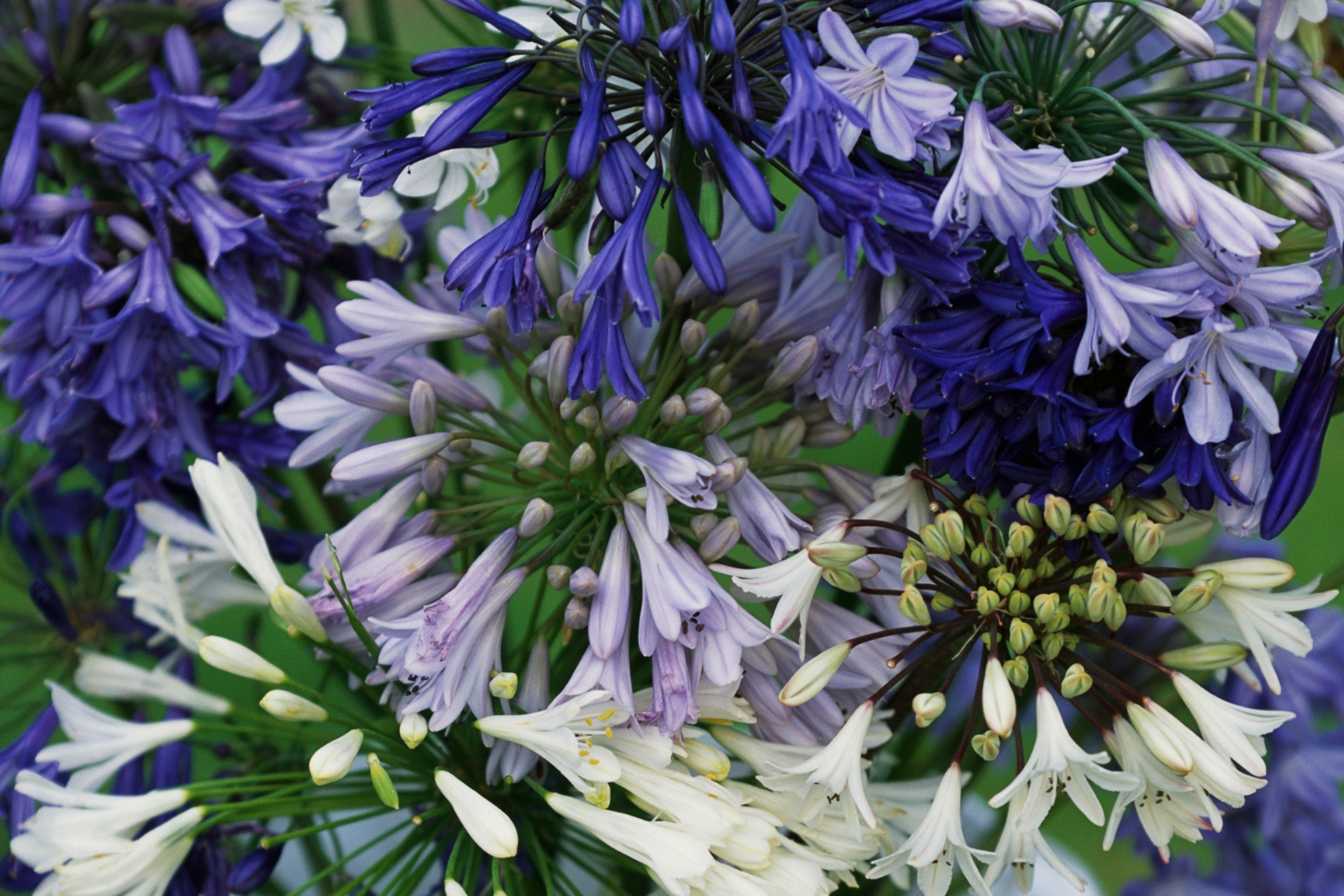
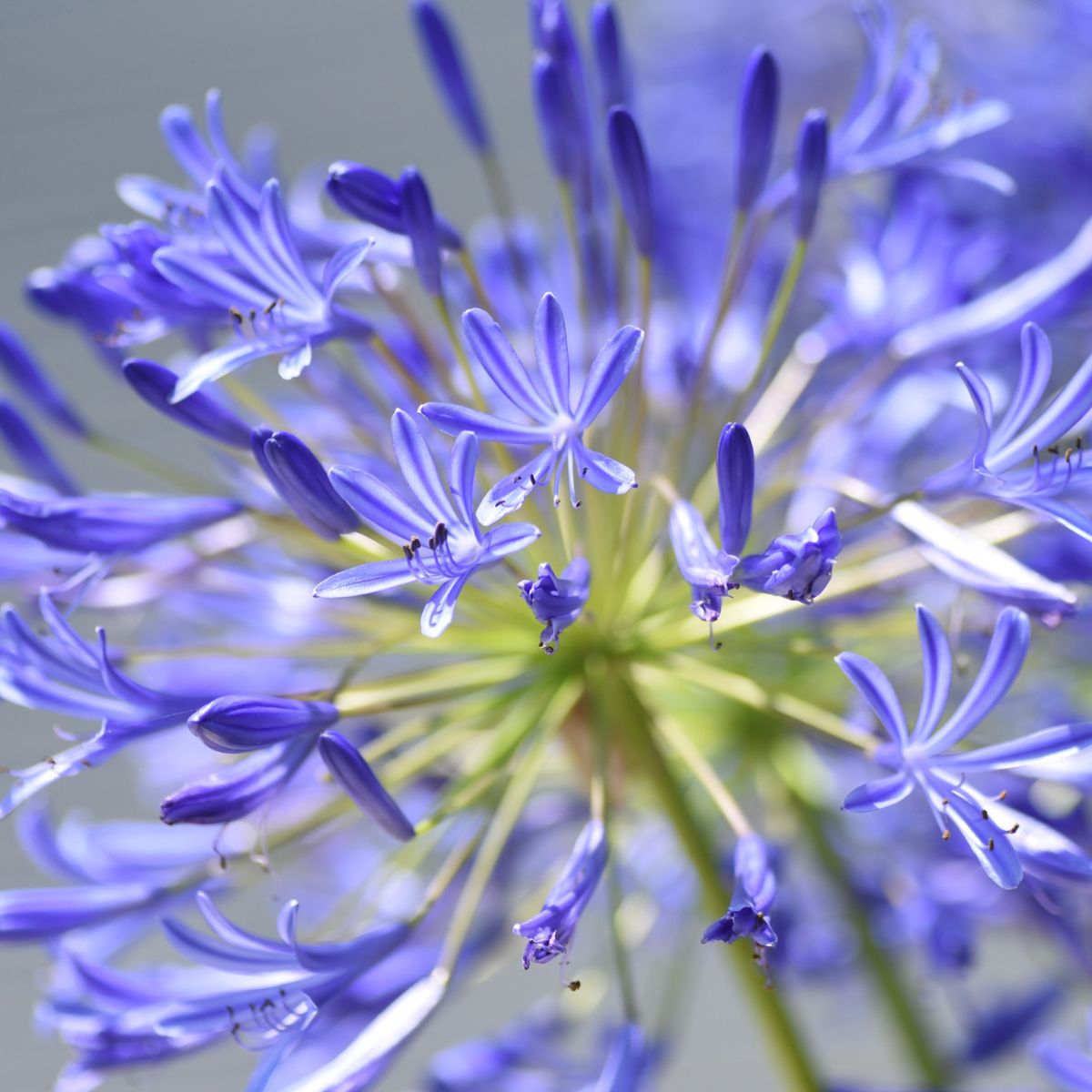
Despite their attractive purple blooms, agapanthus are considered invasive in various regions of Australia. Once established, their removal becomes a significant challenge. They form dense, choking clumps that suppress the growth of other plants and are a formidable foe to dig out.
For those needing to tackle agapanthus, there are effective no-dig methods available.Bamboo
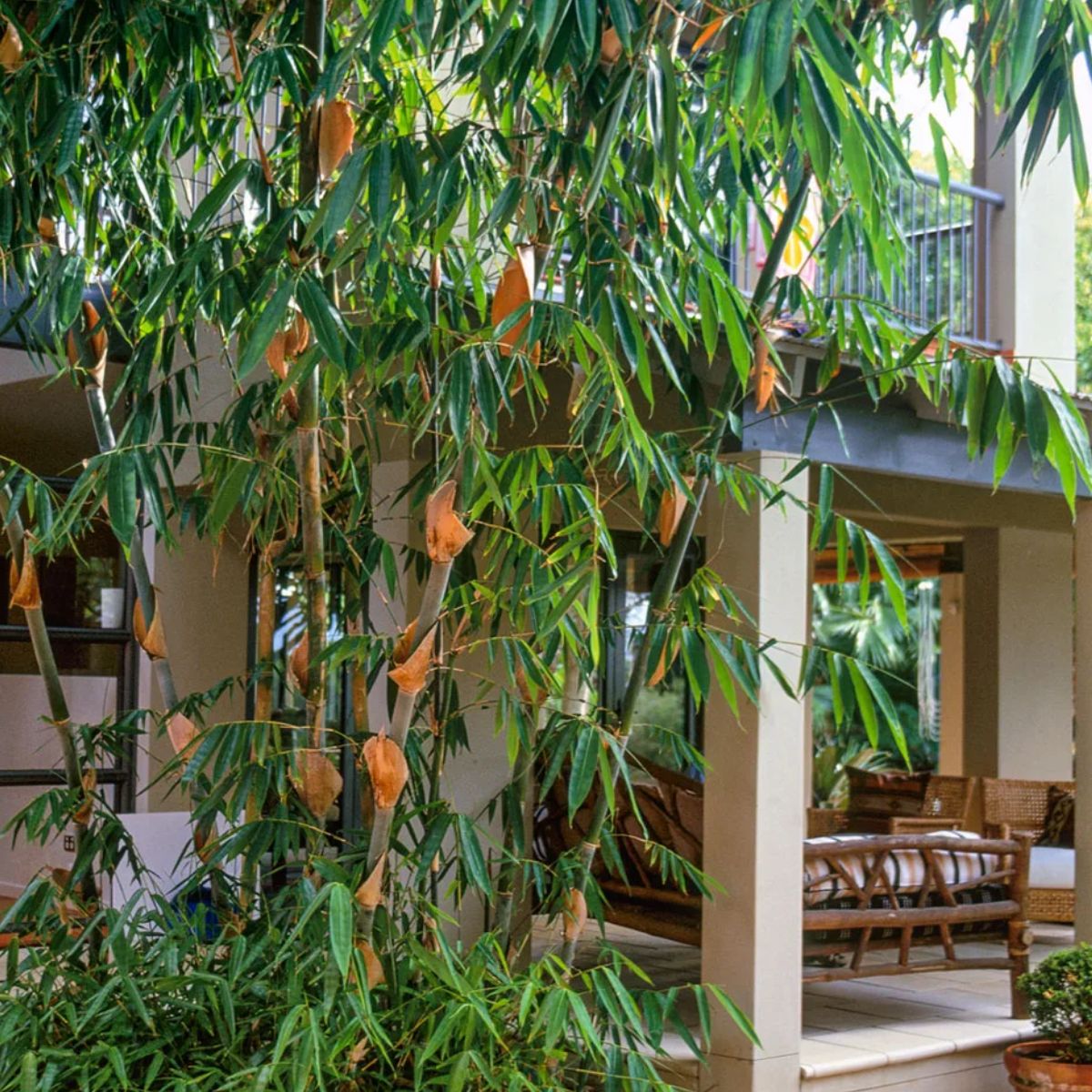
Bamboo is often chosen for its ability to provide rapid privacy. However, its aggressive nature makes it incredibly difficult to control once planted. Without stringent containment measures, bamboo can spread prolifically underground, ensuring its persistent return.
It’s worth noting that clumping bamboo varieties typically behave differently from running bamboo. Their rhizomes tend to grow outwards from a single culm, forming a dense clump rather than spreading extensively underground.
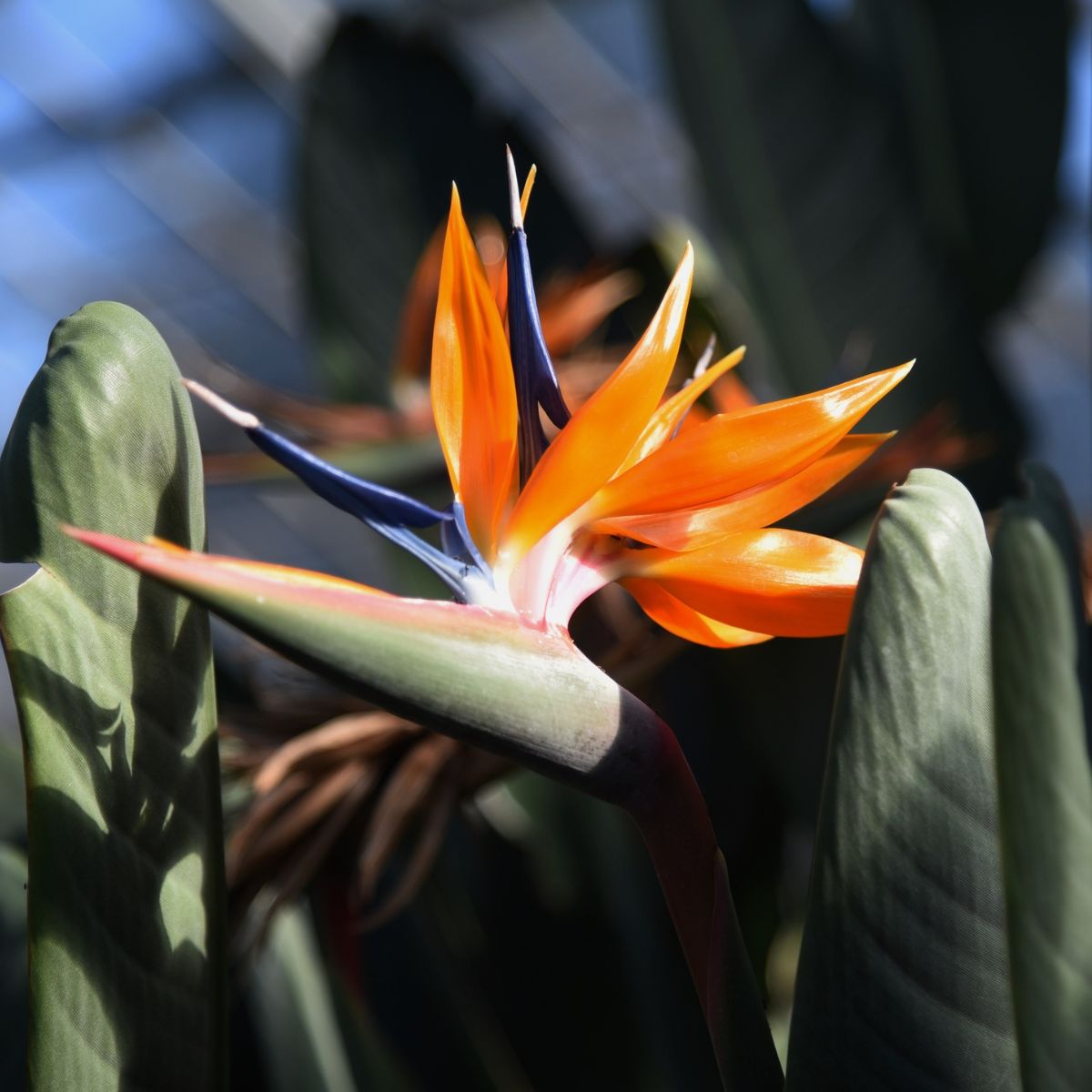
Bird of Paradise (Strelitzia)
While visually striking in a garden setting, the Bird of Paradise can quickly become an overwhelming presence if conditions are favourable. It spreads rapidly, develops a dense root system, and demands continuous effort to keep it within its designated area.
> “Five plants spread across 30 metres and there’s no going back,” lamented one gardener.
Palms (Golden Cane, Alexander, and others)
For those seeking to evoke a tropical ambiance, palms might seem like an obvious choice. However, their dense root systems can make it nearly impossible for other plants to thrive in their vicinity.
> “Nothing will grow near palms because of the dense roots,” observed one frustrated gardener.Ivy
Ivy possesses a remarkable ability to climb, spread, and effectively strangle surrounding vegetation, including trees, fences, and even neighbouring properties. Once it takes hold, removing it completely is a formidable task.
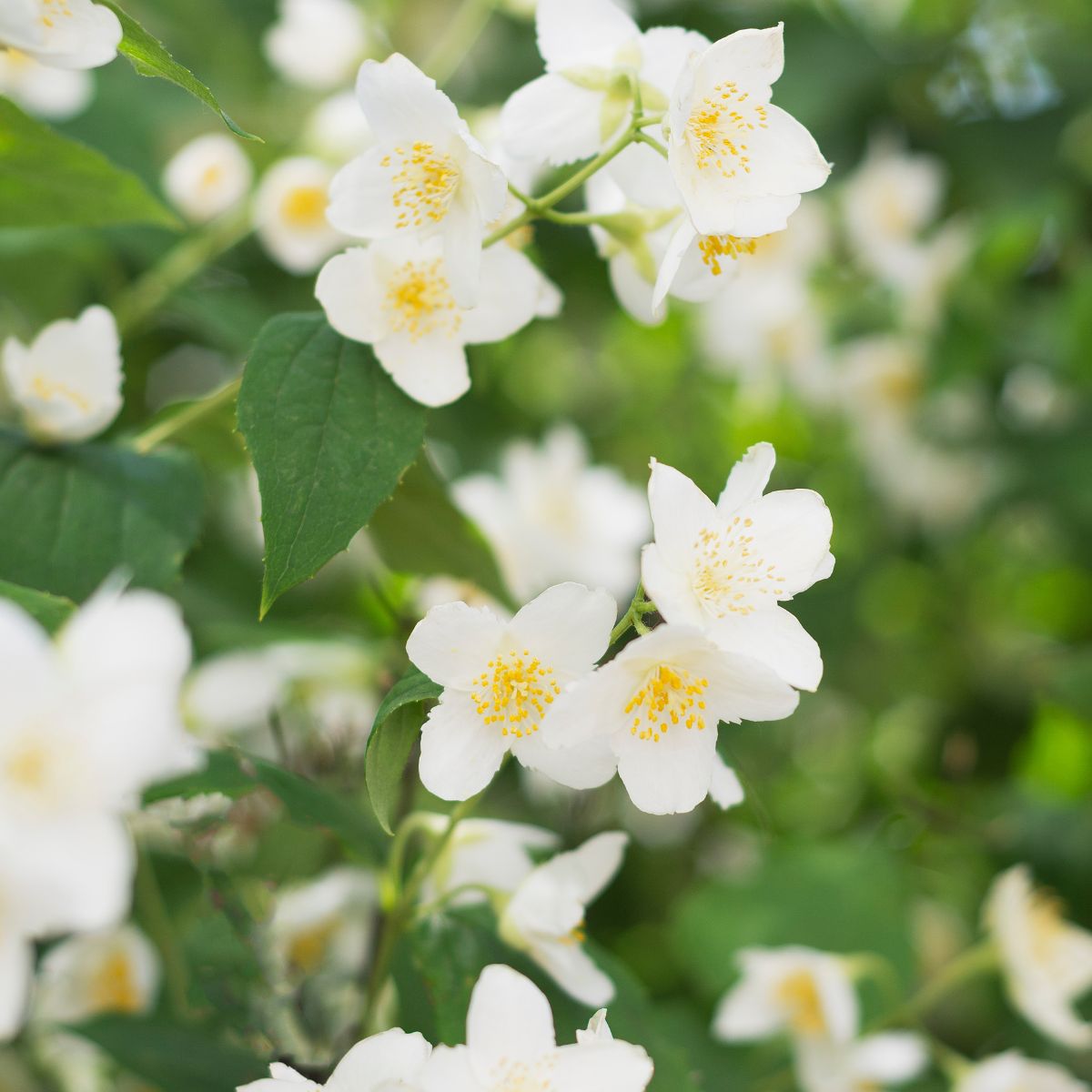
Jasmine
The intoxicating fragrance of jasmine is a major drawcard, but its rampant spreading habit is a significant drawback. Gardeners report that it can infiltrate under houses, clog gutters, and ascend trees, making complete eradication an immense challenge.
> “It’s even under the house and way up in the gutters,” reported a member of the BHG community.Passionfruit (especially grafted varieties)
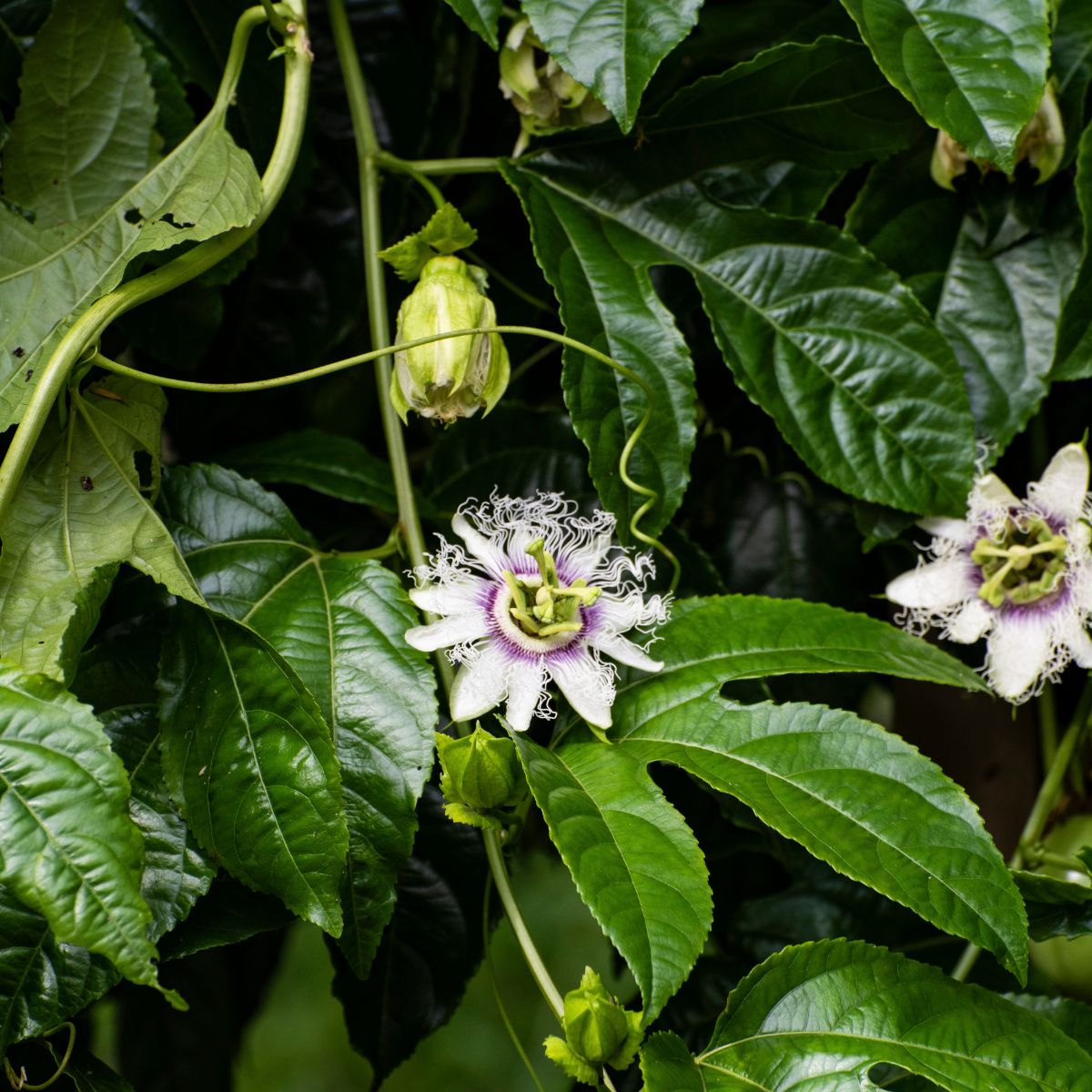
Passionfruit vines are known for their ease of growth, but their vigorous shoots can quickly engulf an entire garden if not carefully managed. Rootstock suckers can emerge far from the original planting site, causing unexpected and widespread growth.
> “Twelve years and still pulling out suckers,” shared one gardener. Another commented, “Grafted passion fruit is a nightmare.”Plumbago
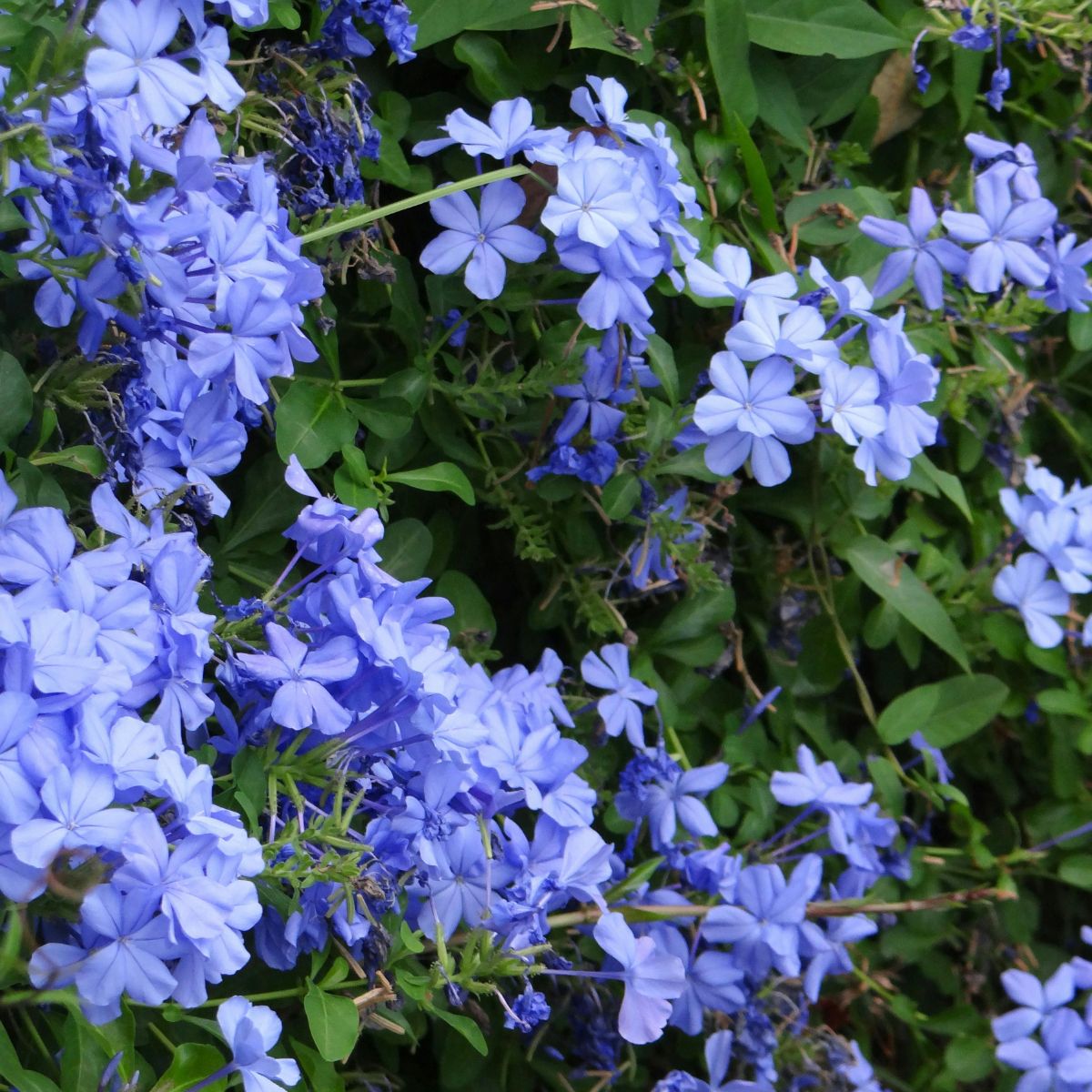
If you notice neighbours planting plumbago, it’s likely only a matter of time before it appears in your own garden. While its blue flowers are attractive, plumbago spreads aggressively via its underground root system and frequently reappears in neighbouring yards years later.
> “We got rid of it, but it sent shoots under the fence to the neighbours’ gardens,” one person recounted. They added, “10 years later it’s now shooting back to ours and invading the jasmine on the back fence.”Wisteria
Wisteria is undeniably beautiful and boasts an exquisite scent, but it is also a notorious troublemaker. Its vines thicken over time, constricting support structures, lifting concrete, and persistently re-emerging long after attempts at removal.
> “It was beautiful and a delightful perfume, but what a curse it turned out to be,” lamented another commenter.
For those determined to grow wisteria, strategies exist to manage its invasive root spread.


Understanding Why These Plants Go Rogue
It’s important to recognise that many of these problematic plants aren’t inherently “bad.” Often, their issues stem from being planted in unsuitable locations or being marketed with misleading claims about their growth habits. Horticultural experts pinpoint three primary reasons for these gardening woes:
Hidden Underground Spread: Plants like bamboo, yucca, agapanthus, and passionfruit employ aggressive underground propagation methods through rhizomes or tough root systems. Even after removing the visible plant, new shoots can emerge metres away, sometimes years later, making eradication a long-term battle.
“Low-Maintenance” Misconceptions: Plants advertised as drought-tolerant can exhibit explosive growth when conditions become favourable. With adequate rainfall, fertiliser, or nutrient-rich soil, they can quickly outgrow their intended space, transforming from a desirable feature into a high-maintenance burden.
Unforeseen Self-Seeding: Species such as forget-me-nots, alyssum, rocket, and sweet peas are prolific seed producers. Once these seeds escape the confines of garden beds, they can easily colonise lawns, seep into cracks in paving, and spread into neighbouring properties, creating an unwanted horticultural takeover.
Proactive Gardening Strategies
To avoid falling into the same traps, consider these essential steps before introducing new plants to your garden:
- Research Mature Size: Always investigate the plant’s ultimate size, not just its current appearance in the pot.
- Inquire About Spread: Understand how the plant propagates – whether through roots, runners, seeds, or suckers.
- Utilise Barriers: For known aggressive spreaders, consider installing physical barriers or planting them in containers.
- Strategic Placement: Avoid planting aggressive species near fences, plumbing infrastructure, or concrete structures, as their invasive nature can cause significant damage.