

Surfing Icon Stephanie Gilmore: A Barbie Doll, a Comeback, and a Legacy of Empowerment
World Surf League champion Stephanie Gilmore, a name synonymous with grace and power on the waves, has recently been honoured in a way few athletes ever achieve. The 38-year-old Australian surf legend has been immortalised as an official Barbie doll, a testament to her impact beyond the sport. This recognition coincides with International Women’s Day and a significant personal milestone: Gilmore’s return to competitive surfing after a two-year hiatus.
Speaking about her comeback, Gilmore revealed that the decision to re-enter the competitive arena was a natural progression. “I always thought that I would have some time off and then just see how I felt [after],” she explained. “If I was watching the events from afar and feeling like I was missing it, or still had that inkling to want to get back to it, I would.”
That “inkling” grew as she observed a new wave of talented young surfers making their mark. “Part of me still had this desire to try and compete with these awesome young women. So yeah, that was kind of it. Simple,” Gilmore admitted. She’s now gearing up to face formidable opponents, including the top-ranked Aussie young gun Molly Picklum, 22, and the current world champion Caity Simmers, 20. Despite her retirement, Gilmore felt she still had “a few years left of surfing” in her, and a perfect opportunity presented itself. In November, she accepted a wild card invitation to compete in Championship Tour events, officially ending her two-year break from the sport.
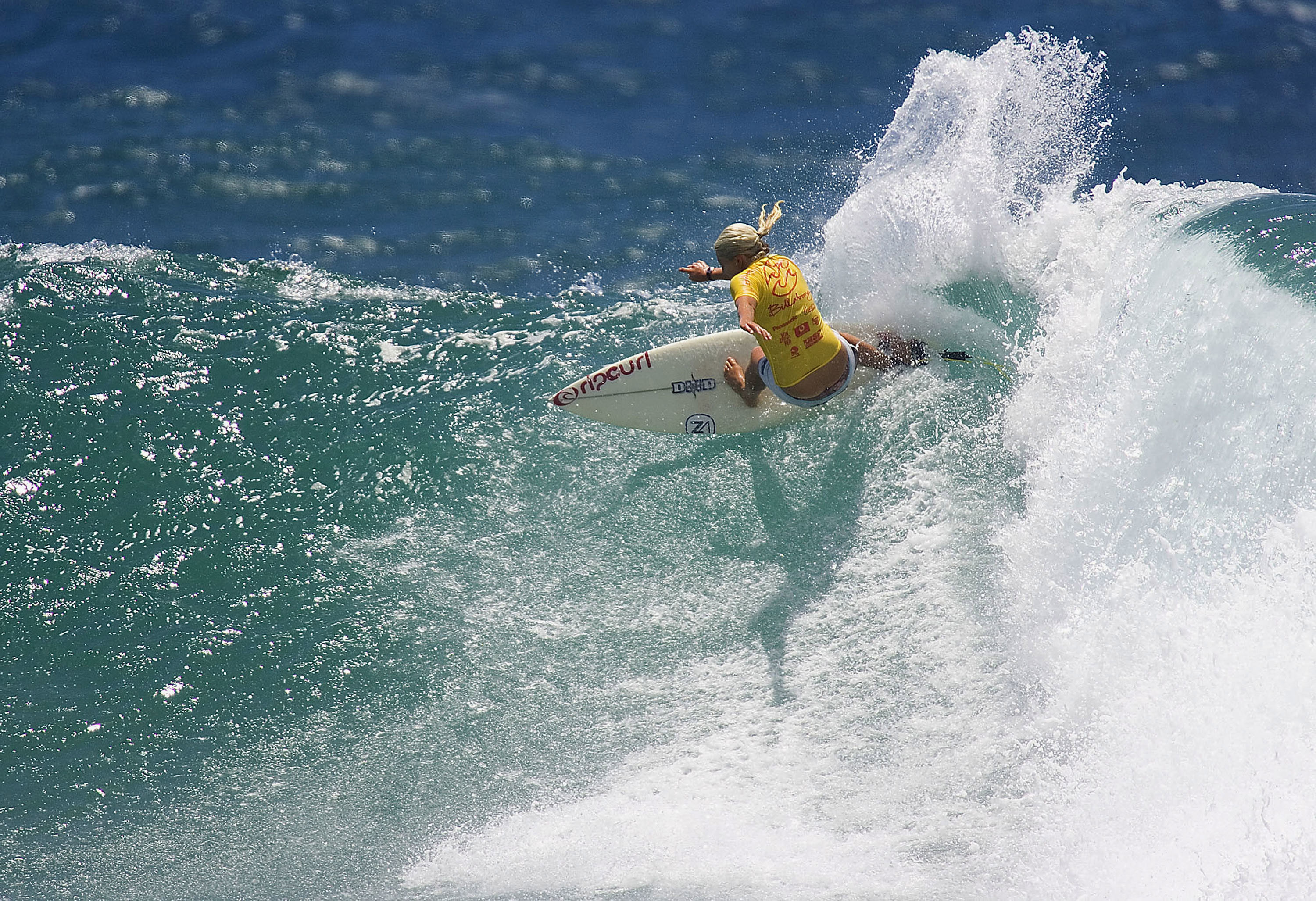
Gilmore’s decision to return was also inspired by other prominent female athletes who have defied expectations. She cited tennis icon Venus Williams and Olympic alpine ski racer Lindsey Vonn as examples of women who have successfully navigated career transitions and comebacks. Her philosophy is clear: if you still possess the passion and the drive, and you’re physically able, don’t be afraid to pursue it. “If that pure love and the pure intentions and passion for what you’re doing is still there, then you can’t be afraid of this journey that you’re going on,” she advised. “If you’re fit and healthy and you have that opportunity presented to you, then it’s up to you to make a decision, and you can’t really think about what others may think.”
Navigating Career and Family in the Modern Era
Gilmore also touched upon the unique pressures faced by women in professional sports, particularly concerning the perceived need to balance a demanding career with starting a family. “I mean, obviously, for women, it’s the timing thing. You do have a bit of a biological clock,” the 38-year-old acknowledged. However, she expressed optimism about the evolving landscape, noting that “the beauty of this day and age that we’re in is that there’s so many women having children much later in life, and they’re strong, healthy women and having strong, healthy babies.”
Historically, female athletes have often felt forced to choose between peak performance in their sport and the desire to start a family – a dilemma less frequently encountered by their male counterparts. But Gilmore believes that with a growing emphasis on women’s health and well-being, this pressure is diminishing. “It’s a great time to really put your career as far as you want it, and then move into family life. We’re very much at a time where you’re really just able to choose,” she stated.
Redefining the Image of Women in Surfing
Beyond her personal journey, Gilmore has been a powerful advocate for change within the surfing world, particularly regarding the portrayal of women in advertising. She reflected on a period where she felt the need to adopt a more sexualised image to appeal to brands and customers. “For me, surfing is sexy,” she explained. “But I think it is unfortunate that there was a period of time there where, I guess, it felt like to capture the imaginations of customers and brands, you had to pose in a more sexual way.”
While she encountered a few photoshoots over the years that made her uncomfortable, Gilmore learned to assert herself. “It was this same backbone, developed during her 17 years as a professional surfer, that eventually lead to monumental changes for women within the sport.” This strength of character was instrumental in her successful campaign for equal prize money for male and female surfers, a groundbreaking change that came into effect in 2019.
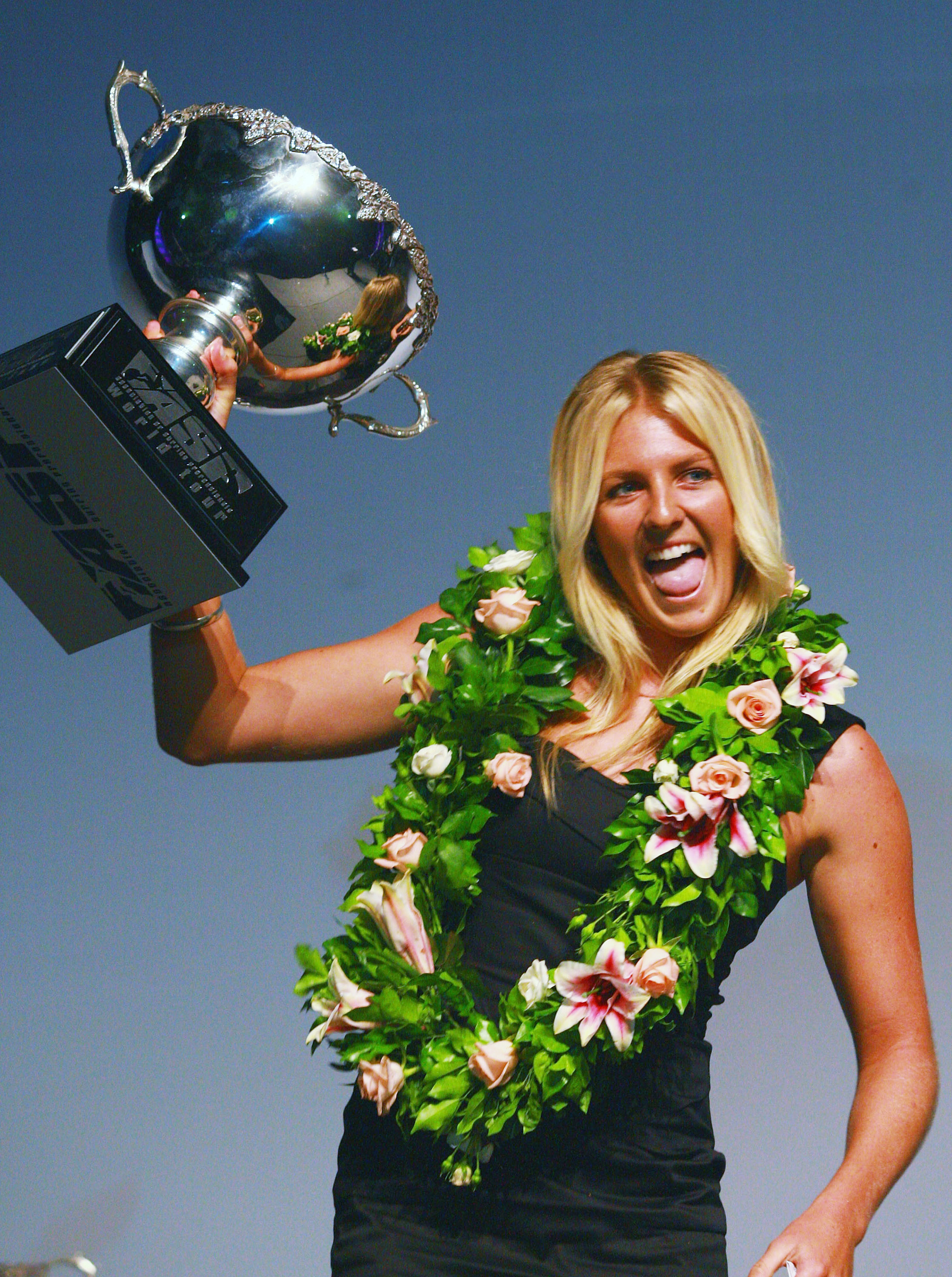
Before this reform, women typically received about half the prize money awarded to their male counterparts. Thanks to Gilmore’s advocacy, alongside the efforts of previous generations of female surfers, women’s surfing has transitioned from being perceived as a “side-show” to the men’s events to being recognised on an equal footing. “In the past, it was always about putting the women in less quality waves, but, now we’re really sharing this great quality surf, and the women’s performance is really raised because of it,” she observed.
Inspiring the Next Generation
In line with her commitment to empowering young women, Gilmore collaborated with Mattel to create a Barbie doll in her likeness. Her hope is that this iconic representation will inspire girls to explore and embrace the world of sports. “I really believe in the power of sport for young women,” she said. “It’s so good to encourage women to get into sports and activities so yeah, it’s a great message to be a part of.”
Gilmore joins an impressive roster of Barbie Role Models this year, including tennis legend Serena Williams, research astronaut Kelly Girardi, and footballer Chloe Kelly. Her eagerly anticipated return to competitive surfing is set for the Rip Curl Pro Bells Beach on April 1st.


