Iranian Women’s Football Team’s Alleged SOS Signals Amidst Defiance
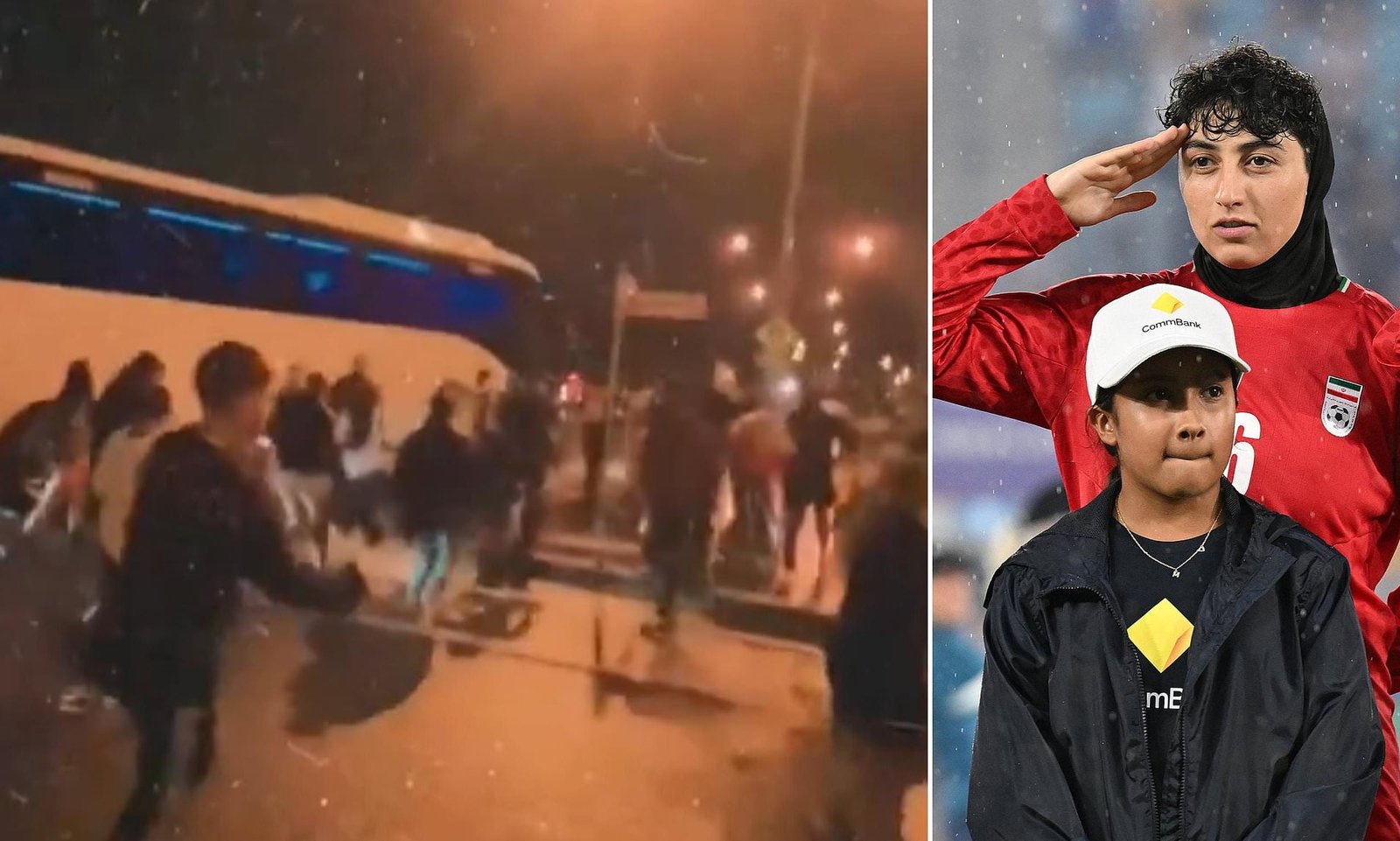
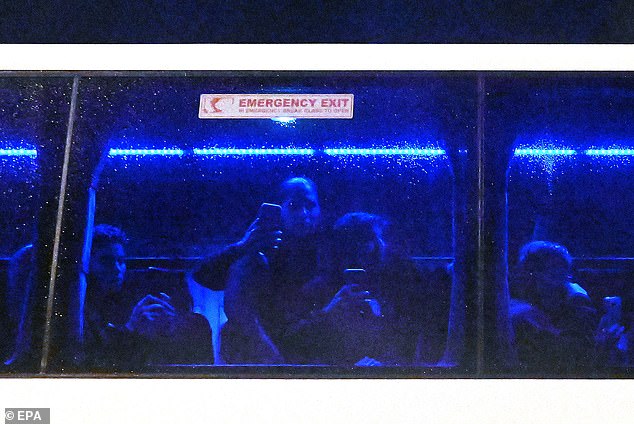
Reports are circulating on social media suggesting members of the Iranian women’s national football team made “SOS” hand signals as they departed Australia, following a controversial refusal to sing their national anthem. The team, who have been labelled “traitors” by state media in their home country, were reportedly seen making the international distress signal from their team bus as they left their final match.
The gesture, described as an open palm with the thumb crossed over and the fingers folded down, is a recognised sign of distress and a plea for help. One widely shared post on X (formerly Twitter) stated: “The Iranian women’s Football team have been branded ‘traitors’ by the Islamic Regime and the regime has stated on National TV they will receive ‘severe punishment’ when they return. Out the windows they used sign-language signing ‘HELP’ They must be saved.”
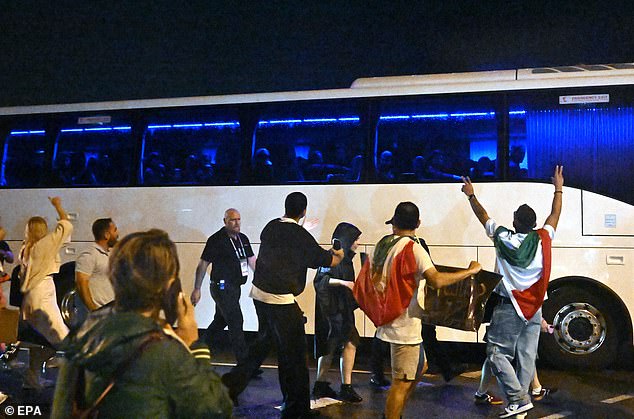
Videos have emerged online purportedly showing supporters, many waving traditional Lion and Sun flags, running alongside the team bus, shouting calls for the women’s safety and freedom, with chants like “save our girls” and “let them go” being heard.
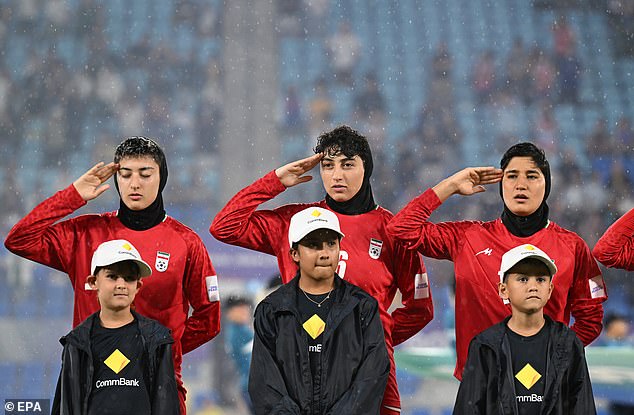
This alleged display of distress follows a moment of defiance earlier in the week. The team remained silent during the playing of Iran’s national anthem prior to their match against South Korea. This act of silent protest appears to have triggered a strong reaction from Iranian state officials.
Mohammad Reza Shahbazi, a television presenter known for his vocal support of the regime, publicly called for the team to be labelled “traitors.” According to translations of his statements on X, he asserted: “Let me just say one thing: traitors during wartime must be dealt with more severely.”
Following these pronouncements, the women’s team subsequently sang the anthem before their 4-0 loss to Australia, leading some to describe them as being held “hostage” to the regime’s demands.
However, fans present at the Asian Cup have rallied in support of the Iranian players. The team also sang the anthem before their subsequent 2-0 defeat to the Philippines on Sunday.
The initial refusal to sing the anthem occurred just two days after the death of Supreme Leader Ali Khamenei, who had been at the helm of Iran for over four decades.
In his condemnation of the team’s protest, presenter Shahbazi further elaborated on his stance, stating: “Anyone who takes a step against the country under war conditions must be dealt with more severely. Like this matter of our women’s football team not singing the national anthem, and that photo that was published and so on, which I won’t get into. Both the public and the authorities must treat these individuals as ‘wartime traitors.’ It should not be viewed merely as an objection or a symbolic gesture. The stain of dishonour and treason must remain on their foreheads, and they must face a definitive and severe confrontation.”
Calls for Intervention and Protection
In light of these events, advocacy groups are urging Australian officials to engage with the Iranian women’s soccer team to ensure their safety. Community organisations have reportedly penned letters to Home Affairs Minister Tony Burke, imploring his intervention on behalf of the players.
The team is currently residing at the Royal Pines resort on the Gold Coast and is expected to depart Australia later this week.
Rana Dadpour, the founder of the women’s rights organisation AUSIRAN, has expressed grave concerns about the potential repercussions for the team members upon their return to Iran. She warned that they could face severe penalties, including execution.
“We need to talk with these girls away from the handlers and the regime-affiliated people who are following them right now in Australia,” Ms Dadpour stated. “If they want to stay, I think we need to provide them with every support that we can.”
While government officials have been hesitant to publicly comment on the team’s situation, fearing that increased attention could endanger the players and their families, Ms Dadpour highlighted the efficacy of international pressure on the Iranian regime. “We’ve had many cases of execution orders that have been previously delayed or stopped only because of the international pressure and media attention,” she noted.
Regional Tensions and Leadership Change
The events surrounding the Iranian women’s football team unfold against a backdrop of escalating regional tensions. Since a recent conflict began on February 28th, an estimated 1,850 individuals have reportedly lost their lives across Iran, Lebanon, Sri Lanka, Israel, Kuwait, Syria, the UAE, Oman, and Bahrain.
Iran has also seen a significant leadership transition, with Ali Khamenei’s son, Mojtaba Khamenei, reportedly being appointed as the new Supreme Leader. Mojtaba, aged 56, is the second eldest son of the former leader and is understood to have strong ties to the Iranian Revolutionary Guard Corps (IRGC). According to Iranian opposition outlet Iran International, his selection by Iran’s Assembly of Experts was made “under pressure from the Revolutionary Guards.” Notably, Mojtaba Khamenei is not a high-ranking cleric, has no prior governmental office, and holds no official position within the current regime structure.
These developments coincide with Iran’s recent launch of ballistic missiles and drones targeting the UAE and Israel. This action is reported as retaliation for an overnight bombardment that resulted in significant damage in Tehran. Explosions were reported over Tel Aviv, and missile warnings were issued in the UAE, following an Israeli attack on oil depots that caused a “river of fire” to engulf Iran’s capital. At least six people were injured in Israel as a result of the Iranian barrage, with one sustaining serious injuries.