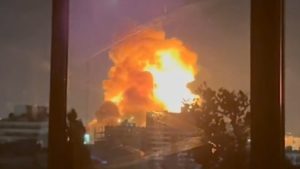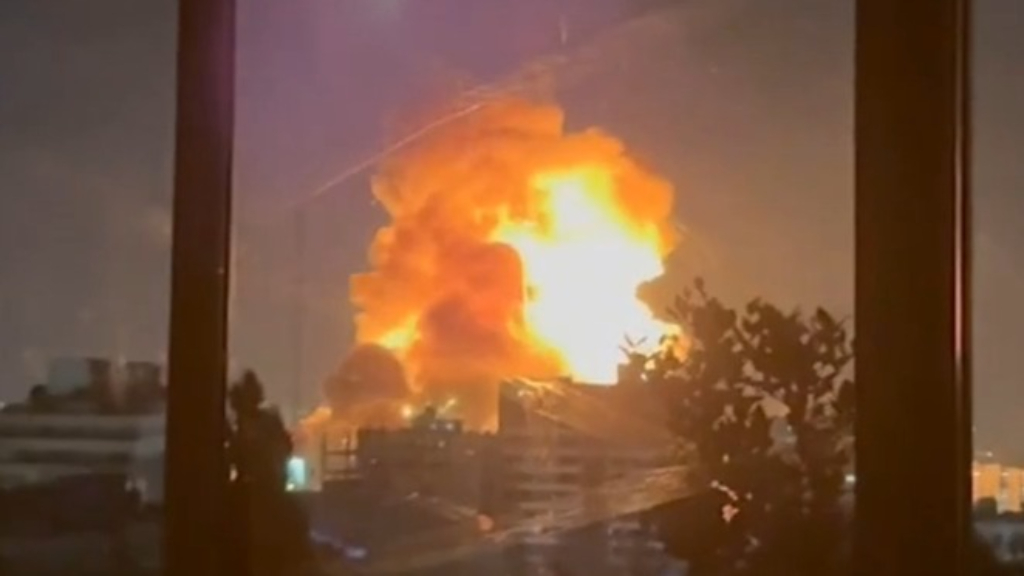
Tehran’s night sky has once again been illuminated by the destructive glow of explosions, as the Iranian capital endures a relentless barrage of strikes attributed to the United States and Israel. A significant attack on an oil refinery on the outskirts of the city sent a colossal fireball soaring into the heavens, casting an ominous light visible for miles around.
This incident was not isolated. Over the weekend, several key oil storage facilities and refineries across Tehran became targets. The sheer scale of the conflagrations resulted in immense plumes of black smoke and ash billowing into the atmosphere, creating a stark and disturbing spectacle for the city’s residents. The aftermath of these fires has also led to a rare and concerning meteorological event: black rain, often referred to as “acid rain,” began to fall over parts of the capital, a grim indicator of the toxic byproducts released into the environment.
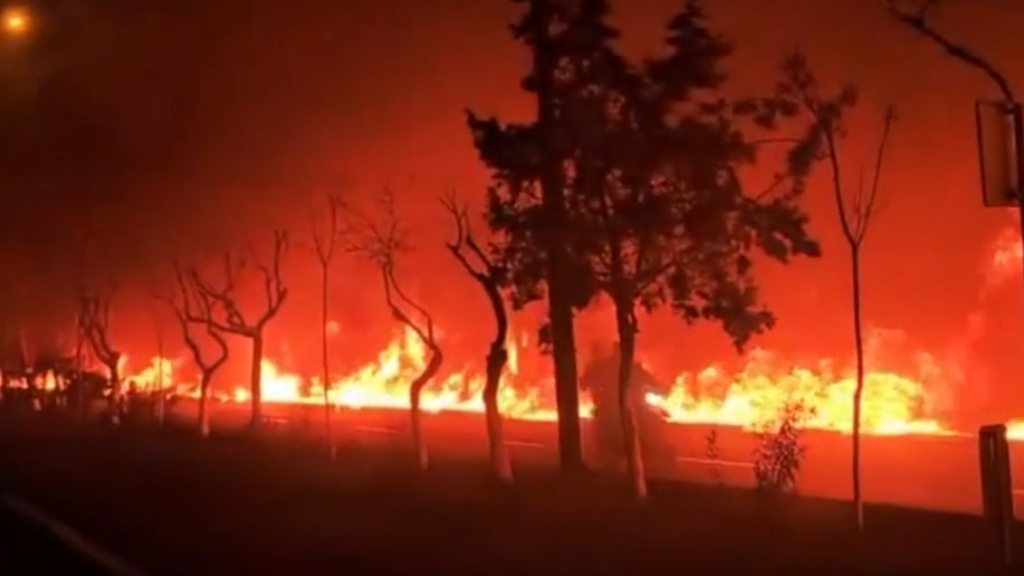
As the conflict enters its second week, the intensity of the bombardment shows no signs of abating. The Israeli Defence Force (IDF) has claimed responsibility for a significant strike that reportedly obliterated the headquarters of the Iranian Revolutionary Guard Air Force in Tehran. According to IDF spokesman Brigadier-General Effie Defrin, this crucial facility was instrumental in operating the country’s ballistic missile command, its unmanned aerial vehicle (UAV) array, and various other air force units. Defrin further stated that an extensive operation on Sunday alone saw approximately 140 targets hit.
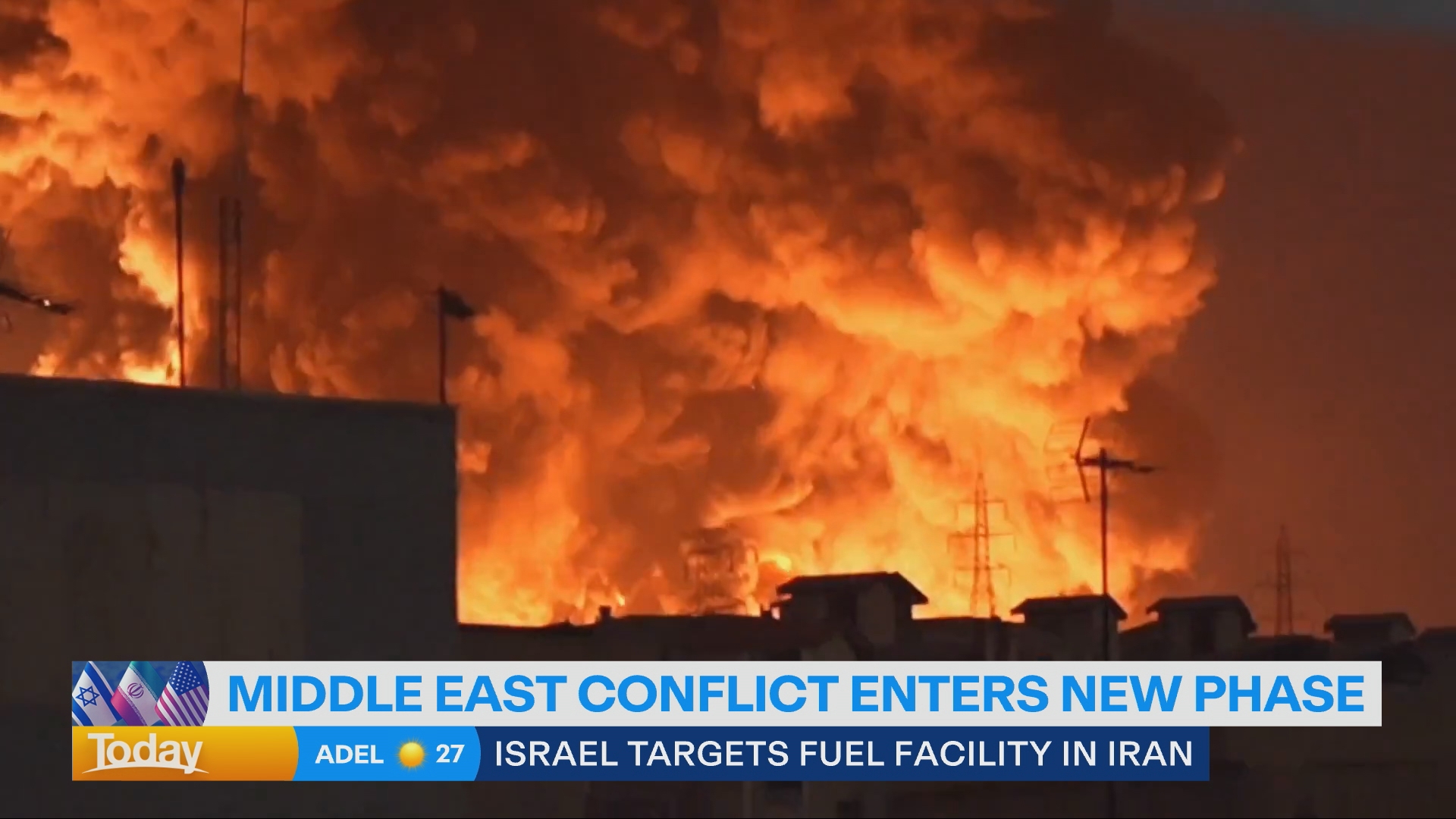
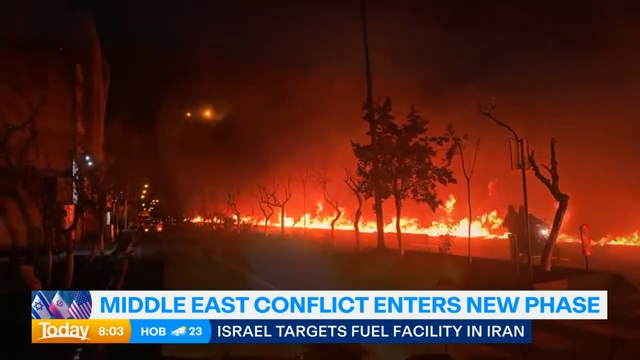
The fires continue to rage into the night, casting long shadows over the beleaguered city.
The impact of US strikes has also been severe. Reports indicate that a naval vessel was struck, resulting in a tragic loss of life. According to semi-official Iranian sources, the warship, identified as the IRS Dena, was sunk last week, with an estimated 104 personnel killed and an additional 32 injured in the attack.
The human cost of this escalating conflict is mounting. The US-based Human Rights Activist News Agency has released figures suggesting that over 1200 civilians have lost their lives since the hostilities commenced last Saturday. This grim tally includes a particularly heartbreaking number of 194 children.
Key Developments and Impacts:
- Targeted Infrastructure: Oil refineries and storage facilities have been repeatedly struck, leading to significant fires and environmental concerns, including the phenomenon of black rain.
- Military Headquarters Destroyed: The IDF claims to have successfully targeted and destroyed the Iranian Revolutionary Guard Air Force Headquarters, a facility crucial for ballistic missile and UAV operations.
- Naval Losses: A US strike reportedly resulted in the sinking of the Iranian warship IRS Dena, with a substantial number of casualties.
- Civilian Casualties: The conflict has resulted in a tragic loss of civilian life, with estimates exceeding 1200 deaths, including nearly 200 children.
The ongoing aerial assaults underscore the escalating tensions in the region, with both civilian infrastructure and military assets bearing the brunt of the hostilities. The long-term consequences of these strikes, both in terms of human lives and environmental damage, are expected to be profound and far-reaching. The international community continues to monitor the situation with grave concern as the conflict unfolds.