
Understanding the Problem: The Persistence of Onion Weed
Onion weed is a persistent and invasive plant that can be a real nuisance for gardeners, especially during the colder months. As winter sets in, it seems to find every crack and bare spot in your garden to make its presence known. Long leaf blades emerge from the ground, often mistaken for early signs of daffodils, but they are actually the unwelcome invaders known as onion weed. This tenacious weed has the ability to return year after year if not properly addressed, making it a challenge for even the most dedicated gardeners.
In many regions of Australia, including New South Wales, Western Australia, Victoria, South Australia, and Tasmania, onion weed is classified as a noxious weed. It thrives in disturbed soil and can spread rapidly through both seeds and bulbils. Understanding how it spreads is crucial for developing effective strategies to combat it.
Effective Methods for Removing Onion Weed
1. Chemical Treatment
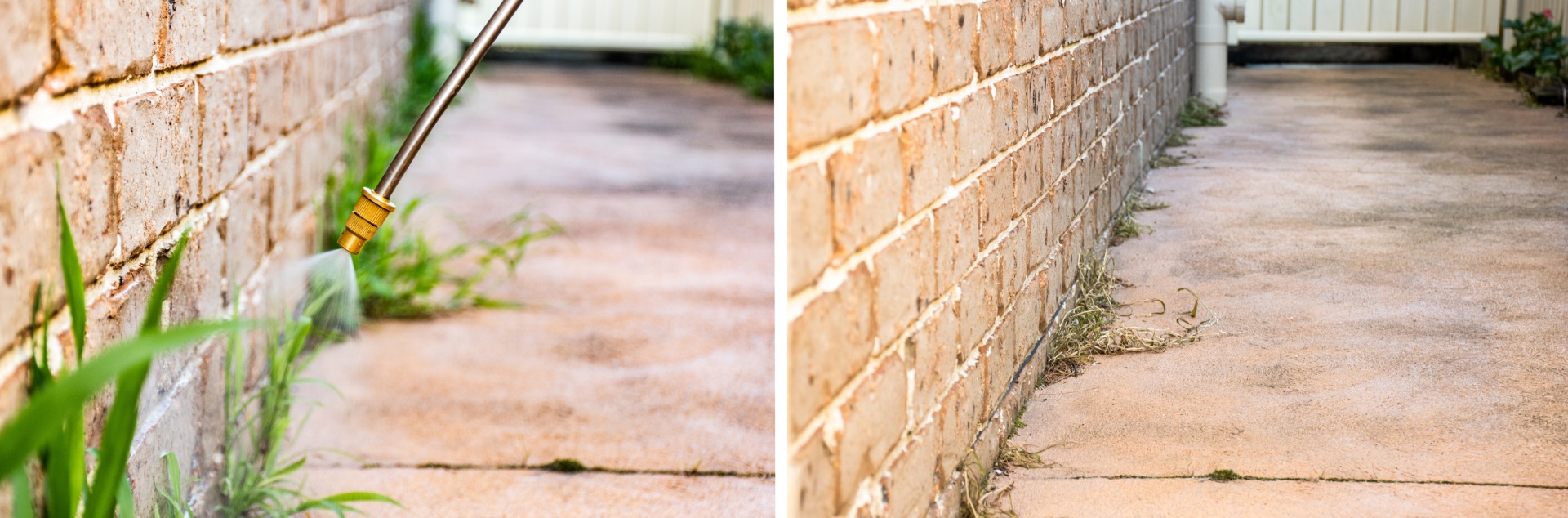
The quickest and most effective way to eliminate onion weed is by using a glyphosate-based weed killer. This method involves coating the leaves of the weed with the solution, which targets the plant directly without harming surrounding vegetation. However, it’s essential to apply this carefully, using a wand or brush to avoid any unintended damage.
Another technique involves the “gloves of death” approach, where a gardener dips their fingers into a glyphosate solution and wipes the leaves of the weed. This method is particularly useful when dealing with weeds growing through cracks in paving or brick walls, where there are no other plants nearby.
WARNING: Always wear protective gear, including gloves, long-sleeved clothing, and eye protection when handling glyphosate. Any splashes on the skin or eyes can cause irritation.
2. Smothering the Weeds
Smothering is another viable option, especially if you’re willing to sacrifice some of your existing plants. Using flattened wine cartons or other cardboard materials can block sunlight and prevent photosynthesis, eventually leading to the death of the weed. However, this process can take several months as the bulbs store energy and continue to grow until this energy is depleted.
It’s important to note that plastic should not be used for smothering, as it can lead to solarisation. While this method also stops photosynthesis, the heat generated can harm beneficial soil microorganisms, which may take time to recover.
3. Mowing Regularly
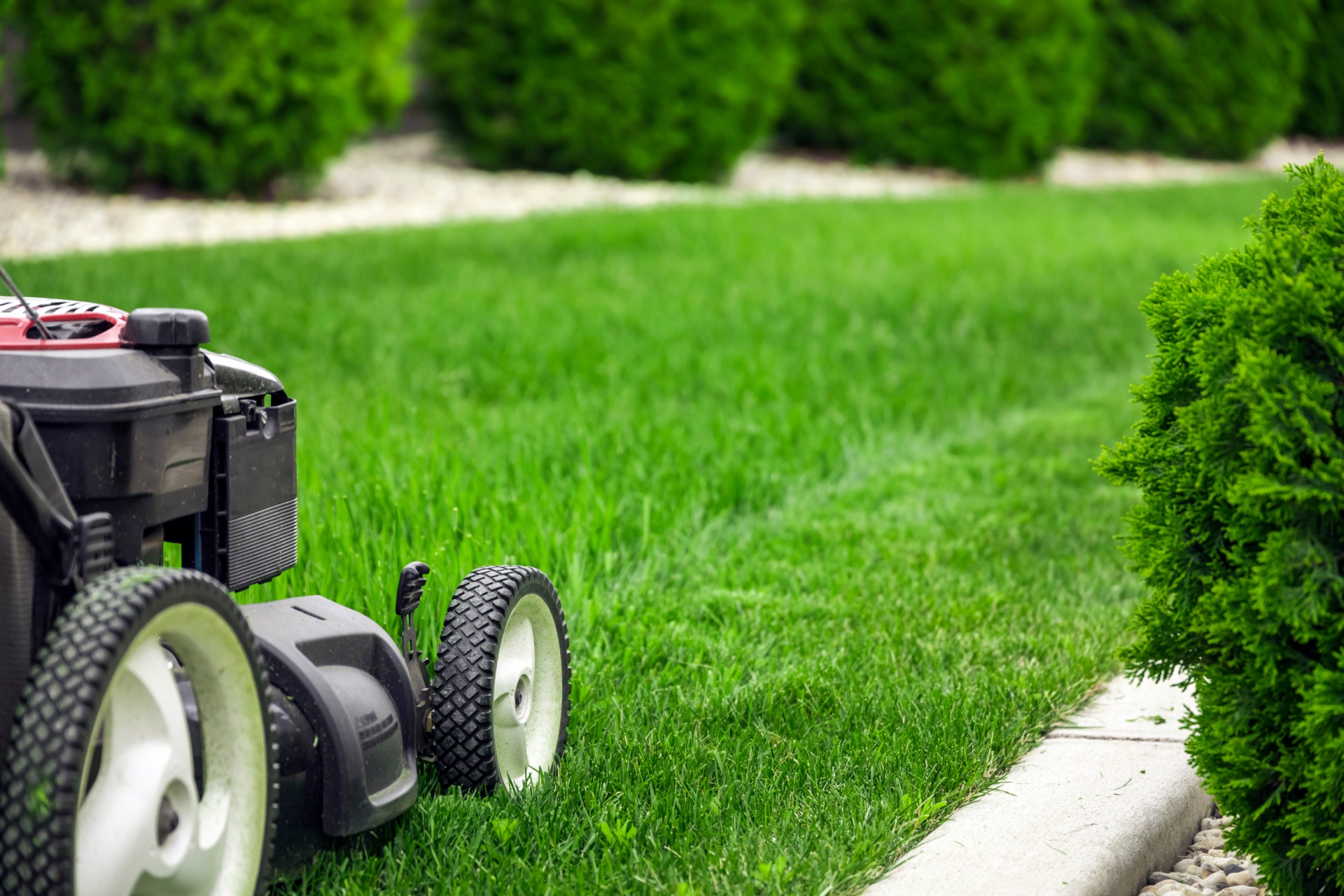
Regular mowing can help control onion weed by removing the leaves and draining the bulbs of their energy. This method is particularly effective if you’re willing to put in the extra effort during the winter months when the lawn is dormant. However, it requires consistent maintenance to keep the weed under control.
4. Hand Weeding
Hand weeding is the most environmentally friendly approach, although it is time-consuming. This method involves pulling up the leaves as they emerge, which can sometimes include the bulb if they are young and near the surface. Over time, this process depletes the energy stored in the bulbs, eventually leading to the death of the weed.
5. Using Weed Mats
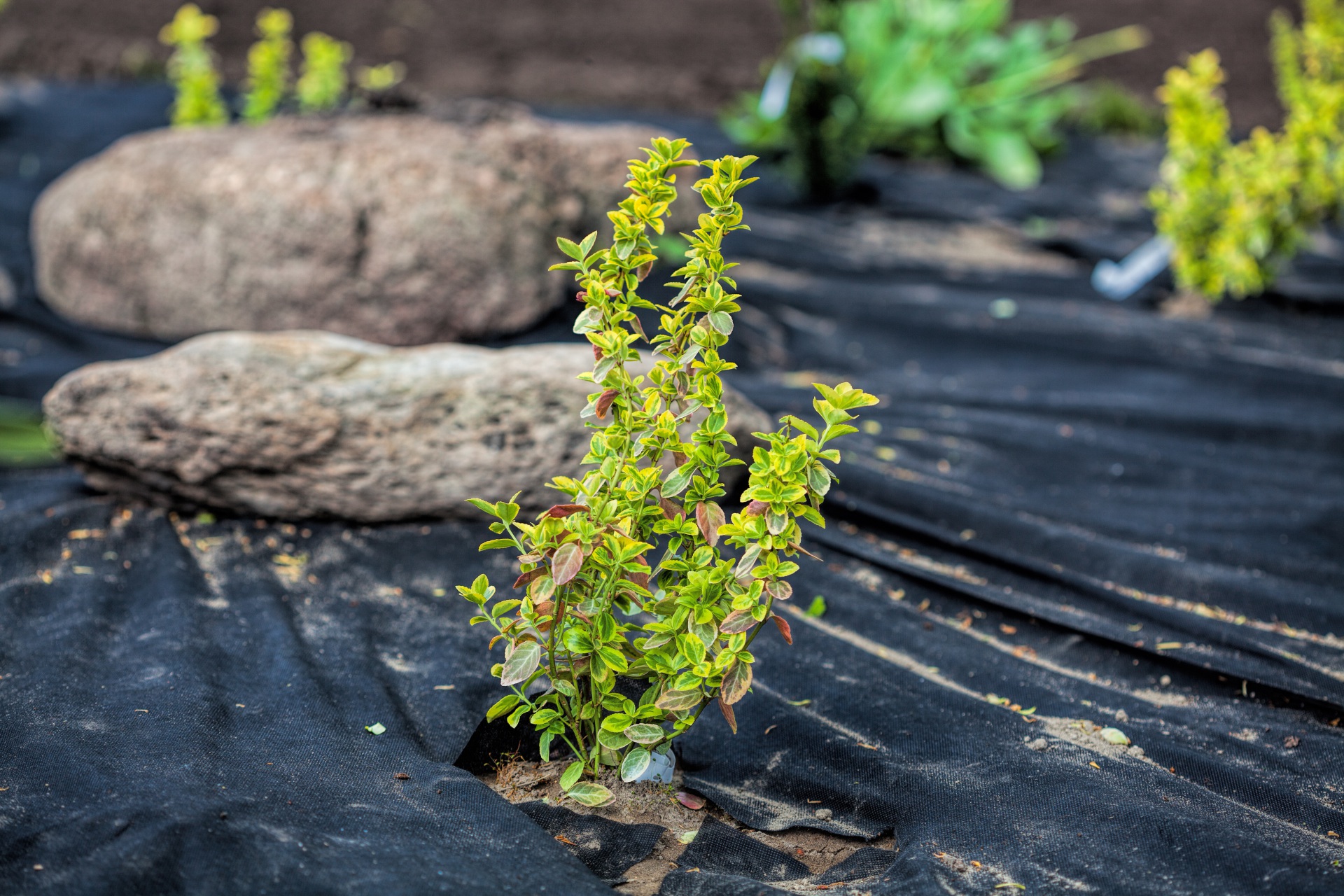
Weed mats can be an effective tool for blocking sunlight and preventing weed growth. They allow moisture to reach the roots of your ornamental plants while keeping weeds at bay. However, onion weed is particularly resilient and may eventually push through the mat, making this method less effective in the long term.
6. Digging Out the Bulbs
Digging out the bulbs is a labor-intensive method that requires careful attention to detail. While it can remove visible bulbs, the process may inadvertently break off tiny bulbils, which can regrow and cause the problem to return. Any bulbs removed should be wrapped in plastic and disposed of in the rubbish bin, not in compost.
By understanding the different methods available, gardeners can develop a comprehensive strategy to combat onion weed effectively. Each method has its advantages and disadvantages, and the best approach often depends on the specific conditions of the garden. With persistence and the right techniques, it is possible to reclaim your garden from this persistent invader.


