


The prolonged runtime of Avatar: Fire and Ash might leave some viewers feeling the pinch, proving that not every film needs to stretch beyond the three-hour mark. While the movie maintains a surprisingly brisk pace and is, as expected, a visual masterpiece, the physical discomfort at the three-hour juncture became undeniable. This suggests that James Cameron’s latest foray into Pandora, arriving three years after Avatar: The Way of Water, didn’t quite sustain its enchantment throughout, a point of disappointment for many.
Back in 2022, The Way of Water arrived 13 years after the original, leading many to believe the world had moved on from Cameron’s iconic blue, nine-foot-tall, three-fingered aliens. However, the expanded exploration of Pandora, its Na’vi inhabitants, and innovative storylines proved many wrong. Unfortunately, Fire and Ash fails to recapture that same sense of narrative reinvigoration or reach those earlier storytelling heights. Some sections of the screenplay feel derivative, raising questions about its box office performance, especially when compared to the record-breaking combined earnings of its predecessors, which exceeded $5.2 billion globally.
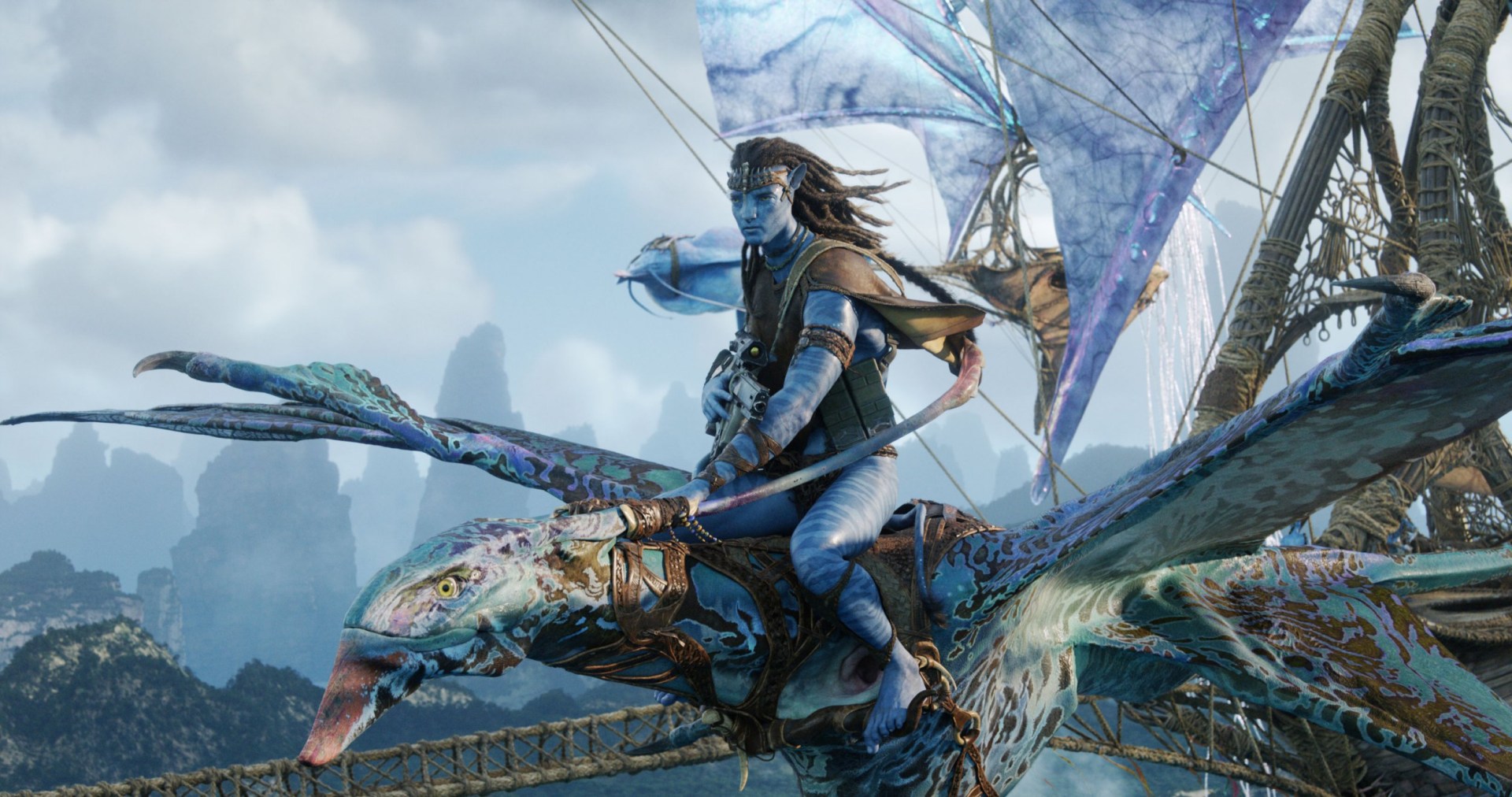
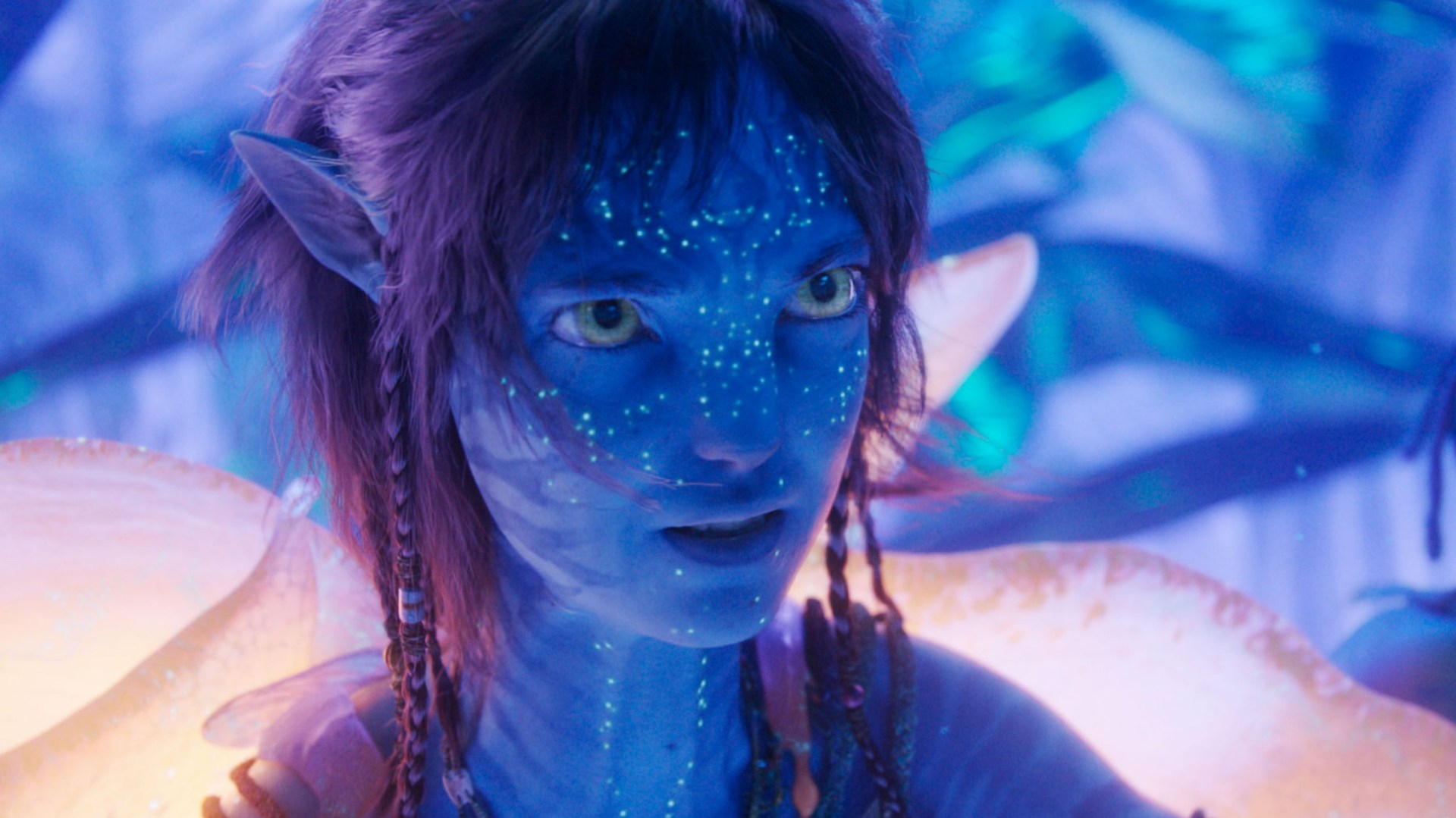
The narrative picks up a year after the devastating loss of Neteyam, the Sully family’s son and brother, during the climactic battle in The Way of Water. The conflict against the resource-hungry RDA, intent on mining Pandora for Unobtanium, continues to rage. In Fire and Ash, the focus begins to shift towards the second generation of Sullys. Lo’ak, voiced by Britain Dalton, takes on an occasional narrator role as he navigates his grief and guilt over his older brother’s death.
The Sully Family’s Continued Struggle
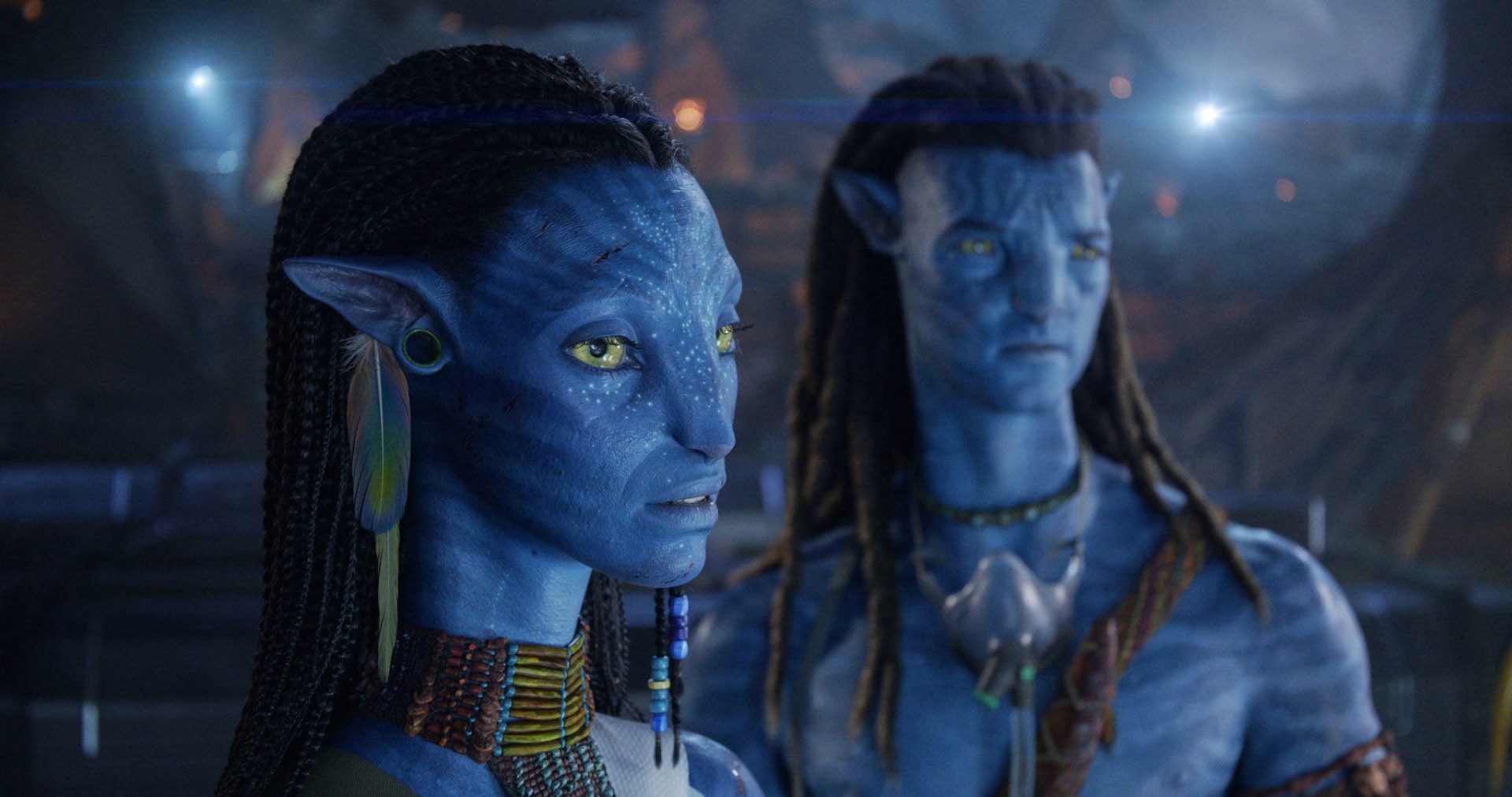
Lo’ak yearns to support his parents, Jake and Neytiri (portrayed with unwavering commitment by Sam Worthington and Zoe Saldaña), on the front lines of the battle to protect Pandora and their adopted home with the Metkayina clan. However, he also bears the responsibility of looking after his sisters, Kiri and Tuk (Sigourney Weaver and Trinity Jo-Li Bliss, respectively), and his adopted human brother, Spider (Jake Champion).
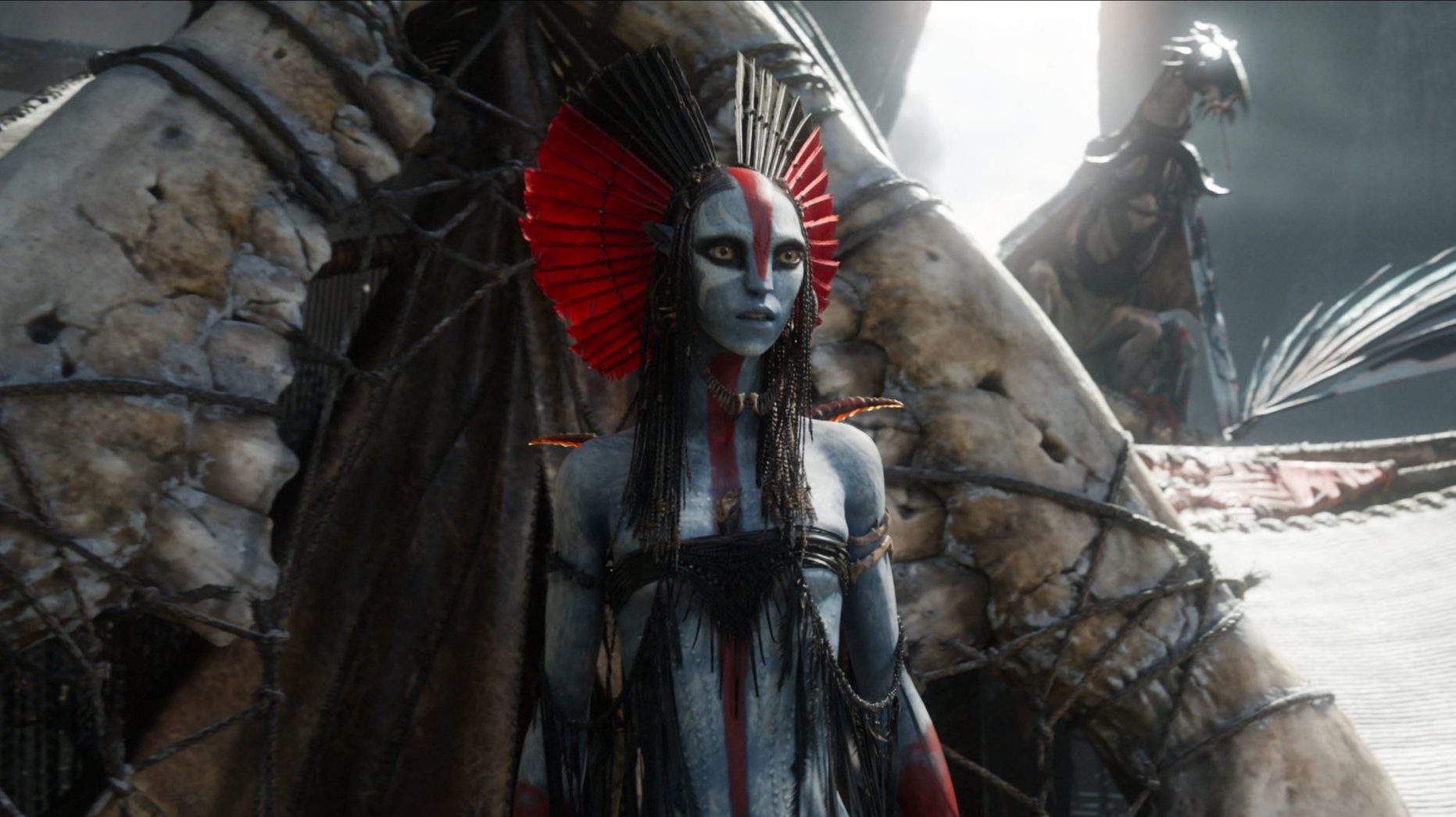
The stakes escalate significantly as a new, formidable Na’vi tribe, the Mangkwan clan, forms an alliance with Jake’s old adversary, Colonel Quaritch (Stephen Lang).
Avatar: Fire and Ash: Key Production and Cast Details
- Director: James Cameron
- Writers: James Cameron, Rick Jaffa, Amanda Silver
- Principal Cast: Sam Worthington, Zoe Saldaña, Oona Chaplin, Sigourney Weaver, Stephen Lang, Kate Winslet, David Thewlis, Jack Champion, Britain Dalton, Trinity Jo-Li Bliss, Giovanni Ribisi, Edie Falco.
- Age Rating: 12A
- Runtime: 3 hours and 17 minutes
- Release Date: In cinemas from Friday, December 19.
A Standout Performance Amidst Familiar Tropes
Oona Chaplin shines as Varang, the Mangkwan clan leader, commanding the screen with her palpable, simmering rage. Her portrayal disrupts the typically harmonious inter-clan relations among the Na’vi, injecting a welcome dose of unpredictable energy into the narrative. This standout performance helps to somewhat mitigate the repetitive plot elements, particularly the familiar back-and-forth between the RDA and the Sullys, which mirrors The Way of Water. Both Jake and Spider, Quaritch’s biological son, once again find themselves as primary targets, leading up to another grand, climactic battle.
Concerns Over Audience Fatigue and Franchise Future
With these narrative digressions and a perceived sense of holding back, Avatar: Fire and Ash might be the film that causes a significant portion of the wider audience to disengage. The movie feels very much like a transitional piece, a bridge film designed to set the stage for even grander narratives in the anticipated Avatar 4 and 5.
However, the realization of these future installments hinges on the financial success of Fire and Ash. Cameron himself has cautioned that the film needs to perform exceptionally well at the box office to secure the green light for the remaining sequels. It’s a regrettable prospect if the franchise’s trajectory is to be dictated by such considerations.

Visual Spectacle Remains Unparalleled
Despite these narrative concerns, it must be emphatically stated that Avatar: Fire and Ash is, visually, an absolute triumph. The rendering of the water, the intricate detail of the Na’vi skin textures, and the nuanced facial expressions are breathtaking. The subtle emotional shifts reflected in the Na’vi’s faces, which increasingly capture the subtle nuances of the actors’ real-life performances, are a testament to the ground-breaking visual effects work. This level of tireless, pioneering effort in VFX could easily be taken for granted, as no other film currently operating in cinemas can rival its technical prowess.
In hindsight, Avatar: Fire and Ash could have benefited from a more rigorous editing process and still effectively delivered its plot points. However, gargantuan runtimes have historically not been a deterrent to James Cameron’s box office success.
Verdict
The latest chapter in the Avatar saga offers a slightly underwhelming experience when compared to its predecessors, particularly due to its perceived narrative repetition. Nevertheless, the franchise continues to deliver a level of cinematic spectacle unmatched by any other. Avatar: Fire and Ash is now playing in cinemas.