

Sheffield Shield Final: The DRS Debate Ignites After Tense Showdown
The recent Sheffield Shield final, a nail-biting contest that saw South Australia clinch victory over Victoria, has reignited calls for the implementation of the Decision Review System (DRS) in Australia’s premier domestic cricket competition. While Victoria’s coach, Chris Rogers, stopped short of directly attributing the loss to contentious umpiring decisions, he firmly believes the Sheffield Shield, often touted as the “sixth Test match,” deserves the same technological advancements afforded to international cricket.
Rogers articulated his stance, stating that if the Sheffield Shield is to be marketed and treated with the gravvy of a Test series, then the inclusion of DRS, alongside third and fourth umpires, becomes a logical and necessary step. “Absolutely, I think if you’re going to kind of sell this as the sixth Test match of the year, then I think that they should,” Rogers commented. He emphasized that while such systems work both ways, the ultimate goal is to ensure the integrity of the game and that the correct decisions are made, thereby giving the competition the value it deserves.
A Series of Close Calls
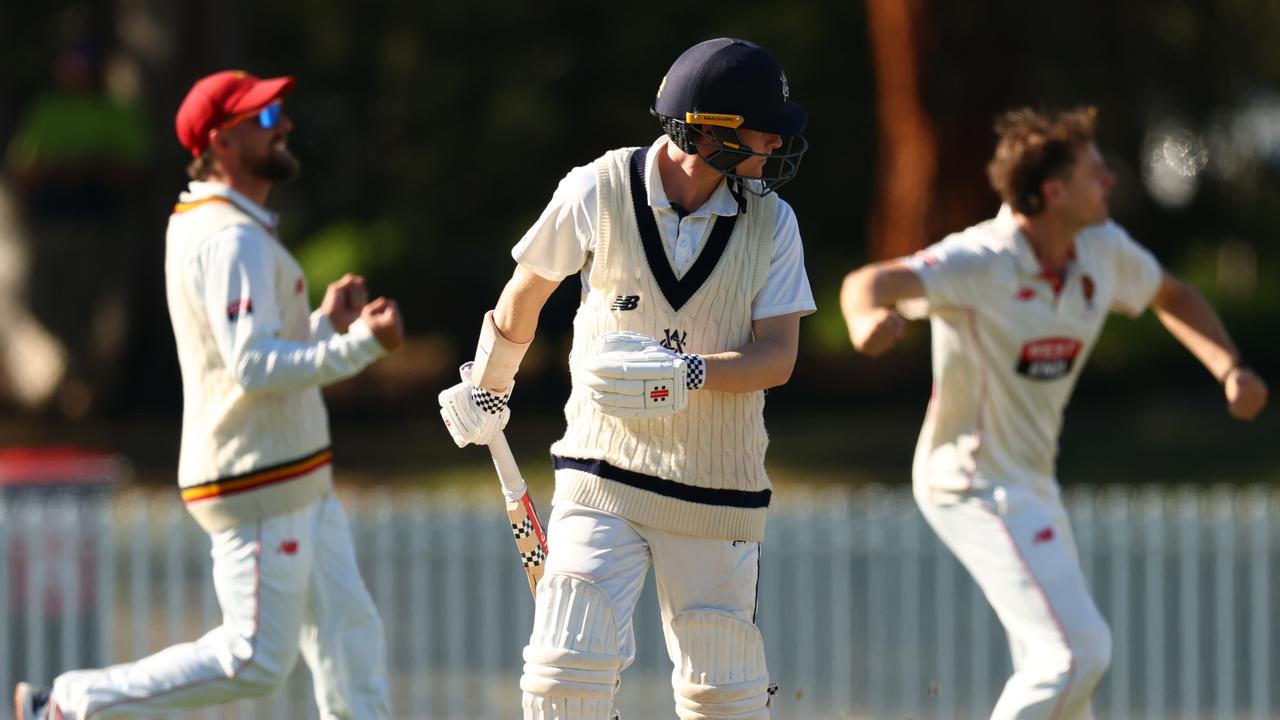
The five-day final was not without its share of debated decisions. Victoria found themselves on the wrong side of several crucial calls. Notably, Sam Elliott was controversially given out in the first innings, while Campbell Kellaway and Mitch Perry were left questioning their respective LBW dismissals. These incidents, while not explicitly blamed for the outcome by Rogers, undoubtedly added to the tension and discussion surrounding the match.
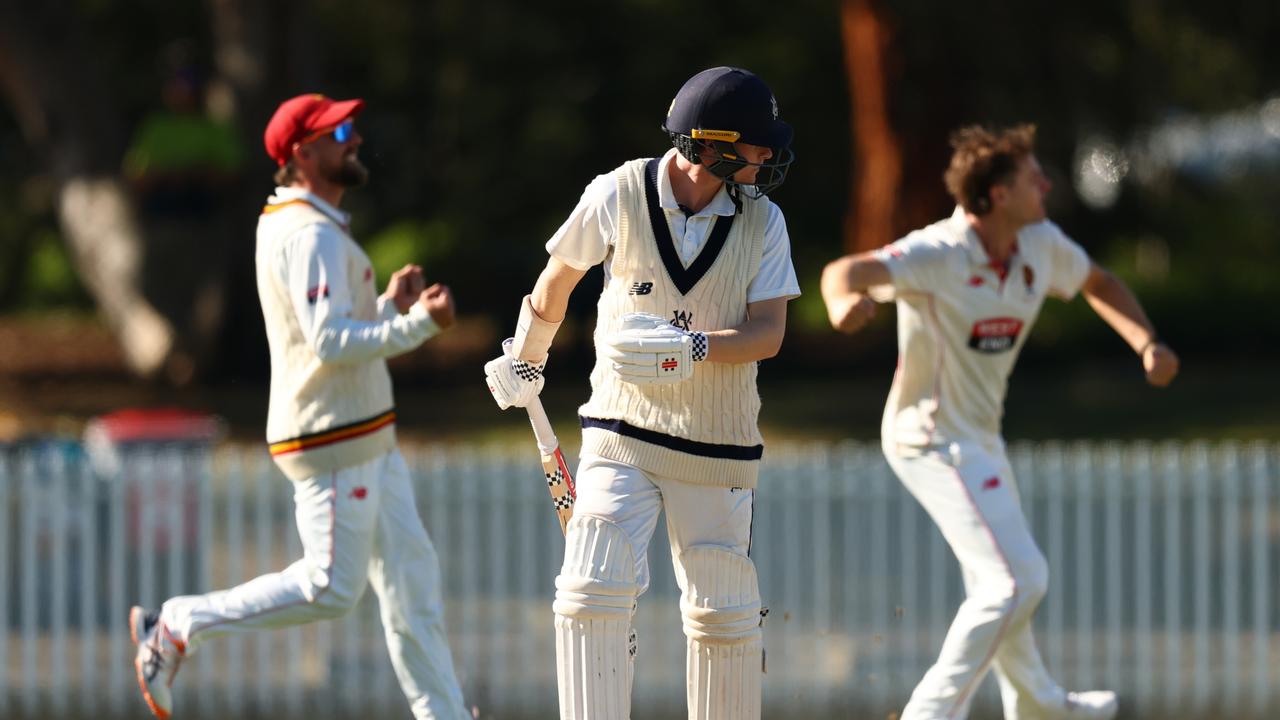
The uncertainty surrounding some decisions was palpable. One such instance involved Ollie Peake’s dismissal on day four, a wicket that fell within the first hour of play. Questions arose regarding whether Liam Scott’s front foot had indeed been behind the popping crease. Rogers acknowledged the difficulty in making such calls with the naked eye, particularly when camera angles are obstructed. He noted, “It’s hard to tell. I think the stationary camera was blocked by the cover fielder and then the moving camera. If it was the other way around and overturned I would’ve been furious.” However, he reiterated his commitment to a positive outlook, quoting former Collingwood coach Craig McRae: “I want to act like a winner, not a loser,” and stated he wouldn’t be complaining.
Captain’s Support for Technological Advancement
Victorian captain Will Sutherland echoed Rogers’ sentiments, highlighting how DRS could significantly reduce ambiguity and ensure fairer outcomes. Sutherland expressed his hope that Cricket Australia can allocate the necessary funds to introduce the system, stating, “It would be nice if they can find the funds for it, it takes a bit of uncertainty about it.” He pointed out that even seemingly straightforward decisions, such as contentious no-balls, could be clarified with the aid of technology. “There was a couple of dicey no balls in there as well, so you just make sure the right decisions are getting made. If that can happen, that would be handy,” Sutherland added.
The South Australian Triumph
Despite the discussions around umpiring, the final was ultimately decided by a stellar performance from South Australia, spearheaded by an exceptional century from Alex Carey. Carey’s masterful innings played a pivotal role in his side’s victory, turning the tide after Victoria had established an early first-innings lead. The Vics faltered on day four, losing their commanding position and ultimately their grip on the coveted Sheffield Shield trophy.
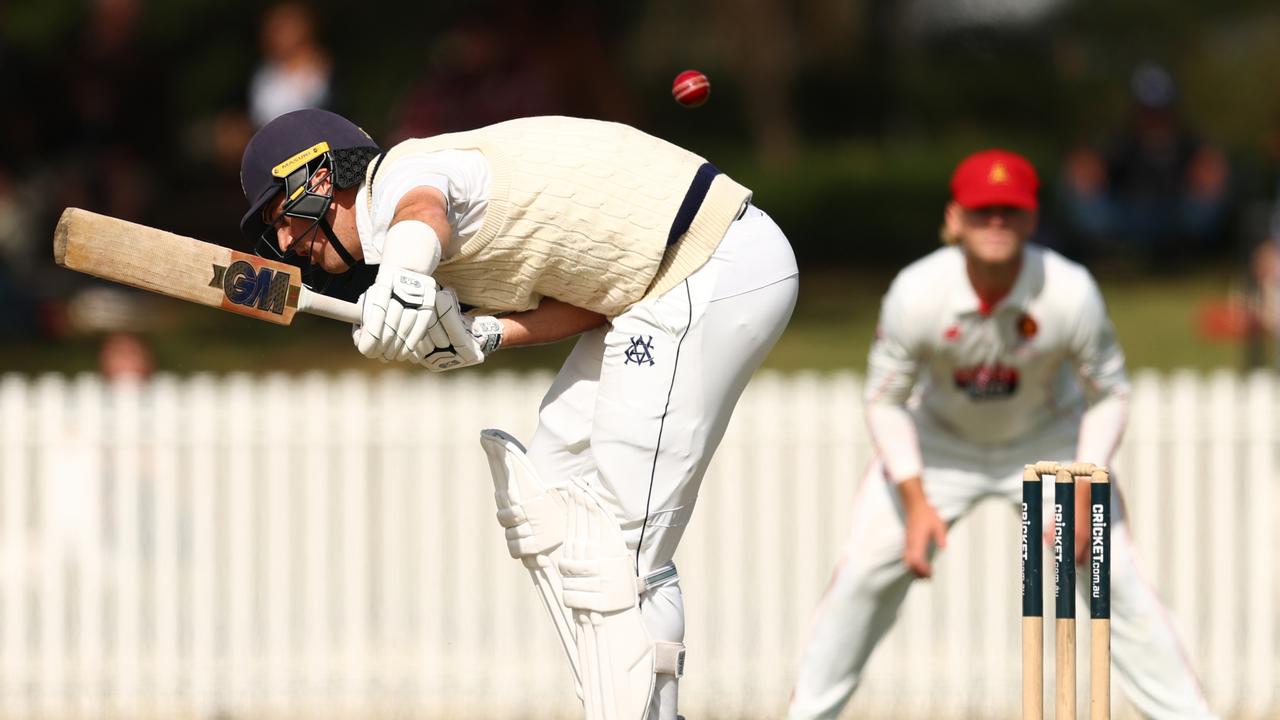
The debate over DRS in domestic cricket is likely to continue, with proponents arguing that it is essential for maintaining the integrity and fairness of Australia’s most prestigious first-class competition. As the game evolves, the expectation is that technological advancements will be embraced to ensure that every decision, no matter how small, is as accurate as possible, allowing the true merit of the players to shine through. The Sheffield Shield final has served as a stark reminder that even in the most fiercely contested matches, the pursuit of perfect officiating remains a critical element of the sport.