
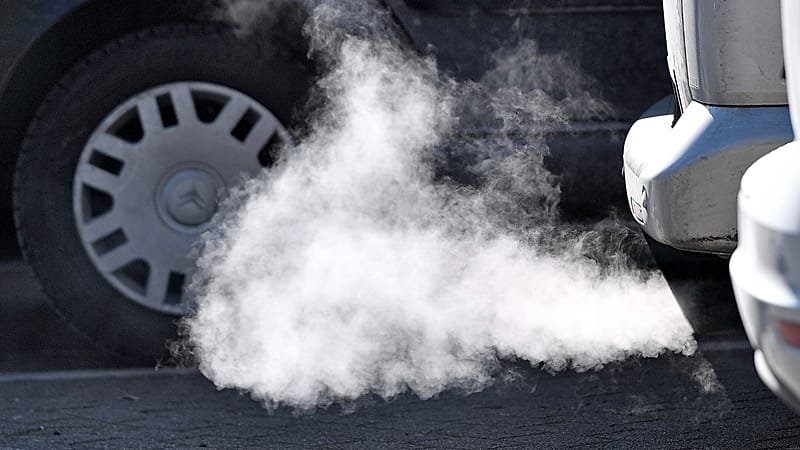
Several European Union (EU) member states are reportedly urging the European Commission to reconsider the ban on the sale of new petrol and diesel vehicles by 2035. These nations argue that the current policy could severely damage the EU’s automotive industry.
According to reports, at least seven countries – Bulgaria, the Czech Republic, Germany, Hungary, Italy, Poland, and Slovakia – have voiced their concerns in letters to the European Commission. They emphasize the “imperative” need for the Commission to consider allowing the sale of hybrid vehicles beyond 2035 as part of its upcoming legislative review.
While acknowledging the importance of reducing CO2 emissions, these nations advocate for a technology-neutral approach within EU legislation. This approach would grant individual member states the flexibility to determine the most effective methods for maintaining competitiveness while simultaneously reducing emissions.
Alternative Technologies Proposed
The signatories are promoting the exploration of alternative technologies like hybrid electric vehicles, hydrogen-powered cars, and biofuel-powered cars. Furthermore, they highlight the urgent need for expanded charging infrastructure for electric vehicles and more hydrogen refueling stations throughout the EU. They are calling on the Commission to take steps to improve the availability of these resources.
One of the letters, endorsed by all EU countries except Germany, suggests that the Commission should prioritize “good practices, tax incentives, and support programs” and adopt a technology-neutral stance when promoting the transition to low- and zero-emission vehicles.
These seven nations, representing a significant portion of the EU population, have consistently opposed the 2035 ban on internal combustion engines (ICEs). They contend that their automotive manufacturers are grappling with challenges such as elevated energy prices, shortages of essential car components (including batteries), and insufficient consumer demand for electric vehicles (EVs).
“We aim to maintain the strategic independence of the European automotive industry,” states a separate letter signed by both Germany and Italy, underscoring the economic concerns driving their position.
The Automotive Industry’s Crisis
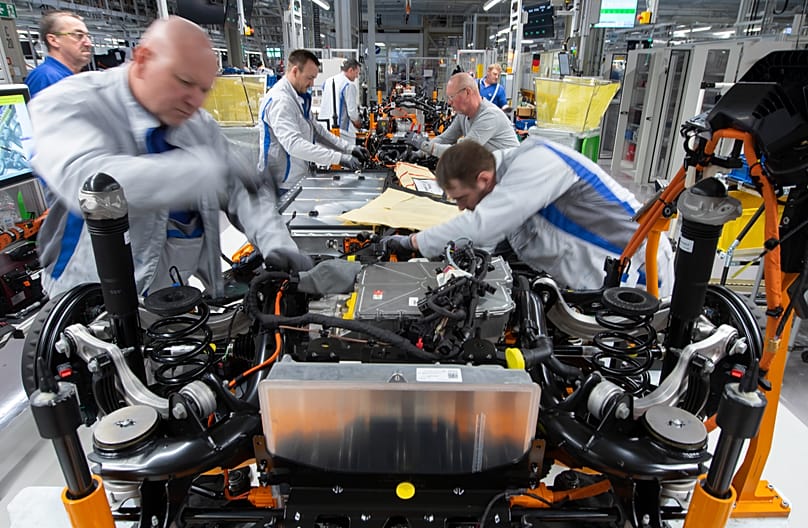
The European automotive market is facing increasing pressure, particularly with the rise of China as a major global exporter. The market has seen an influx of Chinese battery electric vehicle brands, such as BYD, while domestic European manufacturers have been comparatively slower in adopting battery EV technology.
Even Tesla, a leading player in the EV market, is encountering increased competition from Chinese automakers in Europe. Official data indicates that Tesla registrations have declined by over 50% in France and Sweden, and by 40% in Denmark, the Netherlands, and Portugal.
Germany, a traditional automotive powerhouse, is already feeling the impact of the EU law, adopted in March 2023, which mandates the cessation of new diesel and petrol car sales. The German government argues that the focus on producing clean vehicles and ensuring the sustainable use of car parts and materials is putting the country at a disadvantage in global competition.
Perspectives from the European Parliament and Industry
Jens Gieseke, a German Member of the European Parliament (MEP) serving on both the environment and industry committees, has defended his group’s opposition to the Commission’s proposed blanket ban on ICEs.
“We proposed to open up the legislation by recognising the role of CO2-neutral fuels, opening up a pathway for decarbonised ICEs to become part of the future technology mix,” Gieseke stated. “That way, a fair, open and market-based competition between different propulsion technologies would have been possible.”
Sigrid de Vries, Director General of the European Automobile Manufacturers’ Association (ACEA), an automotive lobby group, has argued that the 2035 target is “no longer realistic” due to insufficient infrastructure and grid upgrades.
“Today’s CO2 regulation focuses only on new vehicle supply, without doing enough to spark real demand, whether through infrastructure, total cost of ownership, or incentives, and without linking it with competitiveness and resilience,” de Vries explained.
The EU executive is expected to announce revisions to the CO2 standards for cars and vans. The potential for a delay in the proposal has also been suggested, leaving the future of the 2035 ban uncertain.