
Astronaut Jonny Kim Reflects on Space Mission, Korean Heritage, and Earthly Delights
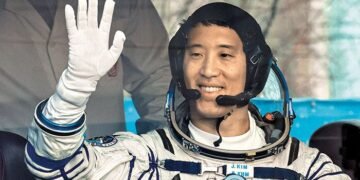
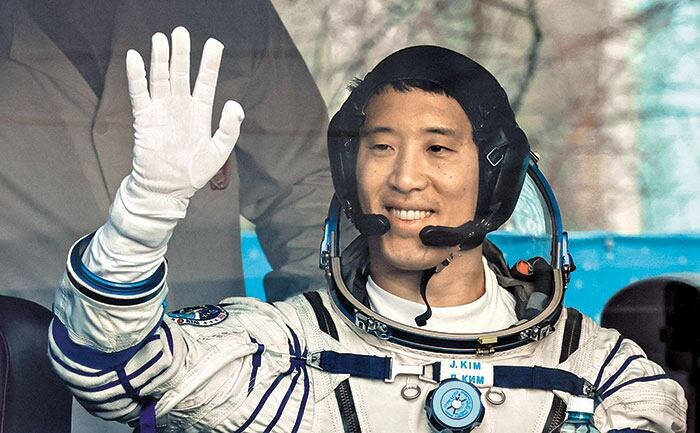
Astronaut Jonny Kim, a 41-year-old Korean-American with NASA, recently concluded an eight-month mission aboard the International Space Station (ISS). Upon his return to Earth on the 9th, Kim shared poignant reflections on his time in orbit, highlighting the profound impact of familiar tastes and his unique cultural identity.
During an online press conference held via NASA’s YouTube channel on the 21st, Kim responded to inquiries about his dietary experiences on the ISS. He expressed gratitude for the Thanksgiving provisions, including turkey, sent from the Johnson Space Center. However, the true highlight of his culinary experience in space was a personalized “care package” from his family.
“My family sent me foods like kimchi, rice, and seaweed,” Kim revealed. He elaborated on the emotional significance of these provisions: “Those foods were what I had always eaten while growing up, but I could rarely access them in space. It was great to at least taste the flavors I had at home.” Earlier, Kim had already captured attention by sharing a post on his Instagram account, showcasing him and fellow astronauts preparing food with Hetbahn (a Korean instant rice product) and kimchi for Thanksgiving on the ISS.
The Influence of a Bicultural Identity
Beyond the realm of food, Kim spoke candidly about how his Korean-American heritage has shaped his personal journey and professional outlook. “It definitely helped shape who I am today,” he stated. Kim emphasized the development of his empathetic abilities, a trait he attributes to his upbringing as a first- or second-generation American with immigrant parents.
He described a period of internal struggle, feeling caught between two cultures: “There was a period when I struggled to establish my identity, feeling neither fully Korean nor fully American. It was really tough, but through those experiences, I gained a deep understanding and empathy for others.” This bicultural upbringing, he believes, has had a significant and lasting impact on his character and his approach to life and work.
A New Era for South Korean Space Exploration
Kim also expressed enthusiasm for the recent establishment of the Korea AeroSpace Administration (KASA). “I know that the Korea AeroSpace Administration (KASA) has just been launched. I am really proud and excited about it,” he remarked. He views this development as a positive step, underscoring the broader benefits of international collaboration in space exploration, particularly in conjunction with NASA’s leadership.
Beyond the Stars: A Mission of Service
When discussing his motivations for pursuing a career as an astronaut, Kim revealed that his primary drive was not necessarily the allure of space travel itself. “My main motivation for becoming an astronaut was not actually going to space,” he explained. While acknowledging that spaceflight is an integral part of the job, his deeper aspiration lay in contributing to scientific exploration through the public service platform offered by NASA.
Kim expressed openness to future space missions, stating, “I would like to go to space again, but I don’t feel it’s something I must do.” His current focus, he elaborated, is on maximizing the potential of his colleagues and fostering a collaborative environment: “I am passionate about maximizing the value of the people I work with and bringing out the best in everyone.”
Cosmic Vistas and Earthly Concerns
Reflecting on the most awe-inspiring sights from his vantage point in space, Kim pointed to the Earth’s “aurora,” a phenomenon caused by solar activity. He also recounted observing other powerful natural events: “I observed many natural phenomena like hurricanes and tsunamis. While they are known to cause significant damage on Earth, viewing them from space felt majestic.” These observations, he implied, offer a unique perspective on the planet’s power and fragility.