

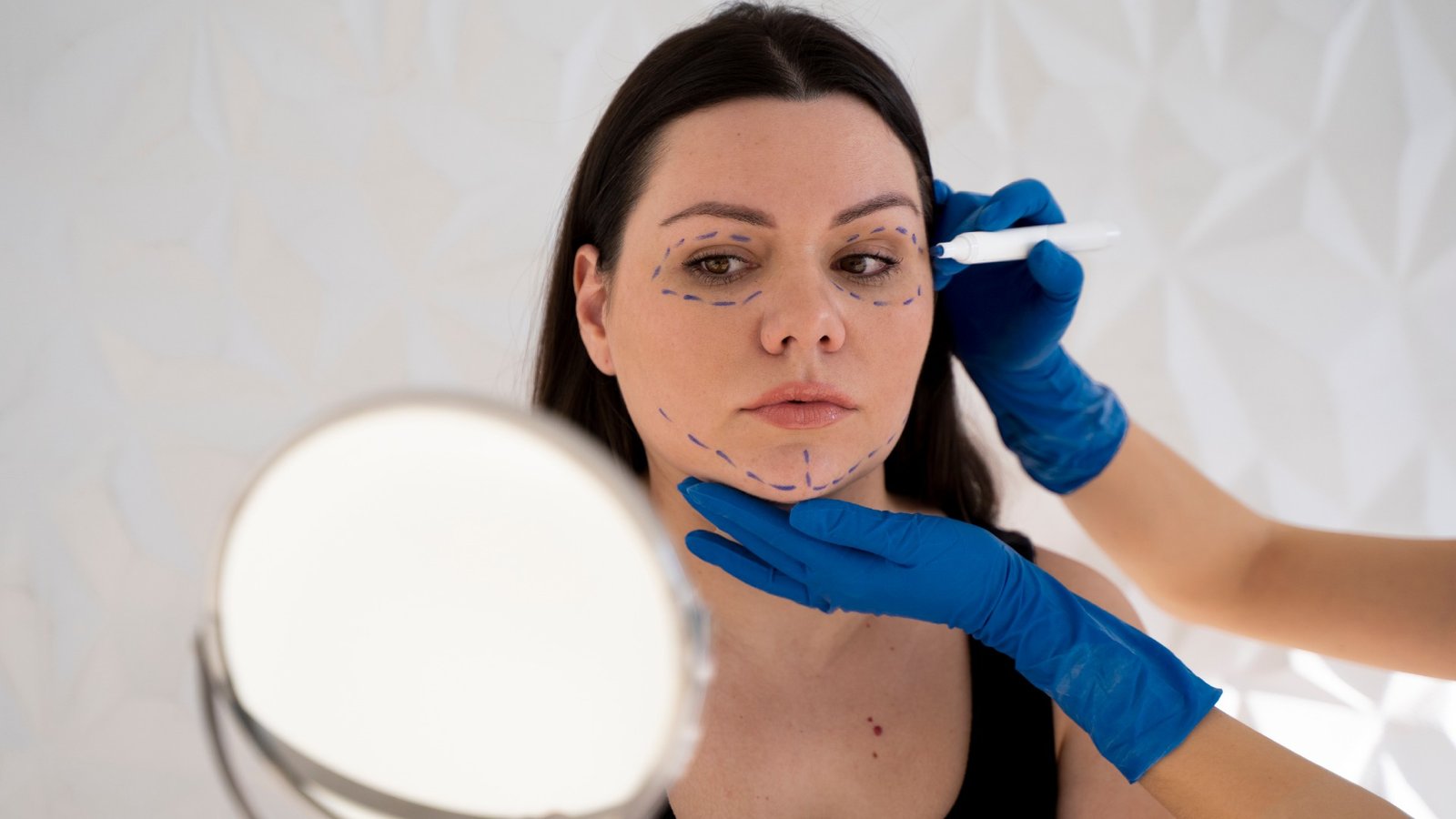
The allure of dermal fillers, promising a rejuvenated appearance and sculpted facial features, is undeniable. However, the quest for aesthetic enhancement can sometimes lead down a path fraught with significant medical risks. A recent study conducted in the United Kingdom, utilizing ultrasound technology to examine 100 cases involving complications from dermal fillers, has unveiled a concerning reality: the potential for arterial blockages, both superficial and deep, which can trigger irreversible damage ranging from skin loss to, in extreme instances, blindness.
The Hidden Dangers of Aesthetic Procedures
Certain facial areas possess heightened sensitivity when it comes to filler injections. For example, fillers administered in the vicinity of the nose can inadvertently impact arteries that are connected to critical areas of the head. The primary danger arises when a filler is injected too closely, or even directly into, a blood vessel, leading to a vascular occlusion. This occlusion effectively halts blood flow to the affected area.
The consequences of such a blockage can be severe, resulting in tissue necrosis (tissue death) and, in some cases, permanent and disfiguring facial deformities. It’s crucial to understand that these aren’t simply cosmetic imperfections; they represent significant medical complications that demand immediate and specialized medical intervention. The promise of a quick aesthetic fix can quickly transform into a serious health crisis.
Ultrasound: A Vital Tool for Safer Procedures
To mitigate the risks associated with dermal filler injections, researchers are advocating for the routine and systematic use of ultrasound imaging prior to any injection being administered. Ultrasound technology offers a real-time visualization of the underlying vascular structures, allowing practitioners to precisely map the location of arteries and veins. This detailed mapping enables safer and more informed treatment planning, minimizing the risk of accidental vascular occlusion.
Furthermore, in the event that complications do arise during or after the procedure, ultrasound can serve as a crucial guide for treatment. It assists in precisely targeting the affected area, potentially reducing the necessity for hyaluronidase, an enzyme used to dissolve hyaluronic acid-based fillers. While hyaluronidase can be effective, it also carries its own set of potential risks and side effects.
Limited Adoption and the Need for Greater Awareness
Despite the clear benefits of ultrasound in enhancing the safety of dermal filler procedures, its adoption within clinics remains limited. While the British Association of Aesthetic Plastic Surgeons reports a growing interest in ultrasound, its use is not yet widespread. Experts are increasingly calling for stricter regulation of these procedures, emphasizing that they should only be performed by qualified and extensively trained healthcare professionals. This includes doctors, nurses, and other practitioners who have received specialized training in facial anatomy, injection techniques, and the management of potential complications.
Towards Enhanced Regulation and Patient Safety
Recognizing the gravity of the complications observed in connection with dermal fillers, the British government is actively considering strengthening the regulatory framework surrounding invasive cosmetic procedures. A public consultation is scheduled for 2026 to facilitate discussions regarding new measures designed to safeguard patient safety. The overarching goal is to minimize risks through a multi-pronged approach encompassing rigorous professional training standards, robust regulatory oversight, and comprehensive public awareness campaigns. These campaigns aim to educate the public about the potential risks and benefits of dermal fillers, empowering them to make informed decisions about their aesthetic treatments.
While dermal fillers continue to be marketed as a convenient solution for achieving a more youthful appearance, these findings serve as a stark reminder that prevention is paramount. Enhanced information dissemination, safer injection practices, and more stringent controls are essential to prevent potentially tragic outcomes. The focus must shift towards prioritizing patient safety and ensuring that individuals are fully aware of the risks involved before undergoing any cosmetic procedure.
Embracing Self-Acceptance: Beauty from Within
Beyond the inherent medical risks associated with dermal fillers, it is also crucial to contemplate the true meaning of beauty. Society often imposes unrealistic and unattainable standards, leading individuals to seek “perfection” through cosmetic interventions. However, it’s important to remember that every face is unique, and every individual’s skin tells a story. Learning to appreciate and celebrate one’s natural features is an act of profound self-acceptance and empowerment.
Accepting your face as it is, with its natural lines, marks, and unique characteristics, does not diminish your beauty. On the contrary, it fosters lasting self-confidence and a positive body image. Opting for invasive procedures driven by social pressure or the desire to conform to external ideals can often come at a greater cost than anticipated, both in terms of physical health and emotional well-being.
Medical professionals emphasize that loving and caring for your skin and face begins with self-acceptance. Prioritizing skincare, adopting healthy lifestyle habits, and celebrating your natural features are safe and effective ways to feel confident and good about yourself without jeopardizing your health or self-esteem. True beauty emanates from within, and embracing your unique self is the most powerful form of self-expression.