
Nike’s China Sales Plunge Amidst Shifting Consumer Tastes and Rising Domestic Competition
A significant downturn in Nike’s sales within the crucial Chinese market is highlighting the escalating competitive landscape, driven by the growing appeal of homegrown brands and evolving consumer preferences. While Nike’s global financial performance showed resilience, a sharp 16 per cent decrease in revenue from Greater China for its fiscal 2026 second quarter, ending November 30, underscores a more profound challenge.
Alex Chen, a Beijing-based office worker in his late thirties, exemplifies this shift. Once a fervent follower of global sportswear giants like Nike and Adidas, drawn by the allure of iconic athletes and aspirational branding, his purchasing habits have changed. “I have always been a huge basketball fan of Michael Jordan and Kobe Bryant,” Chen shared. “Back then, I would specifically seek out Nike and Adidas basketball shoes – wearing a pair of Jordan shoes made me feel like I was part of the sports community.”
However, his priorities have evolved. “But now that I’m middle-aged, my priorities have shifted towards more balanced choices. I’m eager to try domestic brands, thanks to their relatively affordable pricing and improvements in quality, durability and comfort,” he explained. While the prestige and sense of belonging associated with global brands still hold some sway, they no longer automatically justify the premium price point. This recalibration in consumer logic is increasingly prevalent across China and is directly impacting the financial results of established international sportswear players.
The recent earnings report revealed a substantial drop in Greater China revenue to approximately US$1.42 billion. This decline was mirrored across various sales channels: direct-to-consumer sales revenue fell by 18 per cent year on year, digital business revenue saw a significant 36 per cent decrease, and revenue from physical stores declined by 5 per cent. In the wake of these figures, Nike’s shares experienced a notable dip of 10 per cent in after-hours trading on Thursday.
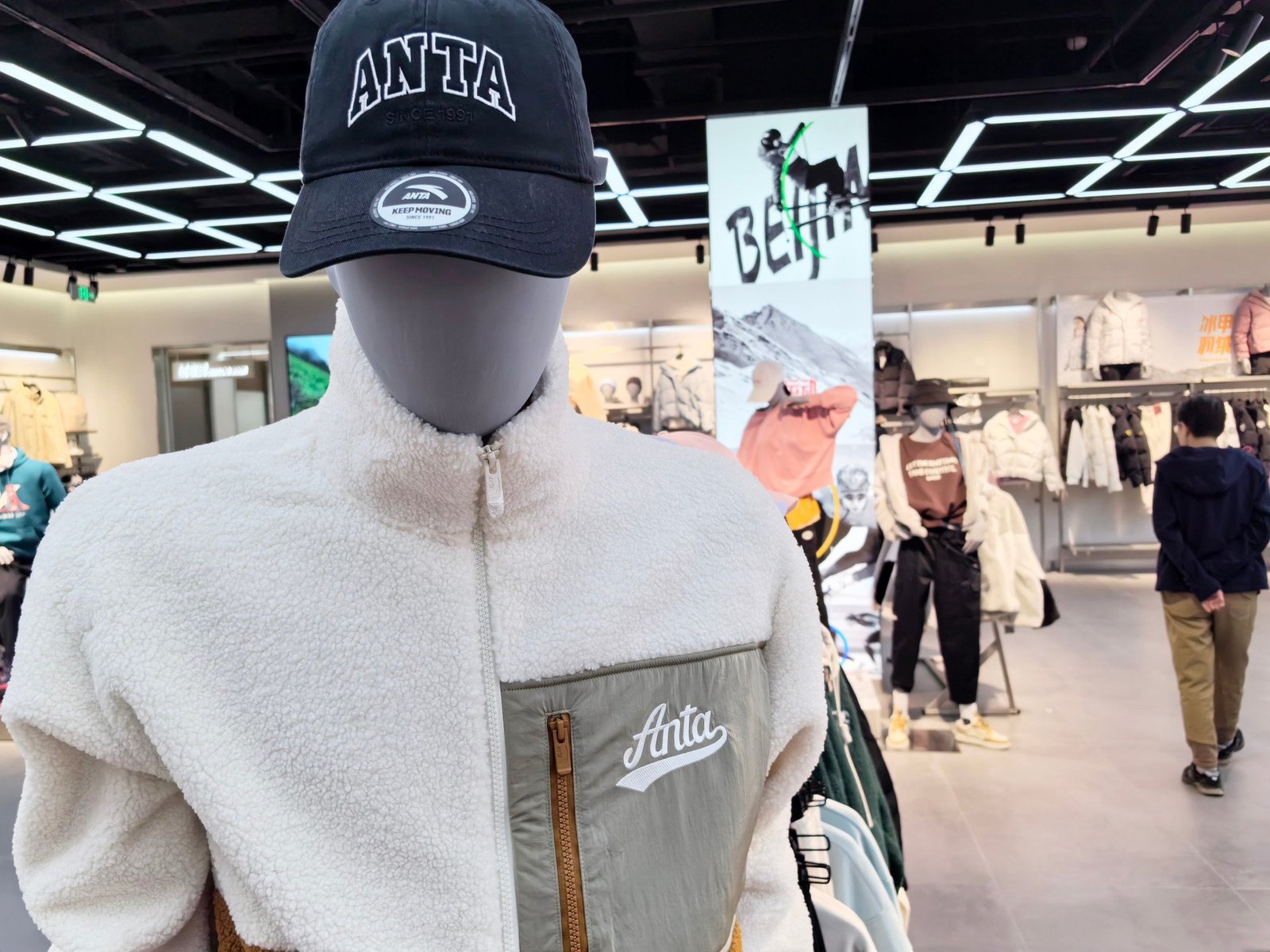
Nike’s flagging performance in China has intensified scrutiny on the pressures faced by foreign brands in a market increasingly dominated by domestic powerhouses such as Anta Sports and Li-Ning. Anta Group has successfully overtaken Nike in China’s sales figures for the past three years, solidifying its position as the nation’s leading sportswear provider. Globally, Anta Group ranks as the third-largest sportswear company, trailing only Nike and Adidas, having surpassed 100 billion yuan (US$14.2 billion) in annual revenue when sales from its international brands, including Fila and Arc’teryx, are factored in. Despite this impressive scale, Anta’s market capitalization remains considerably smaller than Nike’s, indicating the substantial gap that still exists between China’s market leader and the world’s most recognized sportswear brand.
Key Factors Driving the Shift in Consumer Preferences
Industry analysts suggest that Nike’s latest financial report is indicative of a fundamental transformation within China’s sportswear sector, rather than a mere temporary setback.
- Pragmatism Over Premium: Consumer spending logic has shifted from an emphasis on brand premiums to a greater valuation of pragmatism. Shoppers are now more inclined to seek value for money, prioritizing quality and functionality at accessible price points.
- Local Resonance Over Global Narratives: The emotional connection consumers feel with sports branding has moved from global storytelling to a preference for local relevance and cultural resonance. Brands that can tap into Chinese cultural elements and national pride are gaining traction.
- Agility and Speed to Market: Domestic brands have effectively leveraged their advanced digital supply chains and deep understanding of consumer insights to drastically reduce the time it takes to bring China-specific products from concept to market, often achieving this in as little as three to six months. This allows them to respond rapidly to emerging trends and consumer demands.
Lin Min, an analyst at LeadLeo Research Institute, a Shanghai-based market research firm, commented on the strategic challenge Nike faces: “Nike’s results underscore a strategic challenge: moving from simply selling in China to creating for China. The hardest part, Lin added, would be balancing the identity that has made Nike a global brand with the unique demands of Chinese consumers.”
Future Outlook and Market Dynamics
Nike has consistently identified China as a market with significant long-term growth potential. The company has stated its intention to continue optimizing its operations within the Chinese market to lay a robust foundation for future expansion. Despite the recent decline, Nike continues to hold a leading position in online sales among sports brands on major Chinese e-commerce platforms. According to data from Guosen Securities, in the third quarter, Nike maintained an 8.7 per cent market share, followed closely by Adidas at 8.1 per cent and Li-Ning at 7.9 per cent. Anta’s standalone brand accounted for 5.9 per cent, excluding its international portfolio.
The broader regional economic trends also favor the rise of local players. A report by Bain & Company and NielsenIQ projects that the Asia-Pacific region will surpass North America as the world’s largest consumer market by 2035. The report further anticipates that by 2026, the consumer landscape in the region will be characterized by domestic and regional brands capturing increasing market share across most developing economies. These local players are expected to outperform multinational corporations in terms of innovation speed and market agility, while maintaining a closer connection to the specific tastes and needs of local shoppers.
The evolving preferences of consumers like Alex Chen reflect a wider recalibration among urban Chinese shoppers. While global brands still convey a sense of status and authenticity, local labels are increasingly adept at delivering the quality, comfort, and style that consumers desire, often at a more attractive price point. This dynamic signifies a maturing market where intrinsic product value and local relevance are gaining precedence over purely aspirational global branding.