
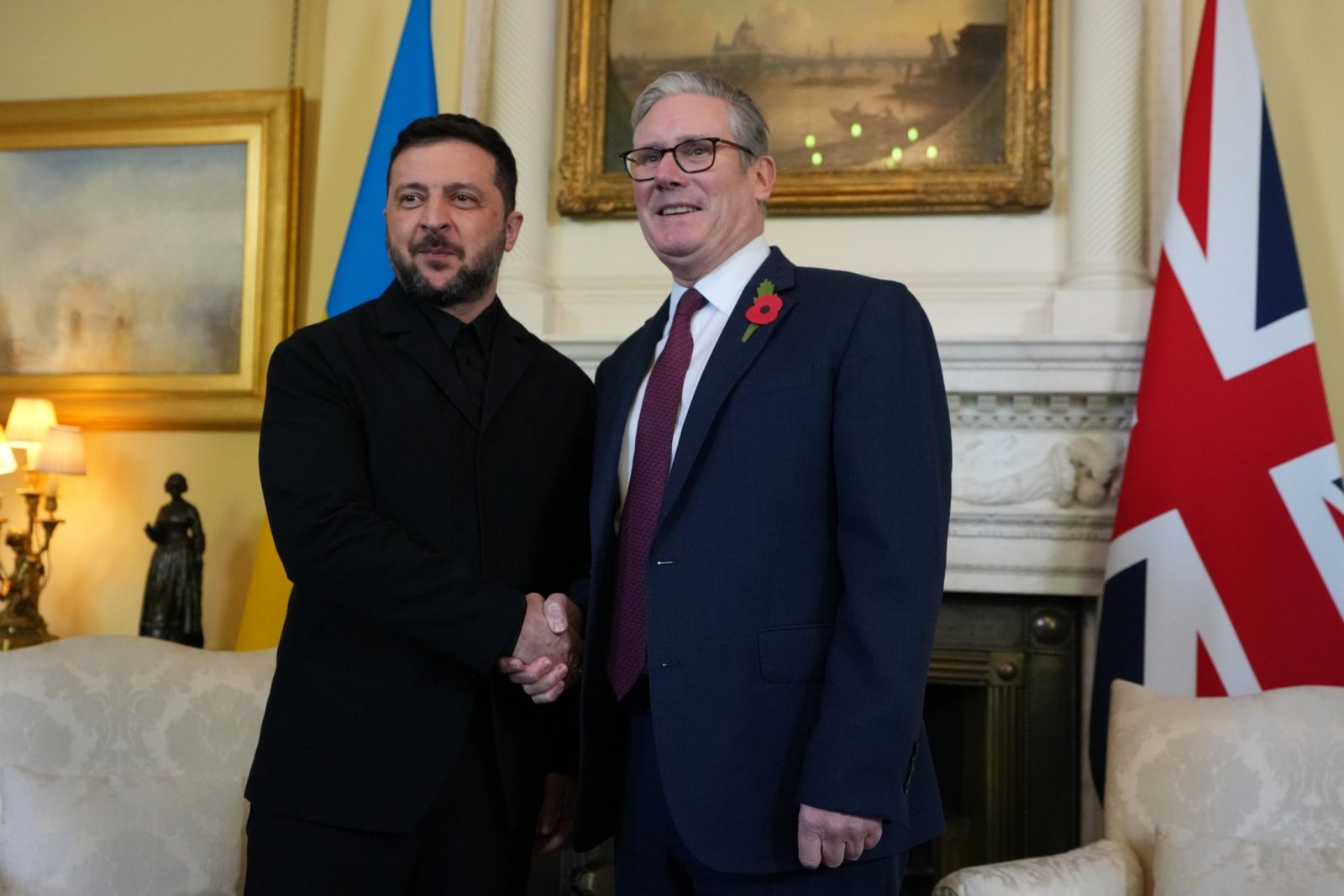
A crucial meeting is scheduled for Monday at Downing Street, where Prime Minister Keir Starmer will host Ukrainian President Volodymyr Zelensky. The meeting will also be attended by French President Emmanuel Macron and German Chancellor Friedrich Merz. This urgent gathering occurs as Europe, Ukraine, and Russia grapple to find common ground for a peace agreement that would bring an end to the ongoing conflict in Ukraine, a war that is rapidly approaching its fourth year.
Prior to this high-level meeting, Ukrainian and US officials convened in Miami on Friday and Saturday to discuss the United States’ efforts to broker a peace deal. Both parties involved described these talks as “constructive,” suggesting a positive step forward, though the details remain undisclosed.
President Zelensky has also reported having productive discussions via telephone with US peace envoy Steve Witkoff, indicating a continued diplomatic push from multiple avenues.
The discussions at Downing Street are anticipated to centre on the latest attempts to formulate a revised peace plan, alongside potential assurances regarding Ukraine’s security in the post-war period.
It’s understood that the four leaders participated in a virtual meeting of the “coalition of the willing” approximately two weeks prior to the Downing Street summit. During that virtual meeting, plans for a potential European peacekeeping force that could be deployed to Ukraine in the event of a ceasefire were reportedly considered.
The meeting between the European leaders follows expressions of reservations, shared by both the leaders and Zelensky, concerning a 28-point peace proposal initially put forward by the United States.
This initial plan, reportedly crafted by US special envoy Steve Witkoff and Kirill Dmitriev, an advisor to Vladimir Putin, contained a series of demands deemed excessively stringent by Ukraine and viewed as a potential threat to its sovereignty.
These demands included stipulations on limiting the size of the Ukrainian army, the withdrawal of Ukrainian forces from cities currently under their control in the eastern Donbas region, and a commitment from Ukraine to abstain from joining NATO.
Kyiv and European leaders jointly rejected the original plan, advocating for significant revisions to address their concerns.
Ukraine subsequently proposed substantial amendments to the plan. These revised amendments were then presented by Witkoff and Jared Kushner to Putin for consideration during a five-hour meeting held last week.
However, Putin rejected the amended deal. His foreign policy advisor, Yuri Ushakov, stated that “there is still a lot of work to do,” highlighting the continued obstacles in reaching a mutually acceptable agreement.
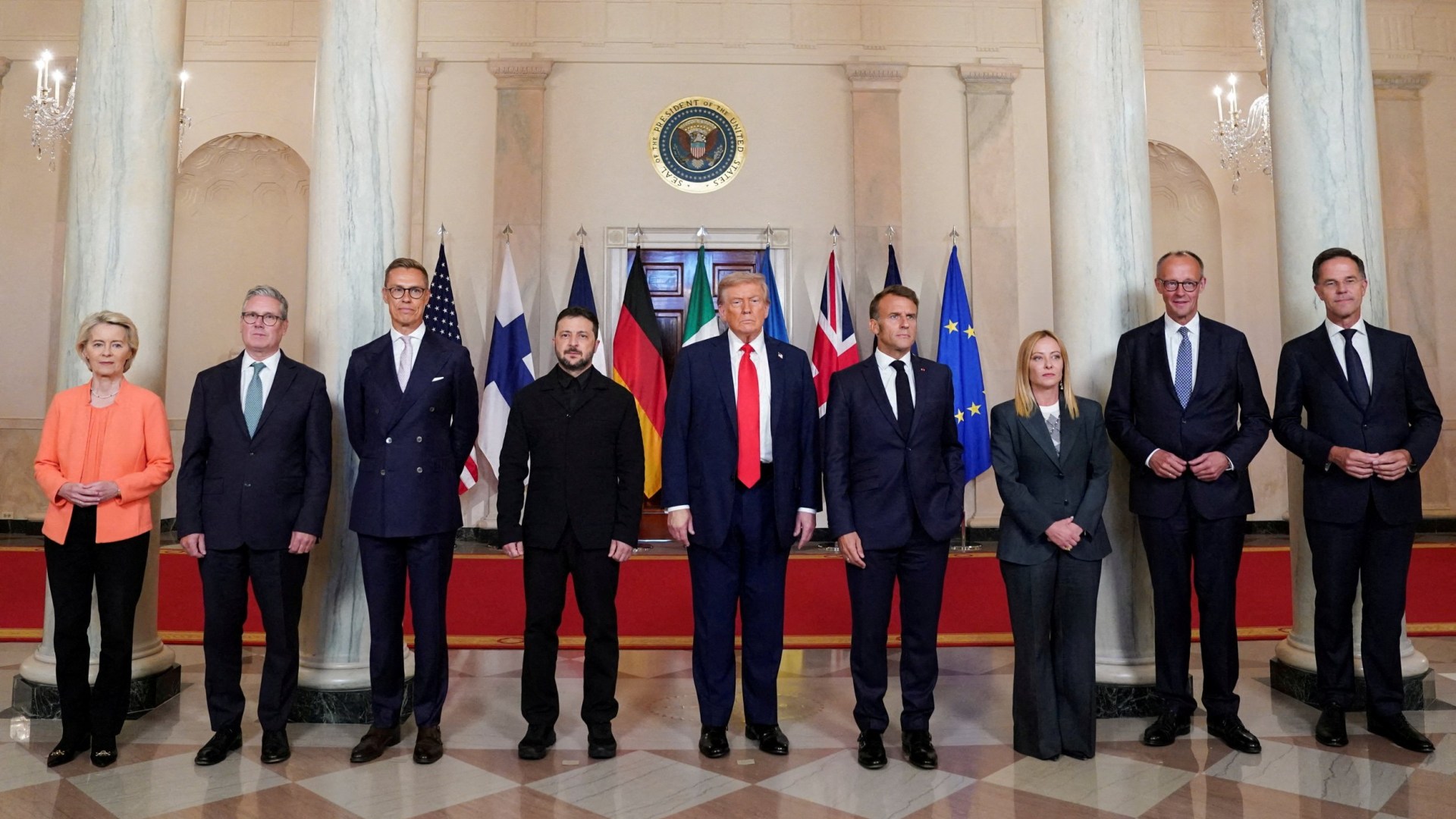
Reportedly, Moscow remains unwilling to accept any agreement that does not grant them control over the entirety of the Donetsk province, creating a significant impasse in the negotiation process.
Putin has since stated, “Russia does not intend to fight Europe, but if Europe starts, we are ready right now,” a statement that adds further complexity and tension to the already delicate situation.
Adding another layer of complexity, leaked transcripts of a phone call between Macron and Zelensky surfaced, seemingly confirming existing tensions between the US and Europe regarding the situation in Ukraine.
According to extracts published by Germany’s Spiegel magazine, Macron allegedly stated, “There is a risk that the United States will betray Ukraine on the issue of territory without clarity on security guarantees.” This suggests a level of distrust and concern regarding the US’s commitment to Ukraine’s territorial integrity.
Furthermore, it’s reported that Merz commented that Trump and his negotiating team were “playing games” with EU leaders and Zelensky, indicating a perception of insincerity or manipulation in the US’s approach to the negotiations.
Amidst these diplomatic efforts, Moscow has continued its military offensive, bombarding Ukraine with strikes and reiterating its determination to seize Ukrainian territory.
Putin has asserted, “All this boils down to one thing: Either we take back these territories by force, or eventually Ukrainian troops withdraw.” This statement underscores Russia’s unwavering commitment to achieving its territorial objectives through military means if necessary.
On a recent Friday night, Russia launched a significant drone and missile attack targeting Ukraine’s power and transport infrastructure.
The Ukrainian military reported that Russia launched 653 drones and 51 missiles overnight in this large-scale assault.
According to the Ukrainian military, their forces managed to intercept and destroy 585 drones and 30 missiles, showcasing their defensive capabilities.
Domestically, Zelensky’s government has been grappling with a corruption scandal that has led to the resignations of some of his closest political allies.
Last month, Andriy Yermak, his chief of staff, resigned following an anti-corruption raid on his residence, highlighting the severity of the situation.
In recent weeks, Ukraine’s anti-corruption bureau Nabu and specialised anti-corruption prosecutors office (Sap) have implicated several high-profile figures in an alleged $100 million embezzlement scandal within the energy sector. This has further damaged public trust and put pressure on Zelensky’s administration.
Zelensky had previously attempted to curtail the independence of Nabu and Sap but reversed course following widespread public protests opposing the proposed legislation. This demonstrates the importance of public accountability and the challenges of maintaining a strong stance against corruption.