
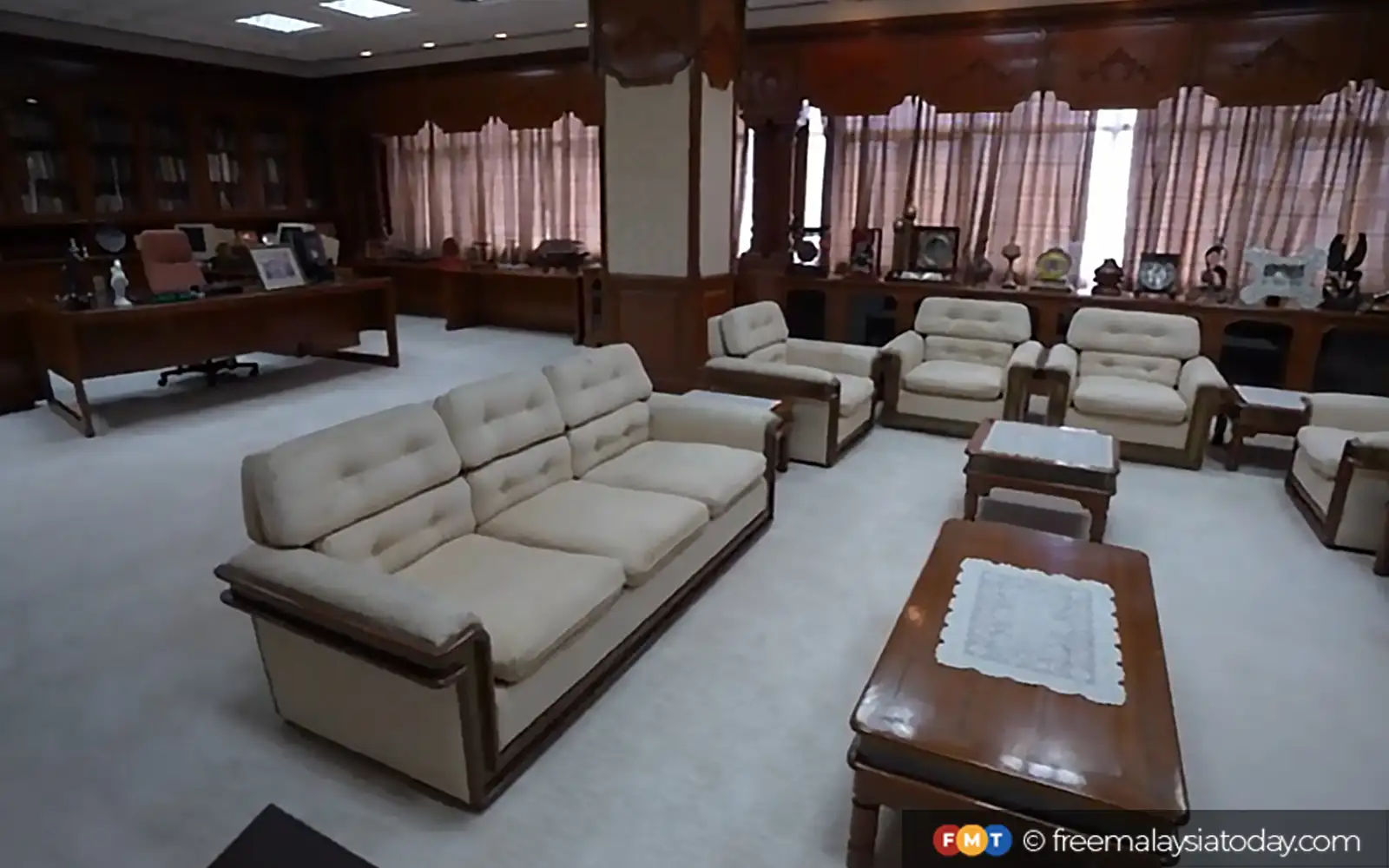
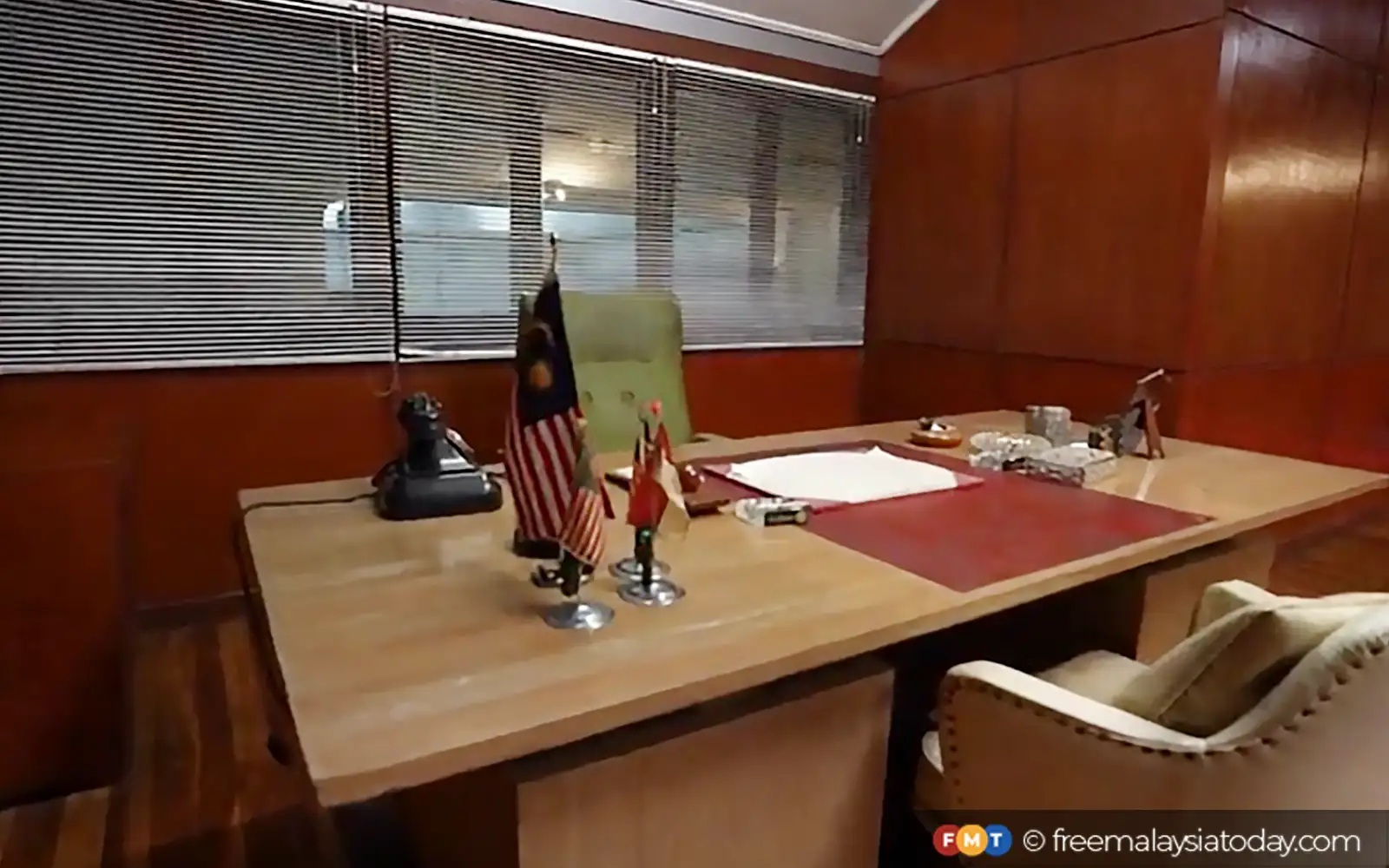
KUALA LUMPUR: Have you ever wondered where Malaysia’s early Prime Ministers conducted the nation’s business? The original office, where four leaders governed the country, remains intact and is open to the public for free visits. This offers a unique glimpse into the heart of Malaysia’s political history.

The Prime Minister and Statesmen Archives Complex (Kapman), located on Jalan Dato Onn, houses this significant office along with a fascinating collection of personal artifacts. Hanizah Junoh, Director of the Statesmen Archives Division, explained that the complex meticulously preserves and displays items such as clothing, shoes, and books belonging to former Prime Ministers and key figures in Malaysia’s independence.
“We are dedicated to collecting heritage objects and personal belongings of these important figures and presenting them in engaging exhibitions,” Hanizah stated. “Everything you see here is original. We have taken great care to maintain the original building, including the old offices and the Cabinet meeting rooms.”
The National Archives plays a crucial role in managing a network of 11 memorials dedicated to prominent figures in Malaysian history. These memorials offer diverse perspectives on the nation’s journey, including:
- Tunku Abdul Rahman Memorial: Commemorating Malaysia’s first Prime Minister.
- Hussein Onn Memorial: Honoring the third Prime Minister of Malaysia.
- Galeria Sri Perdana (Dr. Mahathir Mohamad): Showcasing the life and career of Malaysia’s longest-serving Prime Minister.
- Mahathir Mohamad Birthplace (Kedah): Preserving the house where Dr. Mahathir Mohamad was born.
- Abdul Razak Memorial: Dedicated to the second Prime Minister of Malaysia.
- P. Ramlee Commemorative Library: Celebrating the life and work of the iconic Malaysian artist.
- P. Ramlee Birthplace (Penang): The birthplace of the legendary P. Ramlee.
- Independence Proclamation Memorial (Melaka): Marking the site where Malaya’s independence was declared.
- Ghafar Baba Memorial (Melaka): Remembering the contributions of the former Deputy Prime Minister.
- Rumah Merdeka (Kedah): A historical house associated with the independence movement.
- Statesmen Memorial: Recognizing the contributions of seven key figures who aided Tunku Abdul Rahman in achieving independence.
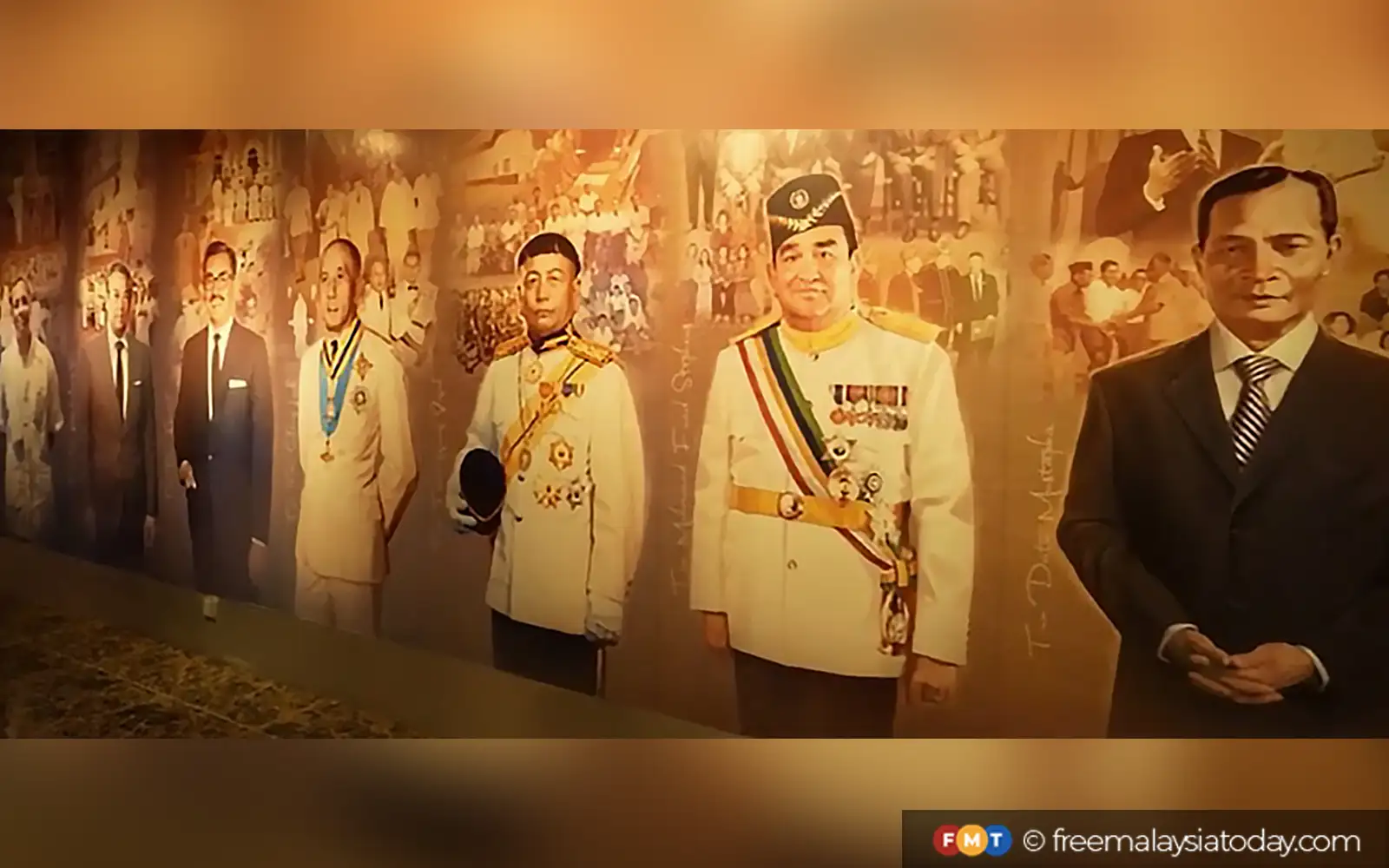
Hanizah elaborated on the significance of the Statesmen Memorial, emphasizing its role in honoring the seven leaders who worked alongside Tunku Abdul Rahman in the pursuit of Malaya’s independence and the formation of Malaysia in 1963. These individuals played vital roles in shaping the nation’s early years.
“These seven leaders are Dr. Ismail Abdul Rahman, Tan Cheng Lock, V.T. Sambanthan, Dr. Lim Chong Eu, Mustapha Harun, Fuad Stephens, and Jugah Barieng,” she noted. Each of these figures brought unique skills and perspectives to the table, contributing significantly to the success of the independence movement and the establishment of a new nation.
Recognizing the importance of engaging younger generations with Malaysia’s history, the National Archives, under the purview of the Unity Ministry led by Aaron Ago Dagang, has launched the e-Negarawan platform. This innovative platform utilizes technology to make historical resources more accessible and engaging.
The e-Negarawan platform offers virtual tours of all 11 memorials, bringing the nation’s history to users’ fingertips. This initiative is aimed at connecting young people with the country’s heritage in a convenient and interactive way.
The digitalization of public services through the e-Negarawan platform not only promotes the positive use of technology and the internet but also ensures that the National Archives can reach a wider audience. By providing virtual access to these important historical sites, the platform makes learning about Malaysia’s past more convenient and accessible than ever before.

“No matter where you are, you can now explore all 11 memorials using your mobile phone,” Hanizah explained. “The response has been very encouraging, and we have been able to reach thousands of visitors each month through this platform.” The e-Negarawan platform has proven to be a successful tool for promoting historical awareness and engagement among the public.
In addition to the e-Negarawan platform, the National Archives actively encourages educational visits from schools, colleges, and universities. This reflects the government’s commitment to ensuring that young people learn about the contributions and services of statesmen to nation-building. By providing opportunities for students to visit the memorials and learn about the lives and work of these important figures, the National Archives helps to instill a sense of national pride and civic responsibility in future generations. These visits offer a tangible connection to the past, bringing history to life and fostering a deeper understanding of Malaysia’s journey to independence and nationhood.