
Strategic Use of Drones in the Ukraine Conflict
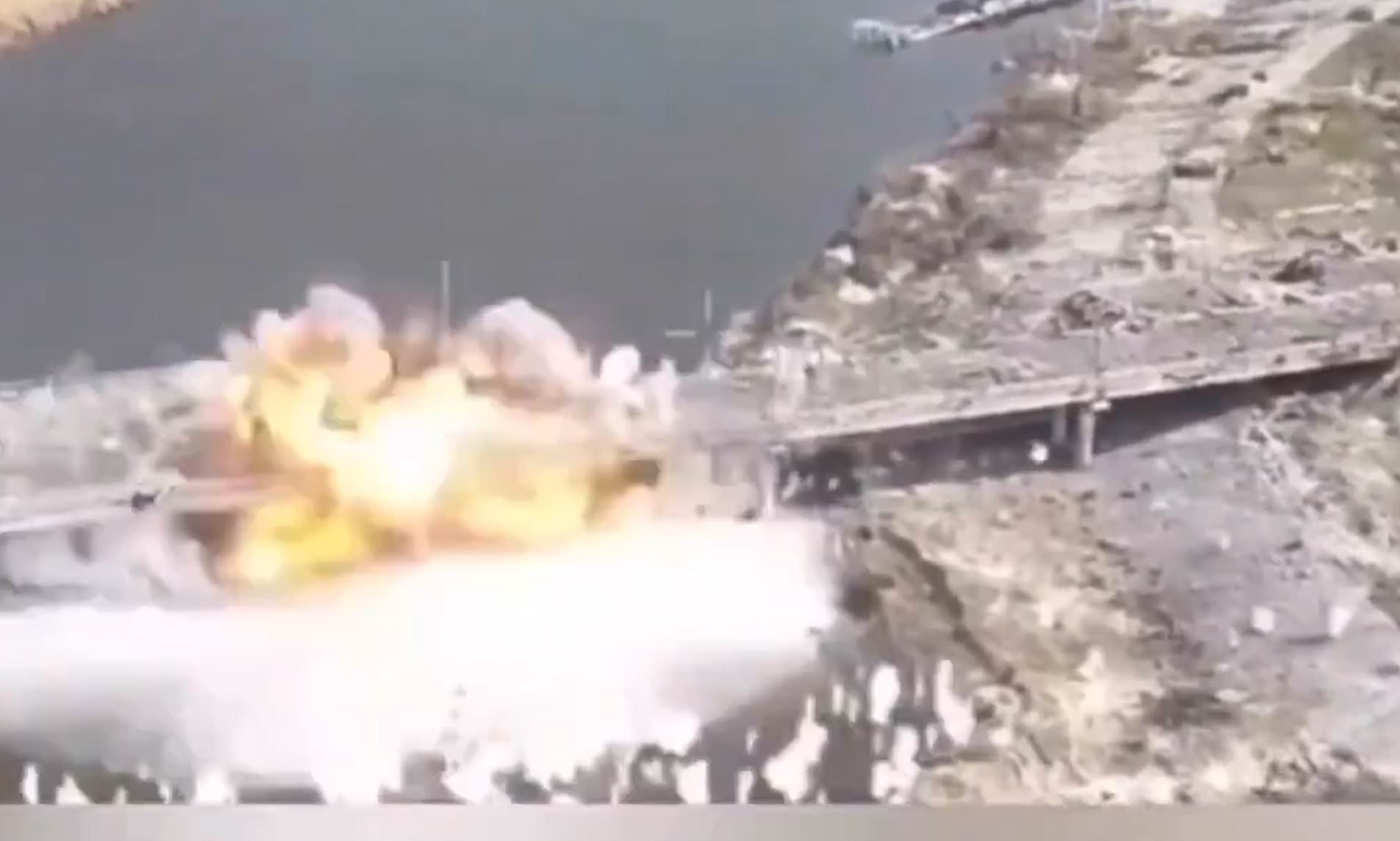
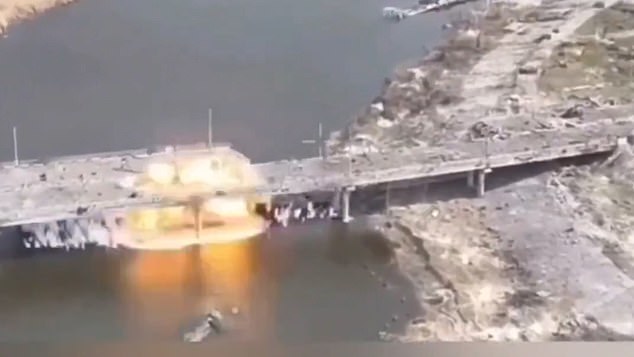
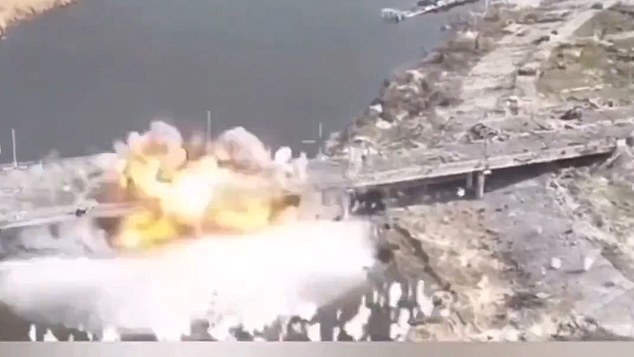
Ukrainian forces have made a significant impact on the battlefield by utilizing British-made drones to destroy a key Russian-held bridge in the Kherson region. This operation, which took place in March last year, is considered the first of its kind where a drone-led mission successfully targeted and destroyed a bridge. The attack on the Konka River crossing marked a turning point in the conflict, showcasing the evolving role of technology in modern warfare.
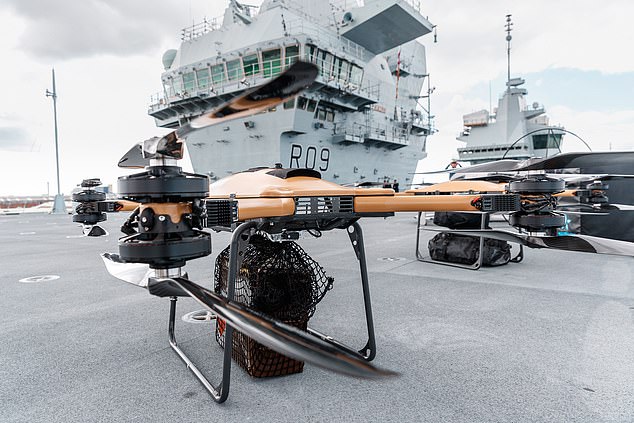
The operation involved the use of Malloy T-150 heavy-lift drones, which were deployed over a two-month period to repeatedly strike the bridge. Initially seen as an impossible task, the mission ultimately succeeded in collapsing two sections of the bridge into the river, creating a massive cloud of smoke. This action significantly hindered the Russian military’s ability to supply and attack the besieged city of Kherson located on the right bank of the Dnipro River.
Colonel Oleksii Bulakhov, speaking to the Telegraph, highlighted the challenges of destroying bridges. He noted that while it is relatively easy to target bridges from underneath, their design makes them highly resilient from the outside. This underscores the importance of the drone attacks, which managed to overcome these structural challenges.
The T-150 drones, manufactured by Malloy Aeronautics—a subsidiary of British defense company BAE Systems—were not originally designed for combat. Instead, they were developed as a flying motorcycle for herding cattle in the Australian outback. However, their versatility proved invaluable in preventing Russian forces from continuing to bombard the Ukrainian city.
Prior to the drone attacks, the bridge had been struck during the war but remained functional for military supplies. The Konka River, a tributary of the Dnipro, served as a de facto border between Ukrainian and Russian-controlled areas in the Kherson region. The attack occurred near the occupied town of Oleshky and reportedly came as a “complete shock” to the occupying Russians.
British Contributions to the Conflict
The use of British-made weapons in the Russia-Ukraine conflict is not new. The UK is currently developing powerful long-range ballistic missiles capable of striking targets more than 300 miles away. These missiles, known as Nightfall rockets, are equipped with 200kg warheads and can be fired in quick succession, reaching as far as Moscow. They could serve as a valuable asset in Volodymyr Zelensky’s ongoing efforts against Putin’s forces.
British firms have been contracted by the Ministry of Defence to design, develop, and deliver the first three test missiles under a £9 million contract. This collaboration highlights the growing strategic partnership between the UK and Ukraine in the face of the ongoing conflict.
Recent Developments in Russian Military Activities
Last month, Russia unveiled a terrifying intercontinental missile during nuclear drills. Eerie images released by the defense ministry depicted the missile being driven through a snow-covered forest at night, with its launcher emerging from the darkness during the exercise. Crews practiced various activities, including camouflaged movements of Yars intercontinental ballistic missiles capable of carrying nuclear warheads.
They also rehearsed responding to simulated enemy attacks and repelling air strikes, although the Defense Ministry did not report any launches. These exercises highlight the continued focus on nuclear capabilities and readiness within the Russian military.