
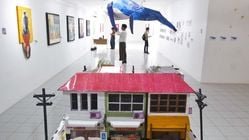
PEOPLE’S THOUGHT– Seeing Bandung City from various perspectives becomes the common thread of the Metropolis Kembang exhibition.
The exhibition featuring the works of five artists, namely Abdul Muhlis Ajamat, Laili Izzati Nugraha, Naufal Fadilah, Sanis Sintia, and Yuro Harry Rangga, stems from the thought, “To what extent does a city’s vibration influence the thoughts and works produced?”
Through Metropolis Kembang, they agreed to make Bandung City the anchor for all creative ideas. This exhibition will take place at the Thee Huis Gallery, Jalan Bukit Dago Selatan, December 6-13, 2025.
Observing the relationship between cities and artists, and the works they create, is an alternative way to trace the historical journey of visual arts and cities. This is especially true since cities emerged as geographical and administrative markers of territories, along with all the societal structures and life that prevailed and occurred within those territories.
In visual arts, when traced, the presence of cities has various versions. One of the early versions, among others, is how cities appear visually in artists’ works as a backdrop to the main object or theme of the work.
Curator Anton Susanto explained that the industrial revolution and changes in the system of government have contributed to shaping and bringing about significant changes to the face and pulse of the city. The presence of architectural technology, transportation, urbanization, economic dynamics, and education have become agents of change in the city’s way of life.
Entering this era, Anton said, the city’s dynamics began to provide different stimuli for artists’ ideas. The city has given birth to new realities, especially in the works of artists.
“That long journey was very dynamic, passing through various markers of the times in the world. For example, pandemics and world wars, to continuous transformation in current contemporary fine art trends. Cities, which were initially just backdrops, have transformed into the main subject. Currently, artists not only depict cities but also experience, conduct observations and analyses of cities, intervene in cities, and criticize cities,” he said.
Anton mentioned that the artists in this exhibition used an analytical approach to Bandung City from the perspective of newcomers or temporary residents.
This becomes a perspective that may differ from that of the natives who have settled in Bandung since birth, or the perspective of tourists who stay for a very short period of time.
Without icon
According to Anton, don’t expect to find explicit landmarks or icons of Bandung City in their work. This is because they are not redrawing the very common and visible face of Bandung City. They are trying to internalize and build another perspective that will offer a new way of seeing Bandung City.
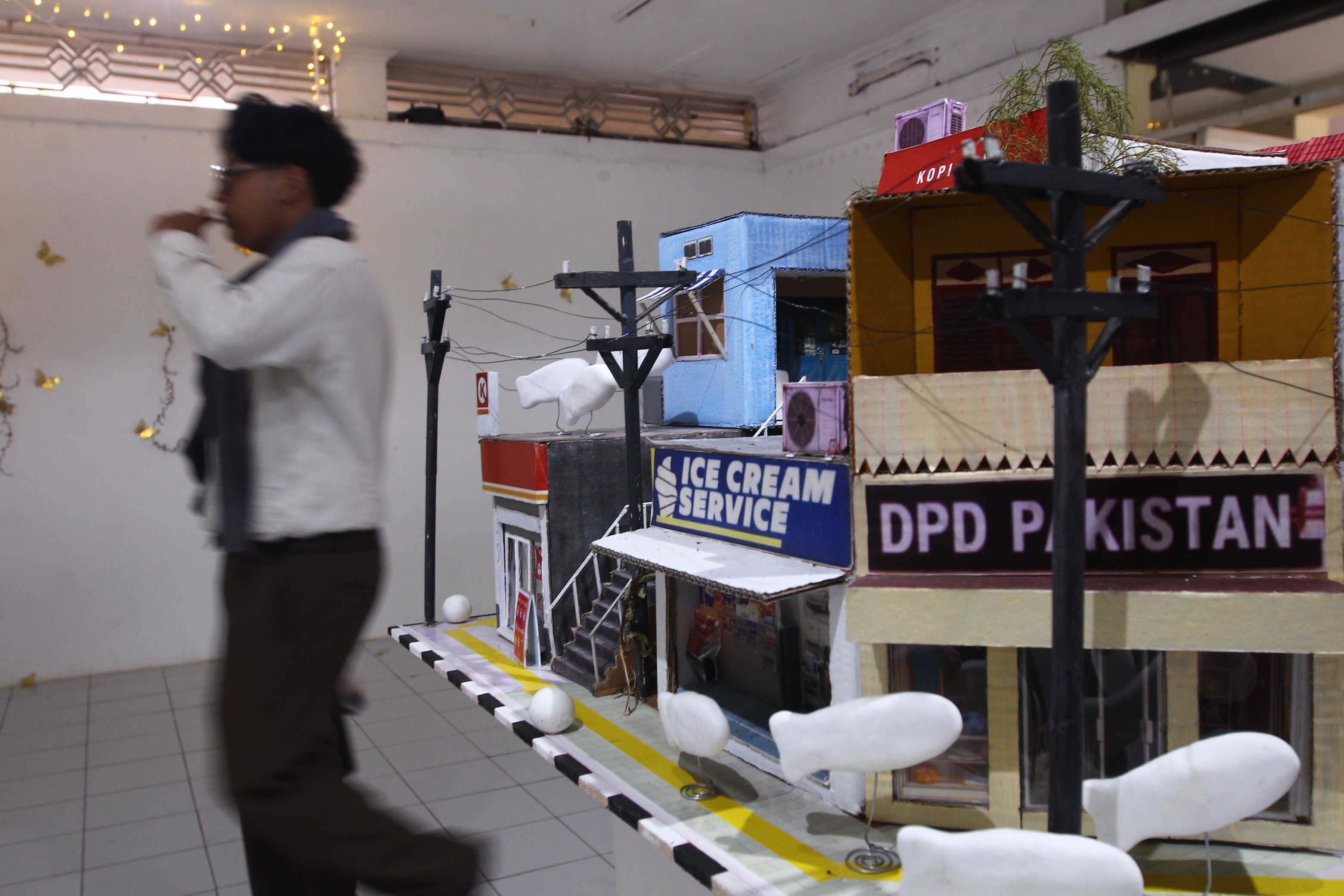
For example, Yuro Harry Rangga, who recorded his experiences in traffic jams and densely populated settlements. The use of (recycled) cardboard in his work could be an articulation to convey concern about waste management or used goods.
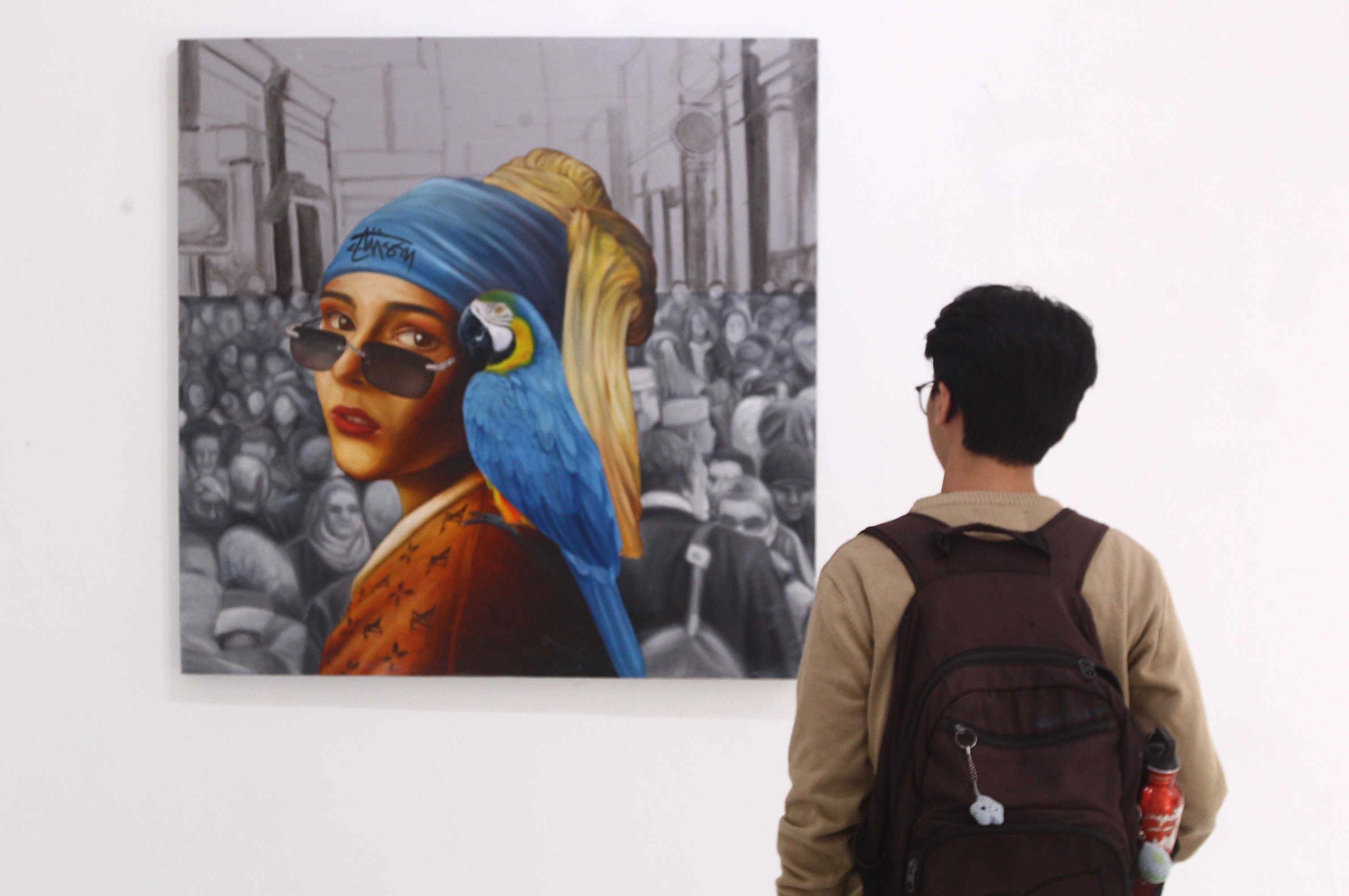
Then, Sanis Sintia created a series of paintings that criticized her experience as a newcomer in Bandung, namely the high consumer culture. This atmosphere was not just a viewpoint, but a personal experience while trying to keep pace with the pulse of Bandung city life.
Anton said that the works presented tend to portray the city not as an ideology, but as an experience and a sensory landscape. For example, the dynamics and rhythm of society, density, noise, traffic jams, pollution, and architecture.