
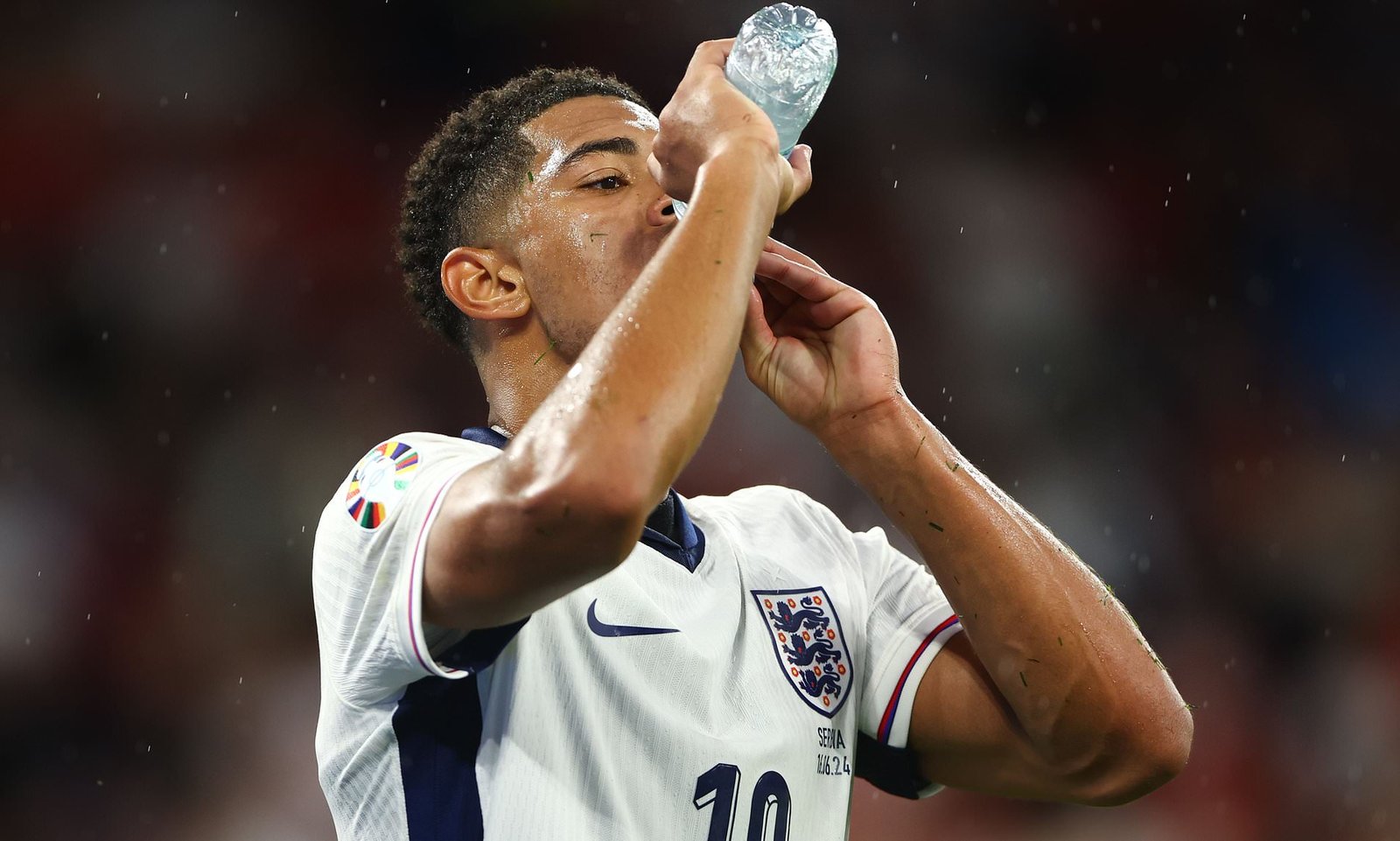
The upcoming World Cup is set to introduce a significant change aimed at prioritising player welfare: mandatory hydration breaks during each match. This new initiative, announced recently, seeks to mitigate the impact of demanding conditions and ensure fair play for all teams.
The hydration breaks will occur twice per match, at the midway point of each half, and will last for three minutes. While the game clock will continue to run, three minutes will be added to the end of each half to compensate for the stoppage.
The decision to implement hydration breaks was a key topic of discussion during a recent gathering in Washington, DC, where national team coaches and broadcasters convened for the World Cup draw. The proposal garnered widespread support from all involved parties, including FIFA’s medical team, who emphasized the importance of safeguarding player health and well-being.
Beyond the obvious benefits of hydration, these breaks will also provide coaches with valuable opportunities to strategise and communicate with their players. This tactical element adds another layer of intrigue to the game and could potentially influence match outcomes.
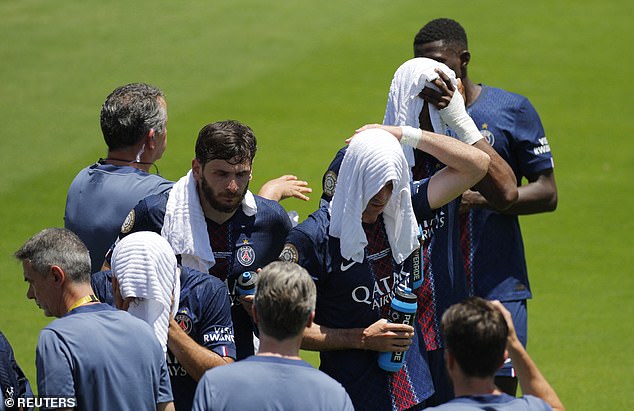
This decision follows concerns raised during the recent Club World Cup, where players and managers expressed concerns about the intense heat experienced during matches played in the United States. Midday kick-off times, in particular, drew criticism due to the soaring temperatures.
However, FIFA has stipulated that the hydration breaks will be implemented regardless of the prevailing weather conditions at the World Cup. This proactive approach ensures that all teams compete under equal circumstances, irrespective of temperature fluctuations.
According to FIFA’s statement, the referee will signal the start and end of the breaks in all games, guaranteeing consistent application across the tournament.
Manolo Zubiria, FIFA’s 2026 World Cup chief tournament officer, clarified that the breaks would be strictly three minutes in duration, measured “from whistle to whistle.” He also addressed potential scenarios involving injuries, stating that any injury stoppages occurring near the designated break time would be handled on a case-by-case basis by the referee.
The experiences during the Club World Cup highlighted the urgent need for measures to address the impact of extreme heat on player performance. Paris Saint-Germain manager Luis Enrique voiced his concerns after his team’s 4-0 victory over Atletico Madrid in Los Angeles, where temperatures reached nearly 40 degrees Celsius with 60 per cent humidity.
“The match was clearly influenced by the temperature,” Enrique stated, noting that while the time slot was convenient for European audiences, the players were suffering. He added that maintaining a high level of performance for the entire 90 minutes was virtually impossible under such conditions.
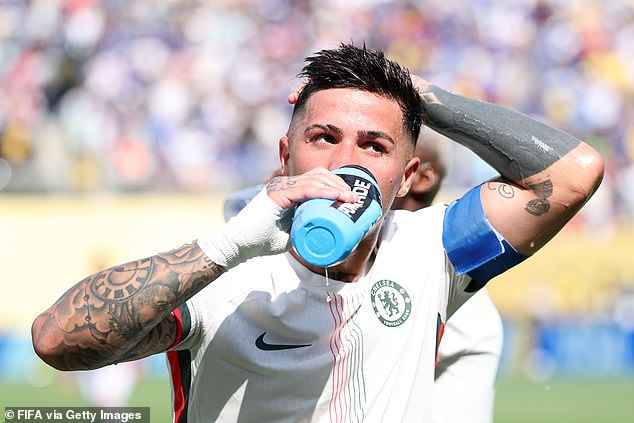
Chelsea midfielder Enzo Maresca echoed Enrique’s sentiments, describing feeling dizzy due to the heat throughout the tournament. He emphasized the potential dangers of playing in such extreme temperatures, not only for the players but also for the quality of the game and the enjoyment of spectators.
Maresca argued that the excessive heat slowed down the pace of the game and detracted from the overall spectacle. His comments underscored the need for FIFA to address the issue of player welfare in hot climates. The implementation of mandatory hydration breaks at the World Cup represents a significant step in that direction. This move aims to create a more level playing field and protect players from the potential health risks associated with competing in challenging environmental conditions.