

Father’s 100-Day Running Challenge Yields Remarkable Transformation
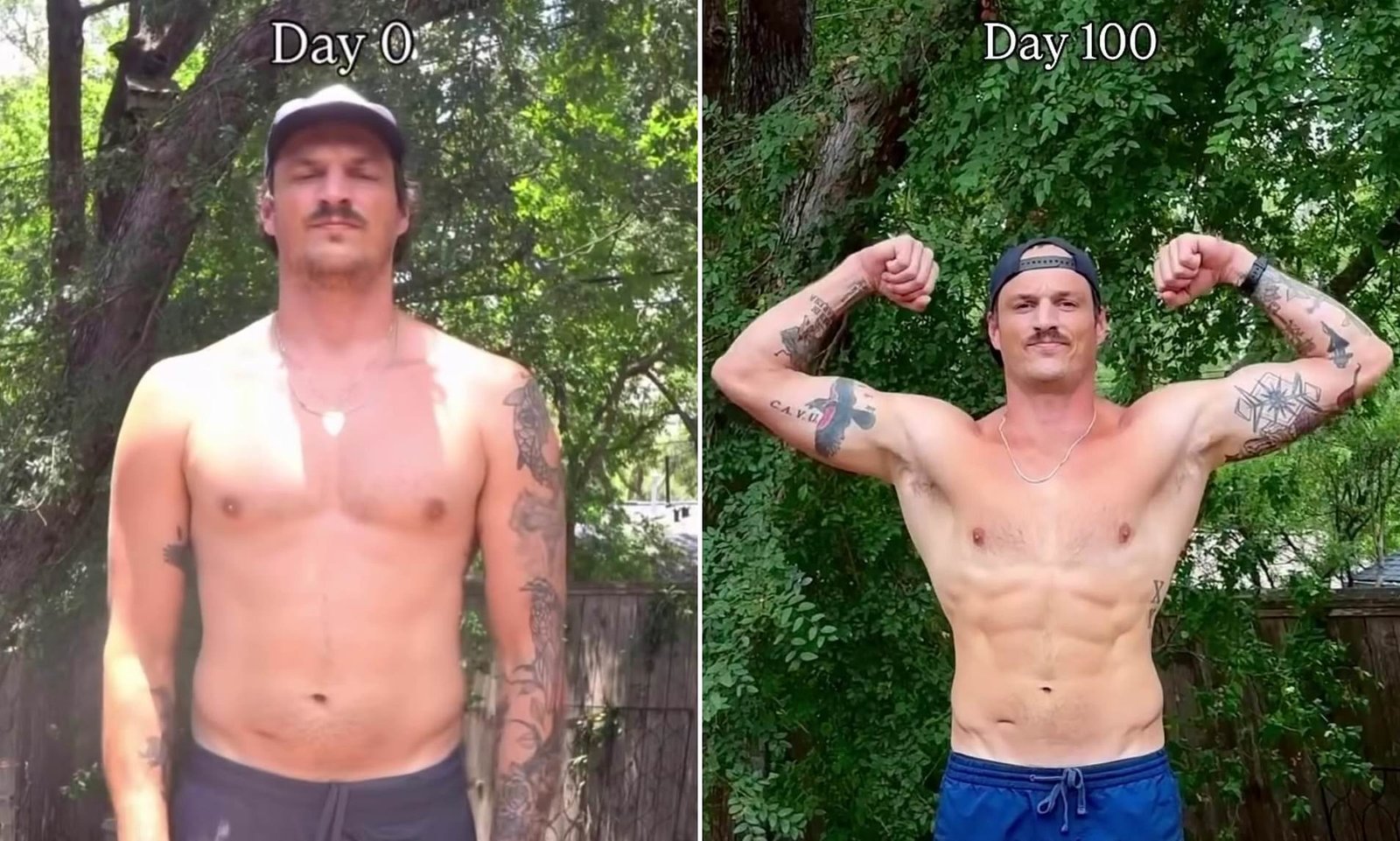
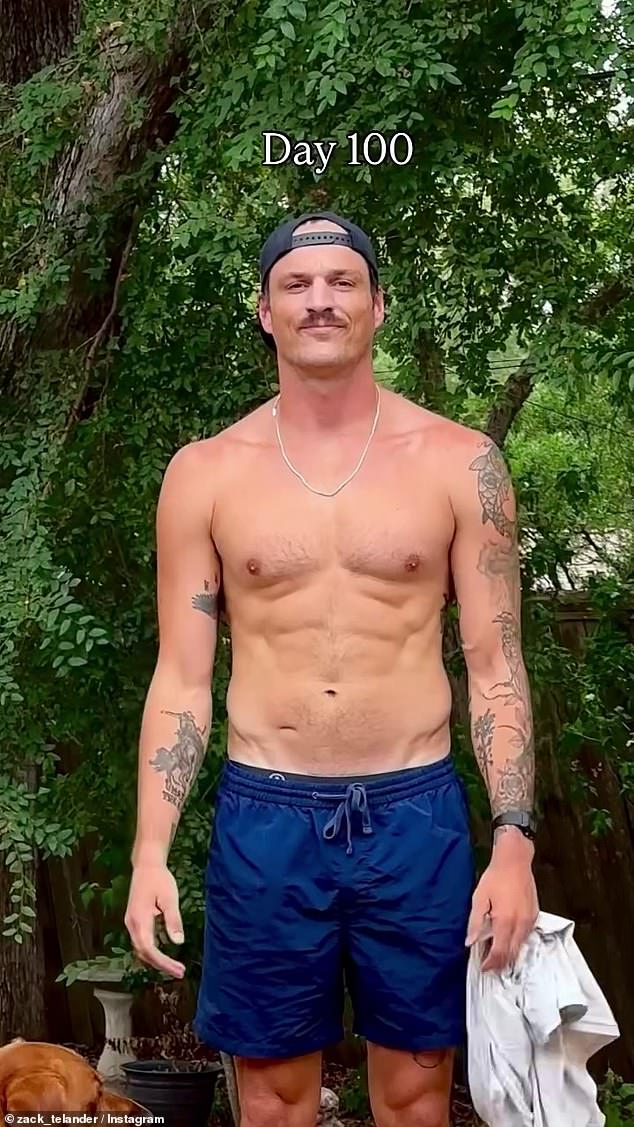
A new father from Texas has unveiled a dramatic physical transformation after completing a demanding 100-day fitness challenge that saw him run one mile every single day. Zack Telander, a singer-songwriter, embarked on this ambitious journey with a specific goal: to shave 10 seconds off his mile time with each consecutive run. The results, documented and shared with his followers, showcase not only a more toned and defined physique but also significant improvements in cardiovascular health and faster recovery times.
Telander began his challenge with a modest aim: to run a “very slow” ten-minute mile. This was a stark contrast to his previous fitness routine, as he had not run further than 20 meters in the month prior to starting. The inspiration for this unique challenge struck him on June 1st, shortly after the birth of his daughter. Recognizing that his newfound parental responsibilities would drastically reduce his available time for longer workouts, he conceived of a daily, manageable running goal.
“I thought, ‘man, it would be really cool to run a mile in 10 minutes today, and then try a mile in 9 minutes 50 seconds tomorrow, 9 minutes and 40 seconds the following day’,” Telander explained. “Essentially dropping 10 seconds each day until I can’t do anymore. And then within an hour, I was at the track running.”
Despite a background in heavy lifting, Telander harbored some uncertainty about how this intense running regime would impact his bodybuilding progress. He initially suspected that the cardio-focused challenge might counteract his strength training efforts.

On his very first attempt, Telander clocked an impressive 9 minute and 43 second mile. He described this initial success as a result of not overthinking his approach. “This was before I had a chance to overthink my programme—before I had a chance to worry about my optimal pace. I just started running and boom,” he shared with his 200,000 Instagram followers. He noted that his goal was to achieve a 10-minute mile without any strain, and he had already surpassed that.
What began as a short-term commitment quickly gained momentum. “The cool thing is, it made me run 22 days in a row, and after that I figured I might as well keep going,” he recalled. However, the initial ease of the challenge soon gave way to significant motivational hurdles.
“There were definitely days where I didn’t want to run,” Telander admitted. He found himself grappling with the temptation to skip a day, thinking, “no one is going to know if I didn’t do one of the days here—I could still say that I did the streak.”
Ultimately, his internal accountability proved to be the most powerful motivator. “But I would know. And I just saying that was really effective—I immediately put my shoes on and was like, alright, let’s go.”
The impact on his weightlifting routine was noticeable. Telander found that his running quickly became the priority, which meant less time and energy for the gym. He explained, “Yesterday, I ran 12 x 400 metre sprints at a pretty fast pace, with only a minute in between, and I didn’t even think about going to the gym later that night, so I think that’s more of what’s affected.”
He further elaborated on his evolving relationship with strength training: “I come from a background of spending a lot of time in the gym. And I think there’s no way I can be that strong and run the way that I want to. But, I don’t think it’s negating my lifting that much—I just don’t care as much as I once did about lifting.”
After reaching the 100-day milestone, Telander unveiled his transformation on Instagram, accompanied by a before-and-after video. He captioned the post: “100 days of running in a row. I ate more, slept less (we had a baby) but managed to change my body a little bit. Here’s to 101!”
His future plans involve continuing his running regimen to further improve his speed, increase his training volume, and enhance his recovery times, all while integrating it with his existing gym routine.


“After 100 days I feel great, and I will keep going because I worked this hard to gain this ability,” Telander stated. “When I started, I couldn’t run at this pace that I’m running at for longer than a mile and a half or two miles, and now I feel like I can keep going and going. And it would be a shame if I just decided I was done and lost that ability. So I don’t know how much longer I’ll be able to do this, but I don’t see it stopping anytime soon.”
The health implications of physical inactivity are well-documented. Sedentary lifestyles, characterized by a lack of cardiovascular exercise, have been linked to a range of serious health issues, including heart disease, type 2 diabetes, and certain types of cancer. While intense, short-term fitness challenges can yield visible results, experts also caution against their potential dangers. Over-exercising can lead to inflammation and prolonged recovery periods.
Conversely, regular running is widely recognized as an effective method for improving cardiovascular and pulmonary health. It can also contribute significantly to weight management when combined with a balanced diet. Furthermore, evidence suggests that running can enhance bone density in some individuals, potentially helping to combat conditions like osteoporosis. Like many forms of physical activity, running also offers substantial benefits for mental well-being.
The World Health Organization (WHO) recommends that most adults engage in at least 150 minutes of moderate-intensity or 75 minutes of vigorous-intensity exercise per week. Running is classified as a vigorous activity. In many developed nations, including the UK, sedentary work environments and lifestyle habits contribute to significant public health concerns. The WHO estimates that physical inactivity is responsible for approximately 2 million deaths globally each year, positioning it as a leading cause of death and disability worldwide.