
Justice Prevails: Acquittal for Joseon Communist Party Case Mastermind After 79 Years
In a landmark decision that has resonated through South Korea’s legal history, Lee Gwan-sul, who was once accused of masterminding a significant counterfeit currency operation and subsequently executed, has been posthumously acquitted. The verdict, delivered 79 years after the initial incident, marks a profound turning point in a case that has long been a subject of historical debate and injustice.
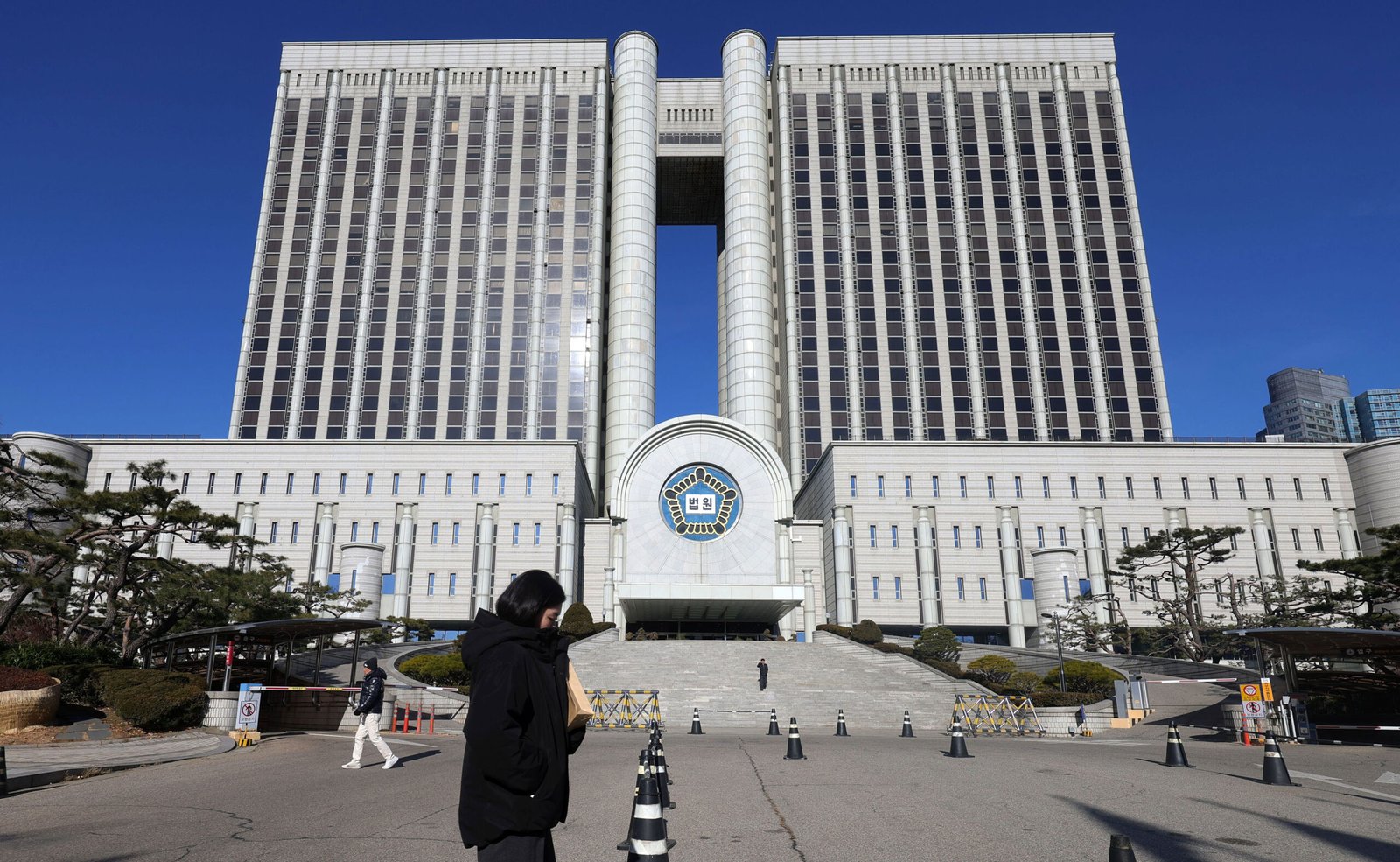
The Seoul Central District Court’s Criminal Division 21, presided over by Judge Lee Hyun-bok, declared Lee Gwan-sul not guilty during a retrial. Lee had been handed a life sentence on charges that included currency counterfeiting. The court acknowledged the gravity of the situation, stating before the ruling, “We hope this verdict will bring some comfort to Lee Gwan-sul and his family.”
The Infamous Joseonjeongpansa Counterfeit Currency Case
The case, known as the Joseonjeongpansa Counterfeit Currency case, centered on allegations that Lee and his associates engaged in the printing of 12 million won in counterfeit bills on six separate occasions. These alleged activities took place between October 1945 and February 1946, utilizing the facilities of the Joseonjeongpansa printing press. The stated purpose behind this operation was to generate funds for the activities of the Joseon Communist Party.
Lee Gwan-sul was identified as the ringleader of this operation. In 1946, the U.S. Military Government’s Gyeongseong District Court sentenced him to life imprisonment. Tragically, he was executed in 1950 while serving his sentence at Daejeon Prison.
A Long Road to Retrial and Exoneration
The path to justice for Lee Gwan-sul was a lengthy and arduous one, initiated by his granddaughter, Son Ok-hee. In July 2023, she formally filed for a retrial. The court approved the commencement of this retrial in October of the same year, over two years and three months after the initial filing. During the final hearing on the 15th of the month preceding the verdict, the prosecution itself recommended an acquittal for Lee.
Legal Re-evaluation: The Admissibility of Evidence
A crucial aspect of the retrial revolved around the admissibility of evidence. The court’s final determination hinged on the fact that the confessions of co-defendants, which had been instrumental in the original guilty verdict, were obtained under circumstances of illegal police detention. Consequently, these confessions were deemed inadmissible.
While the Constitution and the detailed rules of evidence within the Criminal Procedure Act had not yet been formally established at the time of the original trial, the court emphasized the existence of established legal norms. The court stated, “The Chosun Criminal Order limited the detention period of judicial police to 10 days, and even then, a general legal order requiring adherence to due process under the law was normatively formed.”
Furthermore, the court asserted the applicability of modern legal standards to historical verdicts. It concluded, “We judge that the evidence rules under the Republic of Korea’s Constitution and Criminal Procedure Act can be directly applied to retrials of U.S. Military Government verdicts.” This decision underscores a commitment to re-evaluating past judgments through the lens of contemporary legal principles and human rights standards.
The Aftermath: Tears of Relief and Historical Reflection
The announcement of the not-guilty verdict was met with resounding applause in the courtroom, a testament to the emotional weight of the proceedings. Following the ruling, Son Ok-hee expressed her profound gratitude, stating, “I am grateful that South Korea has acquitted him after nearly 80 years.”
Her statement also highlighted the broader historical implications of the case. “This case was the first instance of the U.S. Military Government suppressing the people to protect its political stance,” she remarked. “I hope this verdict becomes an opportunity to erase all traces of such history.”
The acquittal of Lee Gwan-sul not only rectifies a historical injustice against an individual but also serves as a critical moment for national reflection on the tumultuous post-war period and the exercise of power by occupying authorities. It is a powerful reminder that the pursuit of truth and justice can, and indeed must, transcend the passage of time.