Nation to Observe Shab-e-Meraj on January 16
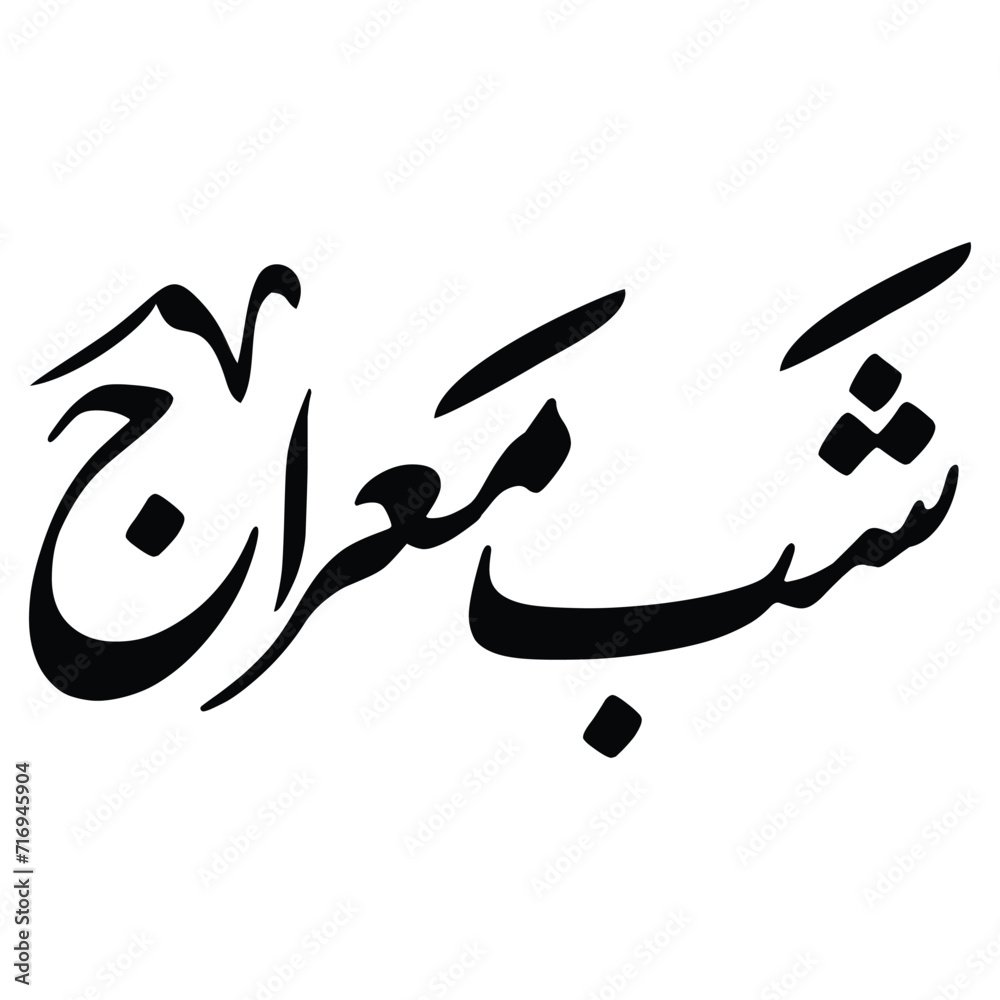
The observance of Shab-e-Meraj, a significant night in Islamic tradition, will take place across the nation on the night of Friday, January 16. This decision was formally made during a meeting of the National Moon Sighting Committee, which convened on Sunday evening at the Islamic Foundation office located in Baitul Mukarram. The proceedings were presided over by Religious Affairs Adviser AFM Khalid Hossain.
Shab-e-Meraj, commemorating the miraculous night journey of Prophet Muhammad (peace be upon him), occurs annually on the 26th night of the month of Rajab. This celestial voyage is believed to be a pivotal event where the Prophet ascended to the heavens to commune directly with Allah.
The Sacred Journey and Divine Revelation
The spiritual significance of Shab-e-Meraj lies in the profound encounter between Prophet Muhammad (pbuh) and the Divine. According to Islamic accounts, during this extraordinary journey, the Prophet was transported on a celestial steed known as “Buraq.” This mystical mode of transport carried him through the heavens, culminating in a divine audience with Allah.
It was during this sacred communion that Allah bestowed upon the Prophet specific divine instructions, primarily concerning the fundamental tenets and practices of prayer (Salat). These instructions were to be conveyed back to the believers, serving as a foundational guide for their spiritual lives and their connection to the Almighty. The five daily prayers, a cornerstone of Islamic worship, are understood to have been divinely ordained during this momentous occasion.
The observance of Shab-e-Meraj is marked by a variety of religious activities undertaken by Muslims worldwide, including Bangladesh. Devotees often spend the night in prayer, contemplation, and remembrance of Allah. Many mosques and Islamic centers organize special gatherings where sermons are delivered, recounting the events of the Meraj and emphasizing its spiritual lessons.
Key Aspects of Shab-e-Meraj Observance:
- Night Vigil: Many Muslims engage in a night-long vigil, dedicating their time to prayer (Namaz), recitation of the Quran, and Dhikr (remembrance of Allah). This is seen as an opportunity to seek divine blessings and forgiveness.
- Fasting: While not obligatory, some devout individuals choose to fast on the day preceding Shab-e-Meraj, following the practice of the Prophet.
- Special Prayers: Specific supererogatory prayers are often performed during the night of Meraj, with the intention of drawing closer to Allah.
- Sermons and Lectures: Religious scholars and imams deliver lectures and sermons in mosques and community centers, educating the congregation about the historical and spiritual importance of the Meraj. These gatherings often highlight the lessons of perseverance, faith, and the significance of prayer.
- Acts of Charity: Many Muslims also engage in charitable deeds and acts of kindness during this blessed night, seeking to earn divine favor through their generosity.
The decision by the National Moon Sighting Committee ensures that the country can collectively prepare for and observe this significant religious event with clarity and unity. The meeting, chaired by Religious Affairs Adviser AFM Khalid Hossain, underscores the importance placed on religious observances and the coordination required for their nationwide practice. The month of Rajab holds particular reverence in the Islamic calendar, and Shab-e-Meraj stands out as one of its most spiritually charged nights.
The journey of the Prophet Muhammad (pbuh) on Buraq is a testament to the boundless power of Allah and the profound connection that can be forged between the Creator and His creation. The divine instructions received regarding prayer serve as a constant reminder of the obligation Muslims have to maintain their connection with Allah through regular worship. The observance of Shab-e-Meraj is therefore not merely a commemoration of a historical event, but a spiritual reawakening, urging believers to reflect on their faith and strengthen their devotion.
As the nation gears up for January 16, Muslims are expected to engage in profound acts of worship and reflection, seeking spiritual enlightenment and divine mercy on this blessed night. The collective observance reinforces the strong religious fabric of the country and provides an opportunity for spiritual rejuvenation for individuals and the community at large.