
Geopolitical Tensions and Diplomatic Shifts: Key Asian Developments
The past weekend saw a confluence of significant events across Asia and beyond, impacting international trade, diplomatic relations, and domestic policies. From China’s firm stance on sensitive religious and political matters to shifts in regional tourism and scientific talent, these developments underscore the dynamic nature of global affairs.
Mexico’s Tariff Imposition Disrupts North American Trade Routes
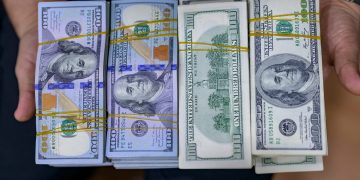
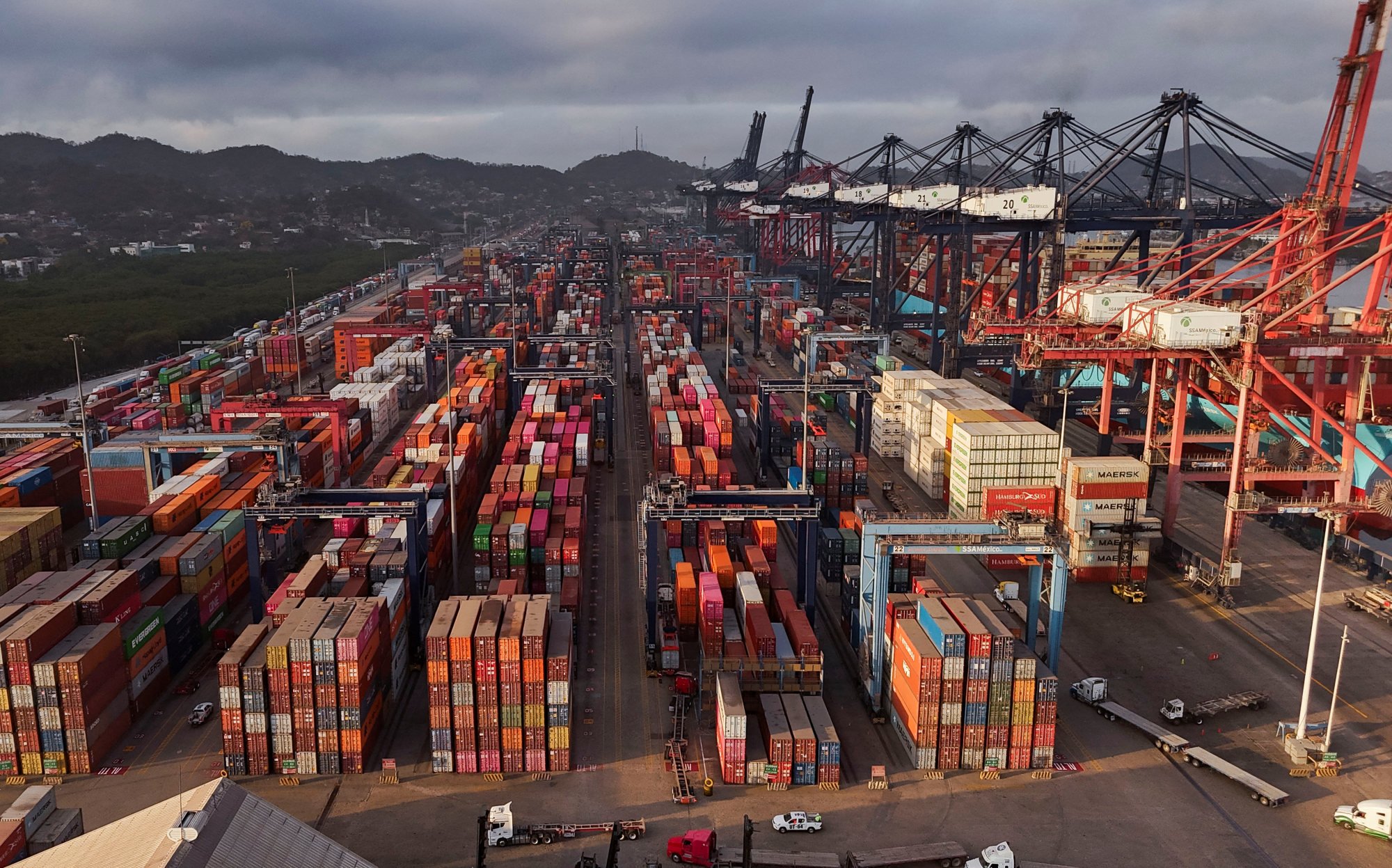
A sudden imposition of a 50% tariff by Mexico has sent shockwaves through Asian trade networks, particularly impacting established routes to North America. This unexpected move by the Mexican government has effectively disrupted a key strategy for Asian manufacturers looking to circumvent existing trade barriers and access the North American market. The tariff’s magnitude suggests a significant policy shift, potentially aimed at protecting domestic industries or renegotiating trade terms. For businesses in Asia that relied on Mexico as a strategic waypoint, this development necessitates a rapid reassessment of their supply chains and market access strategies. The long-term implications for regional trade flows and economic partnerships remain to be seen, but the immediate effect is a significant hurdle for businesses accustomed to a more predictable trade environment.
China Issues Stern Warning to India Over Dalai Lama Succession
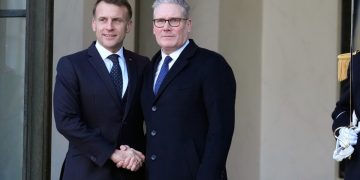
Beijing has issued a forceful warning to New Delhi regarding any potential involvement in the selection of the next Dalai Lama. China asserts that the reincarnation of the current Dalai Lama is a matter for the Tibetan Buddhist community and the Chinese government, and explicitly states that India should not interfere. This strong declaration highlights Beijing’s deep-seated sensitivity surrounding the spiritual and political leadership of Tibet. China views the Dalai Lama institution as a crucial element of its governance of the Tibetan Autonomous Region and is wary of any external influence that could challenge its authority or foster Tibetan separatism. The warning underscores the complex geopolitical dynamics at play, where religious and cultural issues are inextricably linked to national sovereignty and political control. India, which hosts a significant Tibetan exile community, finds itself in a delicate position, balancing its own foreign policy interests with the strong pronouncements from its powerful neighbor.

Hong Kong District Officer’s Formal Apology for Funeral Attire
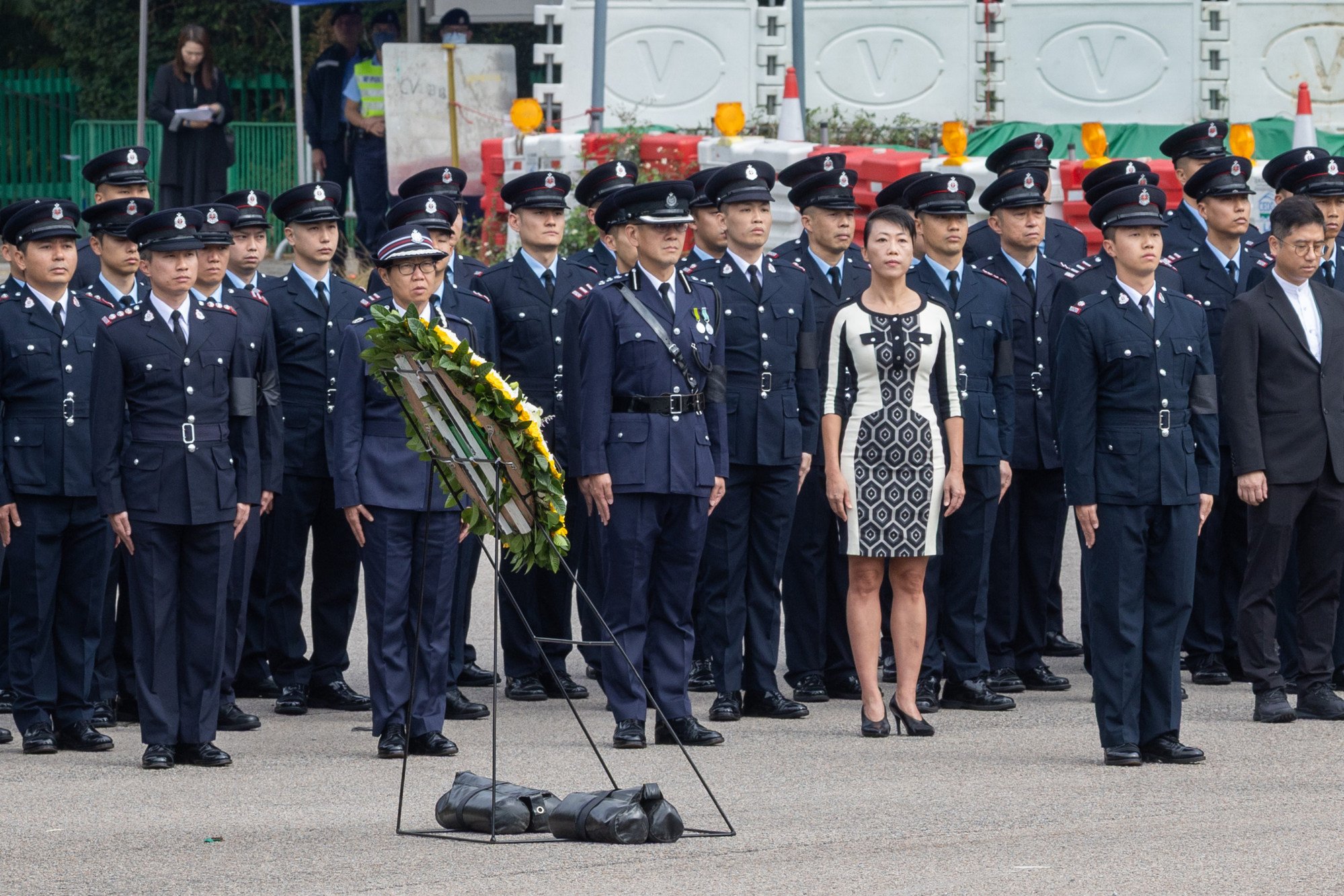
A Hong Kong district officer has issued a formal apology following public criticism of her attire at a firefighter’s funeral. The incident sparked a debate about public decorum and the appropriateness of clothing worn during solemn state occasions. The district officer’s choice of clothing was perceived by some as disrespectful to the memory of the deceased firefighter and the solemnity of the event. In response to the backlash, she expressed her regret and acknowledged the public’s concerns. This event serves as a reminder of the heightened public scrutiny faced by government officials and the importance of maintaining a perception of sensitivity and respect in all public engagements. It also reflects the ongoing cultural nuances and expectations that shape public perception within Hong Kong’s unique socio-political landscape.
Thailand’s Tourism Sector Faces Mounting Challenges
Thailand’s once-dominant tourism industry is experiencing a significant downturn, with its coveted “tourism crown” beginning to slip. A confluence of factors, including economic headwinds, increased regional competition, and emerging domestic issues, is contributing to the decline. While Thailand has long been a premier destination for global travelers, a combination of factors is now impacting its appeal. These challenges suggest that the kingdom may need to adapt its tourism strategies to remain competitive in a rapidly evolving global travel market. The economic reliance on tourism means that these troubles in paradise have broader implications for the nation’s economy and its citizens.

Leading mRNA Vaccine Expert Relocates from US to China
A prominent expert in mRNA vaccine technology, Hu Haitao, has reportedly left the United States to take up a position in China. This move signifies a potential shift in the global landscape of cutting-edge biotechnology research and development. Hu Haitao’s expertise is highly sought after, particularly in the wake of the rapid advancements in mRNA vaccine technology seen during the global pandemic. His relocation to China could bolster the country’s capabilities in this critical scientific field. The decision to move, as described, suggests a belief that the opportunities or environment for his research are more conducive in China. This development also raises questions about the global competition for scientific talent and the strategic importance of advanced biotechnology for national development and security.

These diverse events, spanning trade policy, international diplomacy, public conduct, economic trends, and scientific migration, collectively paint a picture of a rapidly changing Asian and global landscape. Staying informed about such developments is crucial for understanding the interconnectedness of modern international relations and the forces shaping our world.