
Integrated Care System to Revolutionize Senior Support in South Korea
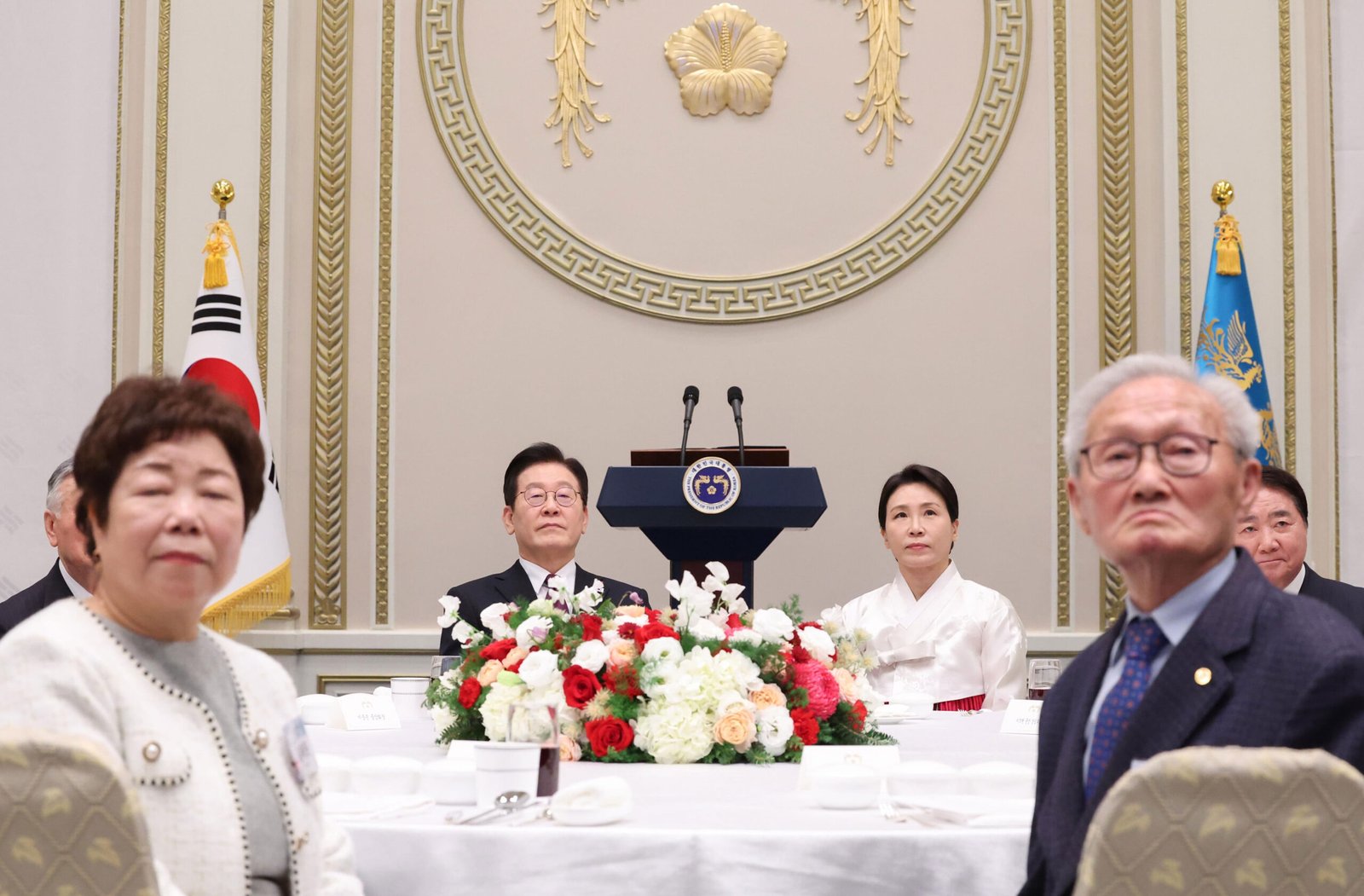
Seoul, South Korea – South Korea is set to implement a comprehensive “community-based integrated care system” nationwide starting March of next year, aiming to provide seniors with seamless access to medical, long-term care, and caregiving services within their own communities. This significant policy shift was announced by President Lee Jae-myung during a luncheon hosted for executives of the Korean Senior Citizens Association at the Cheong Wa Dae guesthouse.
The gathering, attended by approximately 190 individuals including Lee Jung-geun, chairman of the Korean Senior Citizens Association, and various provincial union presidents, coincided with the winter solstice, or Dongji. The event was a poignant reminder of the nation’s evolving demographic landscape and the growing importance of its senior population.
President Lee underscored the critical juncture South Korea has reached, officially entering the ranks of a “super-aged society” in 2025. This designation signifies that individuals aged 65 and older now constitute over 20% of the total population. He stressed that the challenges and opportunities presented by this demographic shift necessitate a fundamental reevaluation of national policies.
“Policies for seniors are now policies for all citizens,” President Lee declared, emphasizing that the well-being of the elderly is intrinsically linked to the prosperity and stability of the entire nation. He outlined several key pledges designed to bolster support for seniors:
- Pension Increase: A commitment to raising the basic pension, providing a greater financial safety net for older adults.
- Expanded Employment Opportunities: A significant expansion of senior job opportunities, with a target of creating a record 1,150,000 positions. This initiative aims to foster continued engagement and economic contribution from seniors.
- Health Insurance for Long-Term Care: A phased approach to applying health insurance coverage to nursing care costs incurred in long-term care hospitals, easing the financial burden on families.
The President also took the opportunity to reflect on recent national events, referencing the “emergency martial law incident” from the previous year. He stated that South Korea, having achieved the status of an advanced nation, “narrowly escaped the brink of becoming a backward country” and has since returned to a stable trajectory. He attributed this recovery, encompassing the economy, people’s livelihoods, and democracy, to the “sacrifices and dedication of our seniors,” expressing profound gratitude for their contributions.
Responding to the President’s address, Lee Jung-geun, chairman of the Korean Senior Citizens Association, conveyed his appreciation for the government’s commitment. He hailed the integrated care system as a crucial step towards realizing the association’s long-standing vision of “home-based end-of-life care.” This system, he explained, will empower seniors to receive essential services without the need for disruptive relocation.
Chairman Lee also put forth a significant request on behalf of the association, urging the re-designation of “UN Day” as a public holiday. This proposal aims to commemorate the 60 countries that provided vital assistance to South Korea during the Korean War in 1950 and to serve as a constant reminder of the enduring value of peace.
The luncheon itself was marked by a sense of shared purpose and tradition. A placard bearing the poignant message, “The Path Traveled by Seniors, the Path We Will Continue,” was prominently displayed. In keeping with the winter solstice tradition, attendees were served red bean porridge, a customary dish for the occasion.
Notable figures present at the event included Jeong Eun-kyeong, Minister of Health and Welfare, and Kang Hoon-sik, Chief of Staff to the President, underscoring the high-level attention and commitment dedicated to addressing the needs of South Korea’s aging population. The implementation of the community-based integrated care system represents a forward-looking strategy to ensure dignity, support, and quality of life for seniors as the nation navigates its super-aged future.


