
South Korea Pledges Nationwide Integrated Care System for Seniors as Nation Enters Super-Aged Society
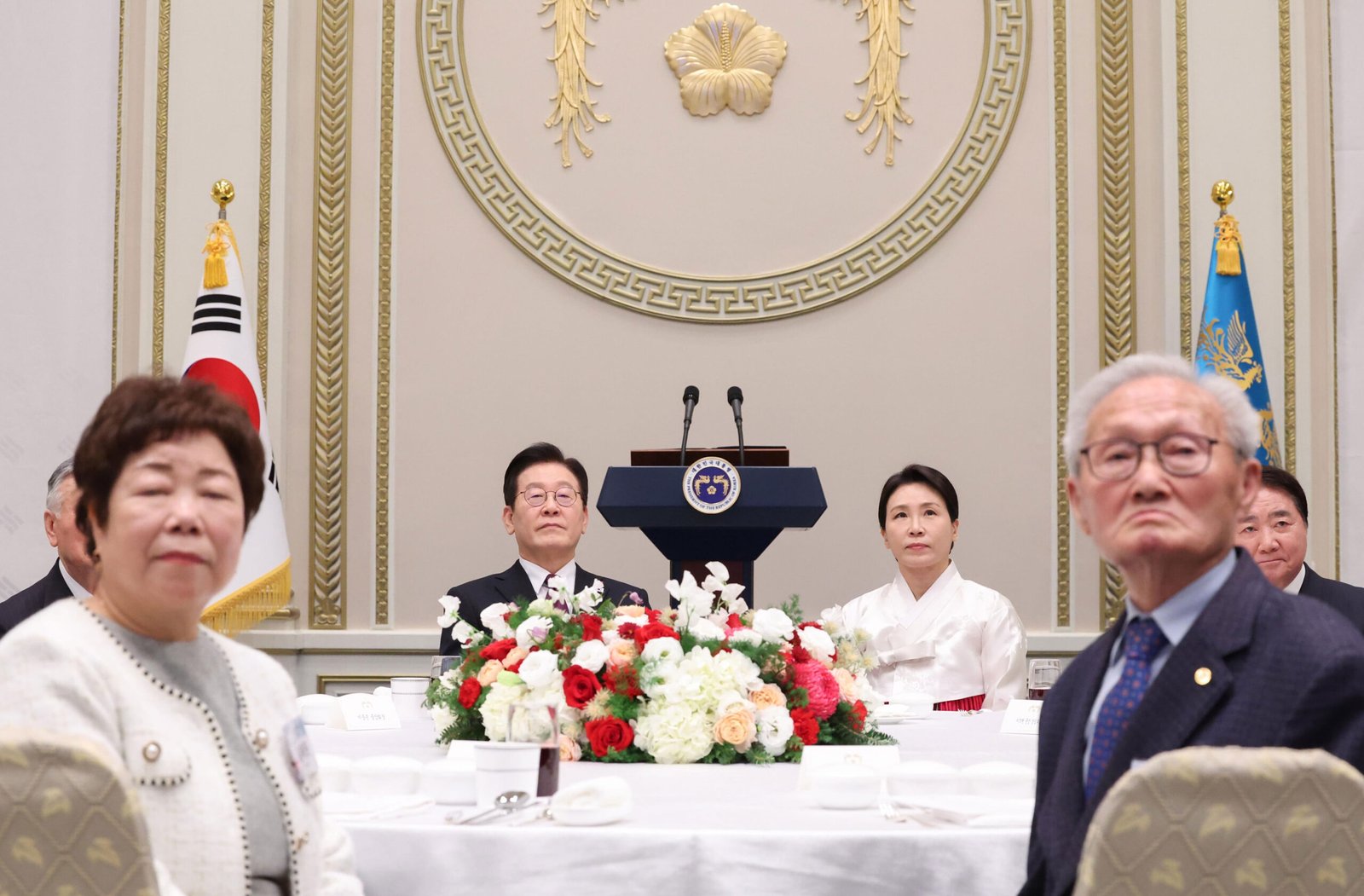
Seoul, South Korea – President Lee Jae-myung has announced the forthcoming nationwide implementation of a “community-based integrated care system,” set to launch in March of next year. This landmark initiative aims to ensure that elderly citizens can seamlessly access medical, long-term care, and caregiving services within their own communities. The announcement came during a special luncheon hosted at the Cheong Wa Dae guesthouse, bringing together President Lee and approximately 190 executives from the Korean Senior Citizens Association, including Chairman Lee Jung-geun and various provincial union presidents.
The gathering, held to commemorate the winter solstice (Dongji), also served as a platform for President Lee to address the nation’s rapidly evolving demographic landscape. He underscored that South Korea has officially entered a “super-aged society” in 2025, a milestone characterized by individuals aged 65 and older comprising over 20% of the total population. This demographic shift, he emphasized, necessitates a fundamental reevaluation and overhaul of national policies.
“Policies for seniors are now policies for all citizens,” President Lee declared, highlighting the profound impact of an aging population on every facet of society. He outlined key government commitments aimed at supporting the senior demographic, including:
- Increased Basic Pension: A commitment to augment the basic pension, providing greater financial security for the elderly.
- Expanded Senior Employment Opportunities: A significant push to create a record-high of 1,150,000 job opportunities specifically tailored for seniors.
- Health Insurance for Long-Term Care: The gradual application of health insurance coverage to nursing care costs incurred in long-term care hospitals, alleviating financial burdens.
The President also took the opportunity to reflect on the nation’s recent journey, referencing the previous year’s “emergency martial law incident.” He stated, “South Korea, which had risen to the ranks of advanced nations, narrowly escaped the brink of becoming a backward country due to the sudden martial law last year and has returned to a normal track.” He attributed this recovery in the economy, people’s livelihoods, and democracy to the “sacrifices and dedication of our seniors,” expressing profound gratitude for their contributions.
A Foundation for Home-Based Care and Peace
In his address, Chairman Lee Jung-geun of the Korean Senior Citizens Association expressed heartfelt thanks to the government for its commitment to the integrated care system. He described it as a crucial “foundation for realizing ‘home-based end-of-life care,’ which our association has long proposed.” This echoes a long-standing advocacy by the association for policies that allow seniors to receive comprehensive care in familiar surroundings, promoting dignity and comfort in their later years.
Chairman Lee also put forth a significant request to the government: the re-designation of “UN Day” as a public holiday. This proposal aims to honor the 60 countries that provided assistance to South Korea during the Korean War (6·25 War) in 1950 and to serve as a constant reminder of the enduring value of peace.
The luncheon itself was a symbolic occasion, marked by the display of a placard bearing the message, “The Path Traveled by Seniors, the Path We Will Continue.” Attendees were treated to patjuk, a traditional red bean porridge, in observance of the winter solstice. The event was attended by prominent figures, including Jeong Eun-kyeong, Minister of Health and Welfare, and Kang Hoon-sik, Chief of Staff to the President, underscoring the high level of national attention dedicated to senior welfare and the nation’s demographic future.
The impending nationwide rollout of the integrated care system signifies a proactive approach by the South Korean government to address the challenges and opportunities presented by its rapidly aging population. By focusing on community-based solutions and enhancing support systems, the nation aims to ensure a dignified and well-supported future for its senior citizens.


