

Beyond the Brown Leaves: A Realistic Guide for Malaysia’s Aspiring Plant Parents
Many of us have a silent graveyard of houseplants, a testament to good intentions and perhaps a touch too much optimism. If your home has witnessed more plant casualties than successes, you’re not alone. This isn’t a sign of personal failure, but rather a common journey of learning, often paved with yellowing leaves and wilting stems. The good news? It’s entirely possible to break the cycle and cultivate a thriving indoor green space, even in Malaysia’s unique climate.
The initial spark is always hope. You see a stunning fiddle-leaf fig on social media, envision it gracing your living room, and optimistically declare your space “full of light.” Then, reality sets in, and you find yourself frantically searching for answers to the perplexing question: “Why are my plant’s leaves turning yellow and judging me?” This guide aims to help you recognise the common pitfalls and cultivate a more successful relationship with your leafy companions.
Understanding Plant Needs: Love Isn’t Always Enough
It’s crucial to understand that plants operate on a different wavelength than we do. They don’t respond to being named, spoken to, or even misted with affection if those actions don’t align with their fundamental needs. Light, water, airflow, and, critically, not being waterlogged are paramount.
A common pitfall, especially in Malaysia’s consistently humid environment, is overwatering. Soil here retains moisture for significantly longer periods than in drier climates. As one Klang Valley-based plant seller observed, many customers believe their plants died from neglect, when in reality, it was a case of “too much affection.” If your instinct is to reach for the watering can every time you feel a pang of guilt for neglecting your plant, take a deep breath and pause. Plants are far more tolerant of a little thirst than they are of perpetually saturated roots, which can lead to root rot and a swift demise.
Choosing the Right Green Companions
The allure of aesthetically striking plants can be a trap for beginners. Dramatic calatheas with their finicky leaves, the ubiquitous fiddle-leaf fig, or rare variegated specimens that rival the cost of a short getaway are not entry-level plants. They demand a specific set of conditions: consistent light, precise watering schedules, controlled humidity, and a certain level of emotional resilience from their caretaker.
For those still finding their green thumb, opt for plants renowned for their resilience rather than their dramatic flair. Consider the following forgiving varieties:
- Snake Plants (Sansevieria): These architectural beauties are incredibly tough, tolerating low light and infrequent watering. They are also excellent air purifiers.
- Pothos (Epipremnum aureum): Available in various cultivars, pothos are vining plants that are remarkably adaptable. They can thrive in a range of light conditions and will often tell you when they need water by drooping slightly.
- ZZ Plants (Zamioculcas zamiifolia): With their glossy, dark green leaves, ZZ plants are exceptionally drought-tolerant due to their rhizomatous root system, which stores water. They can survive long periods without water and in low-light environments.
- Spider Plants (Chlorophytum comosum): These easy-to-care-for plants produce “spiderettes” or baby plants, making them fun to propagate. They prefer bright, indirect light but can tolerate lower light levels.
These low-maintenance champions are the backbone of a successful beginner plant collection. They can withstand missed waterings, inconsistent care routines, and the occasional plant-parent existential crisis. A significant advantage for Malaysian homes is that these plants generally cope well with the prevailing heat and humidity, giving you a head start.
Illuminating Your Plant’s World: The Importance of Light
Water issues are a common culprit for plant demise, but insufficient light is often an equally significant, albeit slower, killer. Many houseplants languish in spaces that appear bright to us but are, in fact, too dim for plants to photosynthesise effectively. If you find yourself needing to switch on a lamp to comfortably read in a particular spot, your plant is likely struggling to perform its basic life functions there.
Ideally, position your plants near south-facing windows, which provide the most consistent and beneficial light. North-facing windows will require more attention and potentially supplemental lighting. If natural light is a limitation, investing in affordable grow lights is a far more economical and effective solution than repeatedly replacing deceased plants while insisting the room is “sunny enough.”
Navigating the Digital Jungle: Social Media Plant Hacks
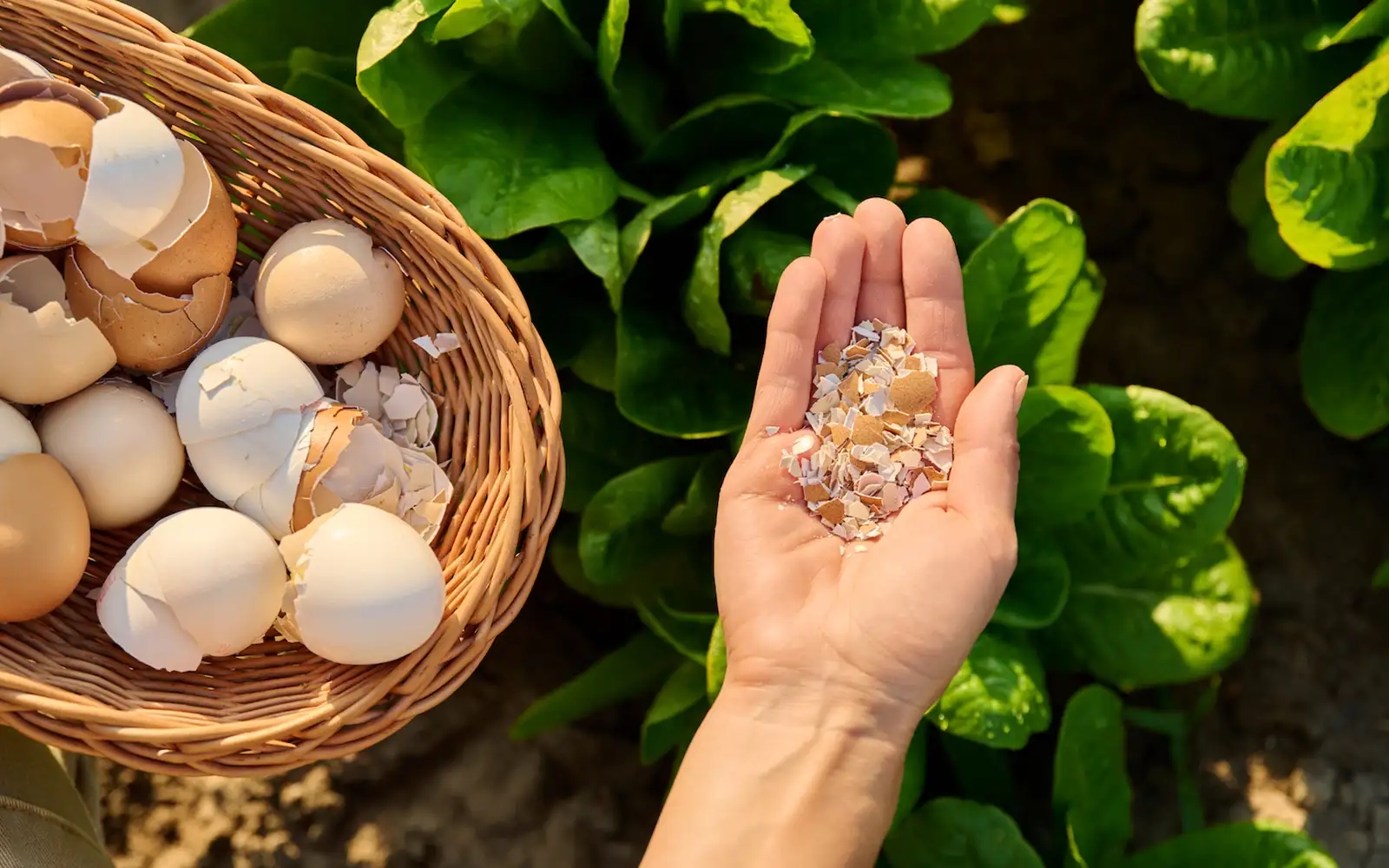
The internet is awash with plant care “hacks” – from repotting with banana peels and eggshells to using moon-charged water. While these ideas might seem innovative, most plants thrive on simplicity and consistency. Their needs are generally met with proper drainage holes in their pots, a decent quality potting mix, and sparingly applied, correct fertiliser.
When in doubt, always prioritise straightforward care advice from reputable local nurseries or experienced horticulturalists over viral online trends. These sources offer practical, tested guidance tailored to the realities of plant care.
Managing Expectations: Redefining Success
The goal of a home jungle, a perfectly coordinated plant shelf, or a vast collection of thriving specimens isn’t a prerequisite for being a successful plant parent. Instead, aim for a more achievable milestone: keeping one plant alive and healthy for six months. This is a perfectly respectable accomplishment and a solid foundation for growth.
Even seasoned plant enthusiasts in Malaysia face challenges like pests, unpredictable weather shifts, or simply unfortunate timing that can lead to plant loss. The key differentiator is perspective. Experienced growers view plant deaths as learning opportunities, gathering information to improve their care, rather than as personal failures.
A New Definition of Plant Parenthood Success
A thriving plant doesn’t need to possess the flawless aesthetic often showcased on social media. The appearance of new leaves is a cause for celebration. Stable, green foliage is a sign of health. Simply not actively dying is progress in itself. In the realm of plant care, success is often subtle, gradual, and a testament to patient observation.
If you find yourself consistently struggling, there’s no shame in exploring alternative paths to plant companionship. Propagating cuttings from friends’ healthy plants is a fantastic way to start with established, resilient specimens. Placing plants outdoors, where natural conditions are often more forgiving, can also yield positive results. Alternatively, commit to nurturing just one robust, resilient plant that can become your long-term green companion.
Remember, being a serial houseplant killer doesn’t mean you’re destined for botanical failure. It simply indicates you’re on a learning curve, perhaps with a few more brown leaves in your wake than you’d hoped. But unlike the plants you’ve cared for, that journey of learning is genuine growth.


