
Calls to Criminalise Flag Desecration Gain Momentum in Australian Parliament
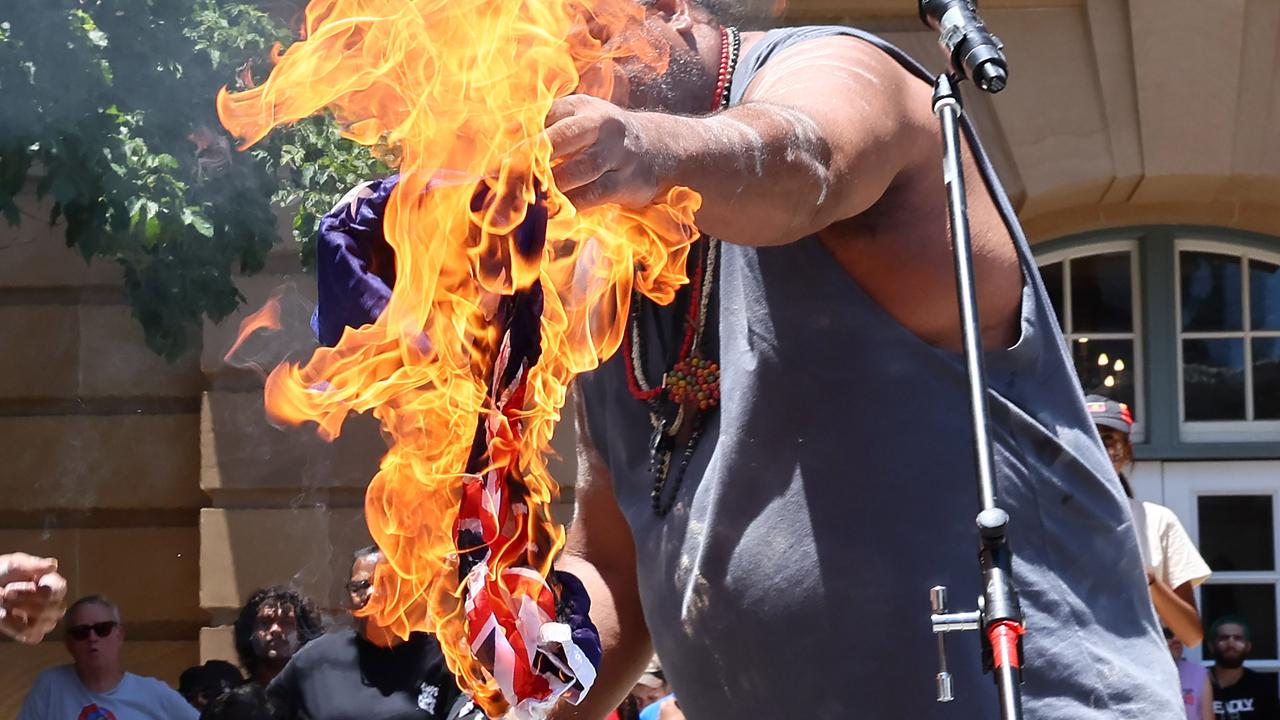
Recent events, including the burning of the Australian National Flag at an Invasion Day demonstration, have spurred two Members of Parliament to introduce legislation aimed at criminalising such acts. The proposed bills seek to establish severe penalties for desecrating national symbols, sparking a national conversation about respect, protest, and national identity.
Nationals MP Proposes Strict Penalties for Flag Burning
Nationals backbencher Pat Conaghan has taken the lead by introducing an amendment to the Criminal Code that would outlaw the “burning, destruction, desecration or other serious dishonouring of the Australian National Flag or the Australian Red Ensign.” The Australian Red Ensign serves as Australia’s official maritime flag.
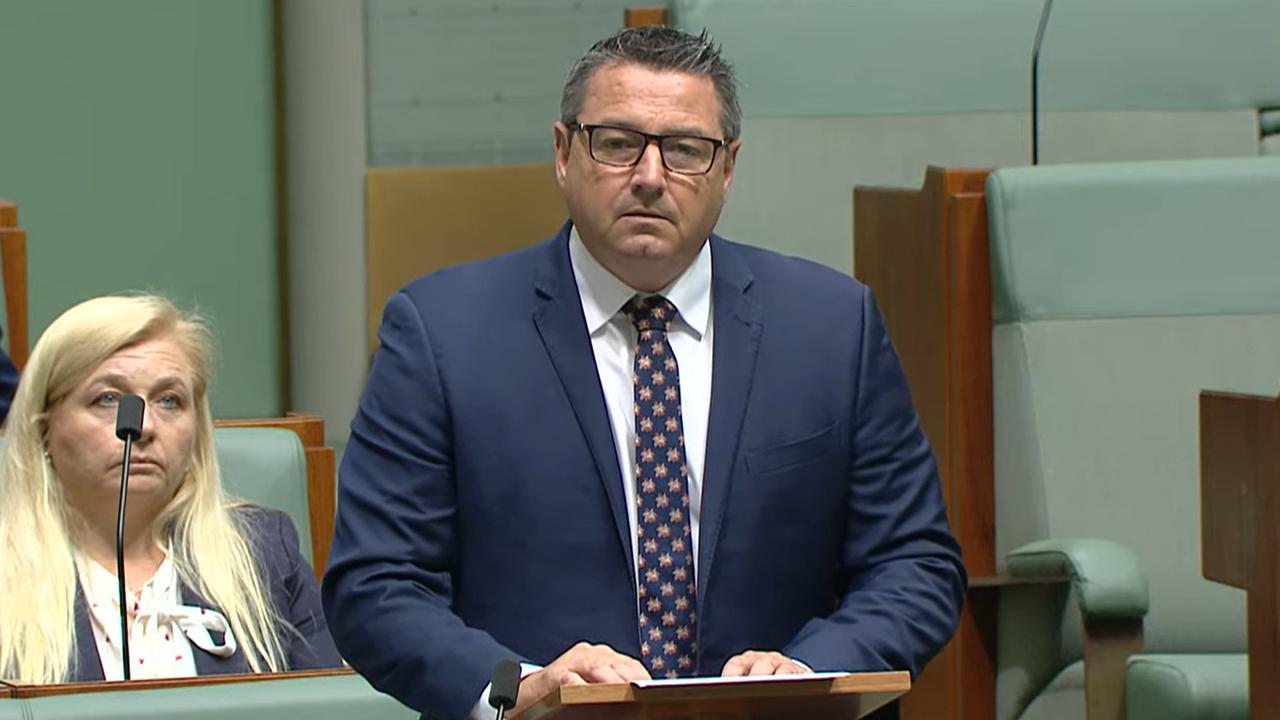
Mr. Conaghan stated on Monday that his bill is a response to the sentiments of “millions of Australians” and proposes “serious consequences to those who act against it.” Addressing the House of Representatives, he emphasised that national flags are more than mere abstract concepts or political props.
“They are national symbols earned through sacrifice, service and a shared history,” Mr. Conaghan asserted. “And when those symbols are burned or deliberately desecrated, it is not an act of harmless protest. It is an act that strikes at the heart of our nation, our respect and our cohesion. That is why we must seriously consider making the burning or desecration of the Australian flag and the Australian Ensign a criminal offence.”
The proposed amendment outlines significant penalties for offenders. A first-time offence could result in a fine of up to $16,500 or a custodial sentence of up to 12 months. For subsequent offences, the penalties escalate, with a mandatory minimum sentence of 12 months imprisonment. Furthermore, the legislation includes provisions for the cancellation of visas for non-citizens convicted of such offences.
Independent MP Broadens Scope to Include Indigenous Flags
Adding further weight to the movement, independent MP Rebekha Sharkie has introduced a similar bill that extends its protections to include the Aboriginal and Torres Strait Islander flags, alongside the Australian National Flag. This inclusive approach aims to afford equal respect to all three national emblems.
Ms. Sharkie’s bill proposes a maximum penalty of two years imprisonment for a first offence, with any subsequent offences carrying a minimum sentence of one year. She highlighted that criminalising the burning of national flags is a common practice in many countries globally.
“Burning a national flag is a criminal offence in many nations,” the centrist MP remarked. She provided a comprehensive list of countries where such acts are prohibited, including:
- Europe: France, Germany (up to three years), Italy, Switzerland, Spain, Poland.
- Asia: India, the Philippines, Singapore, South Korea.
- Middle East: Israel.
- The Americas: Argentina, Brazil, Cuba, Mexico, Nicaragua.
- Oceania: New Zealand, where it carries a fine of up to $5,000.

Ms. Sharkie expressed surprise that the current Albanese government did not support an opposition amendment to its anti-hate law reforms, which would have made burning the Australian flag a criminal offence. “The government didn’t accept that,” she stated, adding that the government “rejected that amendment.”
“So this bill actually seeks to bring us all together to look at all three national flags and say the same rule should apply,” Ms. Sharkie explained. “And it also draws a line in the sand that says this behaviour is unacceptable.”
Both bills are slated for debate in Parliament on Tuesday, marking a significant moment in the discussion surrounding national symbols and the boundaries of protest in Australia. The introduction of these bills reflects a growing sentiment that while freedom of expression is a cornerstone of Australian democracy, it should not extend to acts that are perceived to deliberately undermine national unity and respect for shared heritage. The parliamentary discussion is expected to explore the complexities of balancing these fundamental principles.


