
A Growing Concern in Modern Europe
The current state of modern Europe has sparked significant debate among analysts and journalists. One such voice is Avi Lipkin, a journalist who has described the continent as a “sinking ship.” His concerns are rooted in the increasing presence of Islamic populations and the perceived threats they pose to the traditional European nation-state model.
Lipkin’s comments highlight a growing sense of instability within the region. He suggests that this instability is not just a political issue but also a social one, with far-reaching implications for the future of Europe. According to him, the coalition of European nations is being challenged by the sheer size of the Islamic population, which he believes is undermining the stability of the region.
The Impact on Jewish Communities
One of the most notable effects of this instability is the movement of Jewish communities from the UK to Israel. Lipkin has pointed out that many Jewish people are leaving the UK due to what he describes as an increasingly unstable and dangerous environment. This exodus reflects a broader trend of concern among Jewish populations, who feel that their safety and security are at risk.
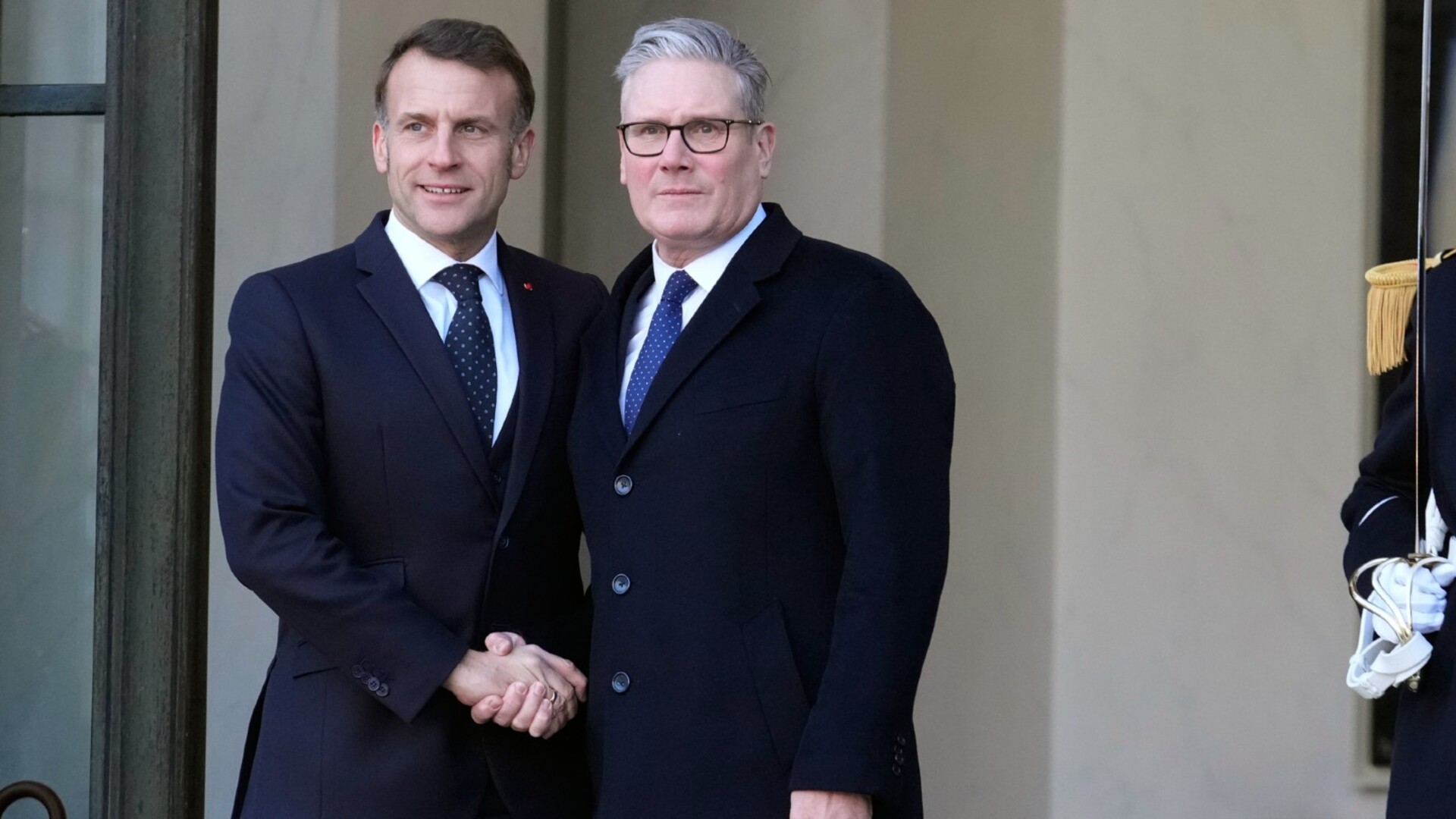
In an interview with Sky News Digital Presenter Gabriella Power, Lipkin emphasized that the situation in the UK is particularly worrying. He noted that the current leadership under Keir Starmer is taking a different approach compared to the classical British model. This shift towards the left, according to Lipkin, has contributed to the perception of instability.
Leadership and Political Shifts
Similarly, French President Emmanuel Macron is also seen as moving towards the left, which Lipkin argues is exacerbating the challenges faced by Europe. From the perspective of Israel, this political shift is viewed as a sign that Europe is becoming neutralized. The idea of Europe as a “sinking ship” is not just about economic or social factors, but also about the loss of traditional values and the influence of external forces.
This perspective is not without controversy. Many argue that the portrayal of Islamic populations as a threat is an oversimplification of complex issues. However, Lipkin’s views reflect a growing sentiment among certain groups who feel that the cultural and political landscape of Europe is changing rapidly.
The Role of Media and Public Perception
The media plays a crucial role in shaping public perception of these issues. Journalists like Lipkin have the power to influence how people understand the challenges facing Europe. Their reports can either amplify fears or provide a more balanced view of the situation.
It is important to note that the narrative surrounding Islamic populations in Europe is often shaped by political agendas and media coverage. This can lead to a distorted understanding of the realities on the ground. While some may see the growth of Islamic communities as a threat, others view it as a natural part of demographic change and cultural evolution.
Conclusion
As Europe continues to grapple with its identity in the face of global changes, the concerns raised by figures like Avi Lipkin are likely to remain relevant. The interplay between political shifts, cultural dynamics, and public perception will shape the future of the continent. Whether Europe is indeed a “sinking ship” or simply navigating through turbulent waters remains a subject of intense debate.


