Miniature Marvels: How Tiny Horses Offer Profound Healing and Companionship
In an era grappling with escalating mental health challenges and the poignant isolation experienced by many, a remarkable initiative is bringing comfort, connection, and hope through an unexpected source: miniature horses. These pint-sized equines, often underestimated for their diminutive stature, are proving to be powerful therapeutic allies, offering solace and support to individuals across a spectrum of needs.
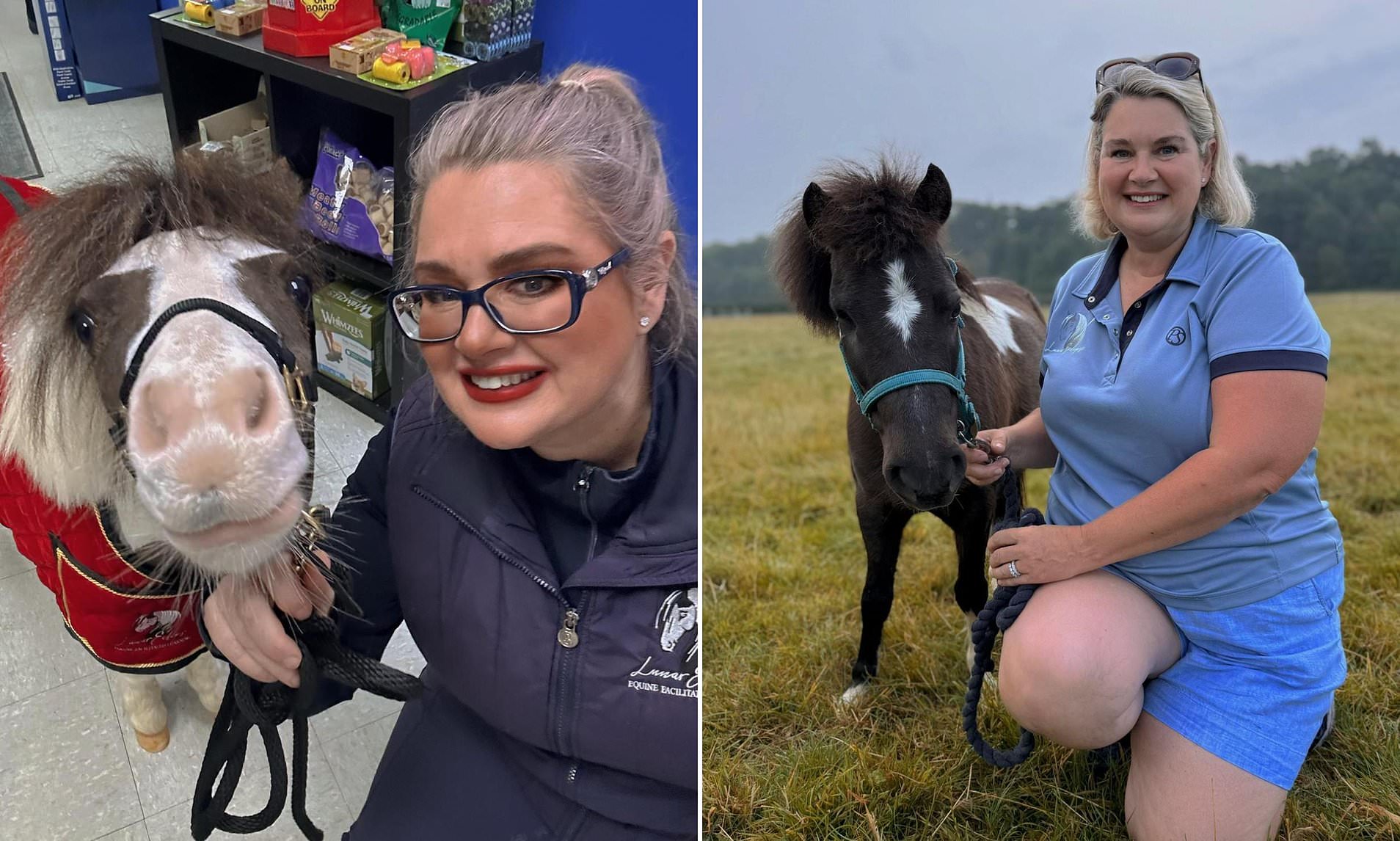
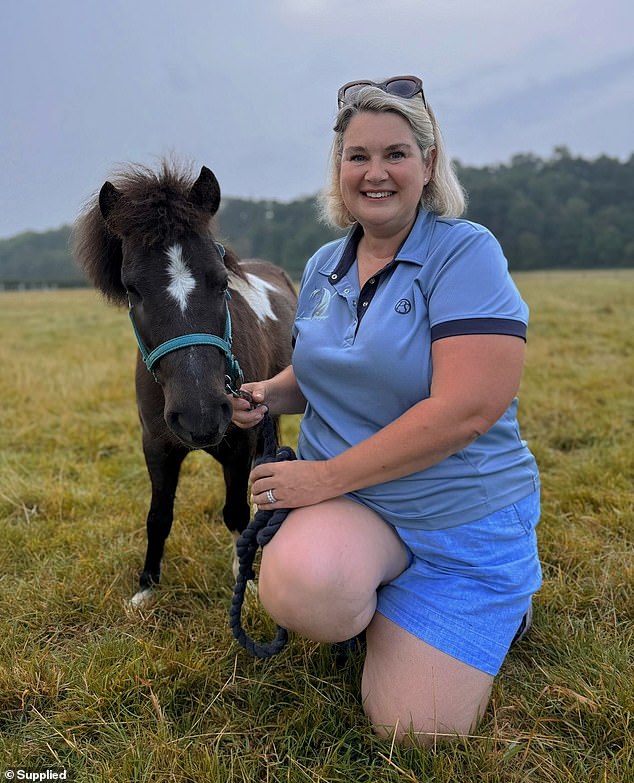
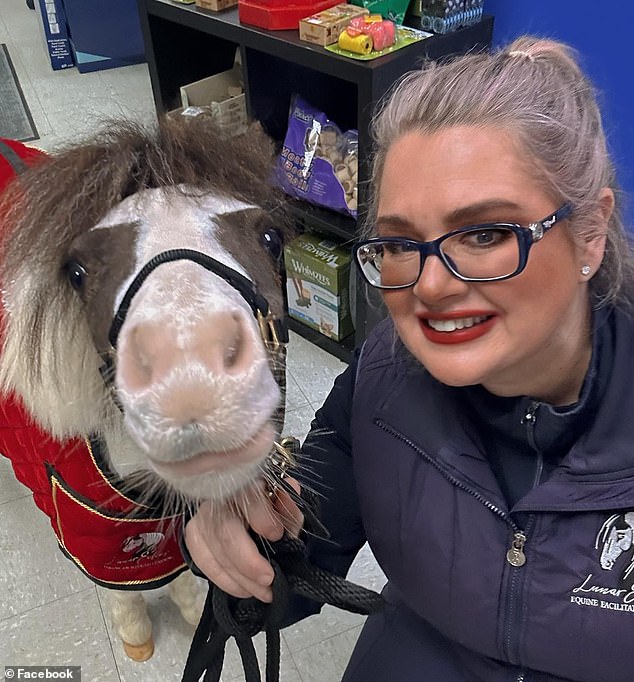
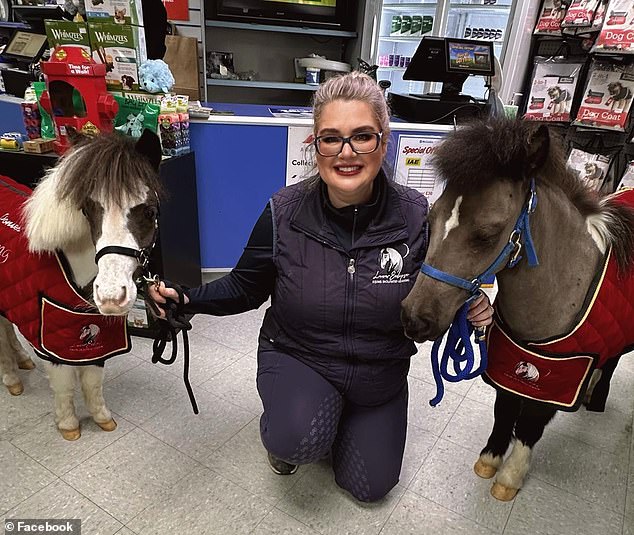
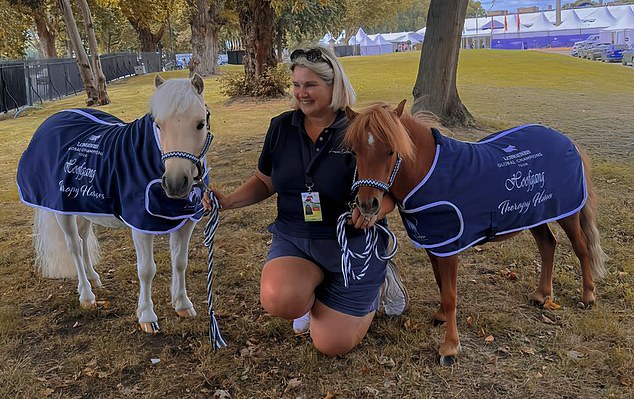
Cherene Robertson, a former NHS medic from Scotland, leads a dedicated team of ten highly trained miniature horses, affectionately dubbed her “hoof gang.” This unique ensemble embarks on a mission to schools, universities, and care homes nationwide, leaving a trail of transformed lives in their wake. Robertson firmly believes her four-legged “staff” can provide invaluable support to anyone in distress, from anxious students and children on the autism spectrum to individuals facing life-altering diagnoses.
“There is something about a horse that no other animal has,” Robertson explains. “While all animals possess therapeutic benefits, a horse operates on an entirely different level when it comes to what they do for you. They help you navigate through a bad day, and they are simply incredible beings.”
In 2021, Robertson, 53, established Lunar Eclipse, a non-profit organisation committed to redefining the landscape of equine-facilitated learning and wellness.
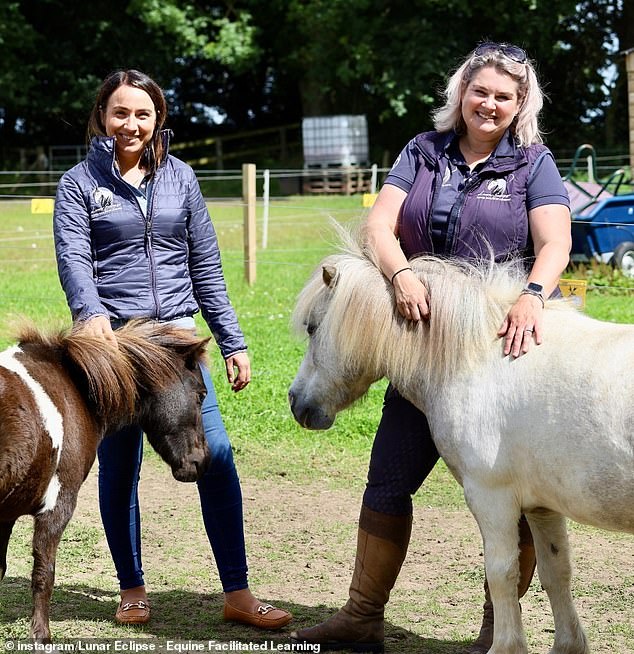
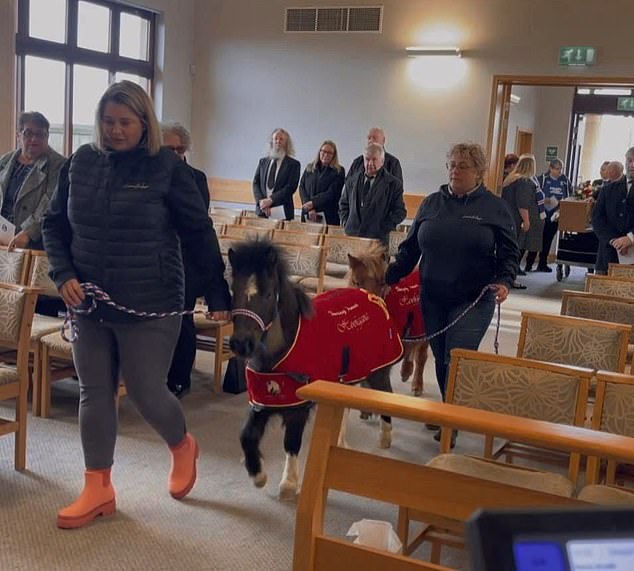
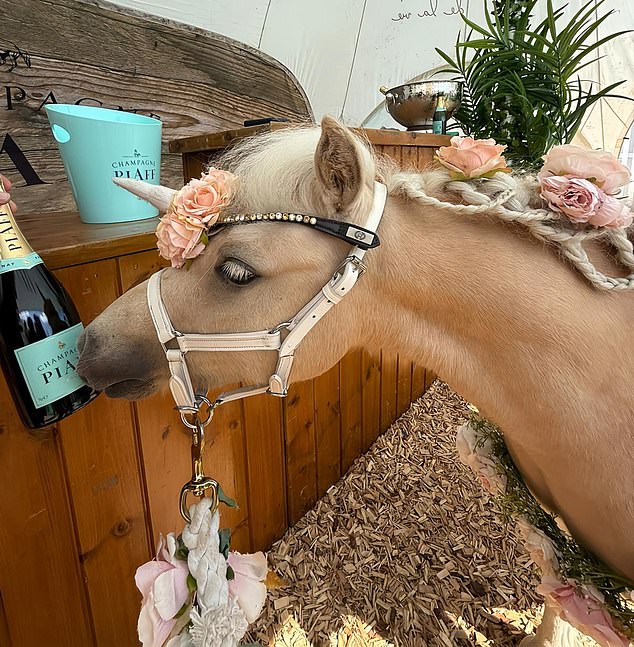
Each member of her “hoof gang” undergoes rigorous, specialised de-sensitisation training. This crucial preparation equips them to remain calm and composed in noisy or unpredictable environments, ensuring they are well-prepared for their important work. While they may be small, each horse possesses a distinct and significant personality. One notable member, a tiny Falabella, is even renowned for his penchant for watching Netflix.
Robertson’s equine companions each have their own unique quirks and designated roles. However, one horse, Apollo, an American miniature horse, stands out for what Robertson describes as his “very special gift.”
“He visits care homes, schools, and events, and he instinctively seeks out someone who needs him more than anyone else,” she shared.
The profound extent of Apollo’s abilities became strikingly evident when he formed an extraordinary bond with a terminally ill care home resident named Stuart.
“Apollo simply walked in quietly, his little hooves making a soft sound on the floor, and suddenly a massive smile spread across Stuart’s face,” Robertson recounted. “Apollo went straight to him, nudged his muzzle into the crook of Stuart’s neck and shoulder, and just snuggled in, breathing softly on him.”
She added, “You could see the biggest change. Stuart suddenly seemed so much calmer, so much more relaxed.”
Apollo’s visit had a deeply impactful effect on Stuart. The connection was so profound that Stuart expressed a wish for the tiny horse to be with him during his final moments. When Robertson received the urgent call that Stuart’s time was short, she immediately dropped everything and rushed to ensure Apollo could be there. She vividly recalls the miniature horse trotting through the care home corridors, as if sensing the critical urgency of the situation. Tragically, they arrived just as Stuart had passed away.
Despite the timing, care home staff graciously allowed Apollo into the room to say his farewell, understanding the deep significance he held for Stuart.
“We went in to pay our last respects to Stuart, and Apollo just snuggled right into him; he seemed a bit confused,” Robertson recalled. Stuart had no immediate family, and Robertson believes the miniature horse provided him with “immense comfort” in his final days, preventing him from facing death entirely alone.
Weeks later, Robertson received another poignant request – an honour for Apollo to serve his friend one last time.
“They asked if I would do them the honour of walking Stuart down to his final resting place with his best friend,” she said. “They asked us to walk alongside the hearse. And when Stuart’s coffin was being taken out of the hearse, Apollo went over and touched the coffin with his muzzle.”
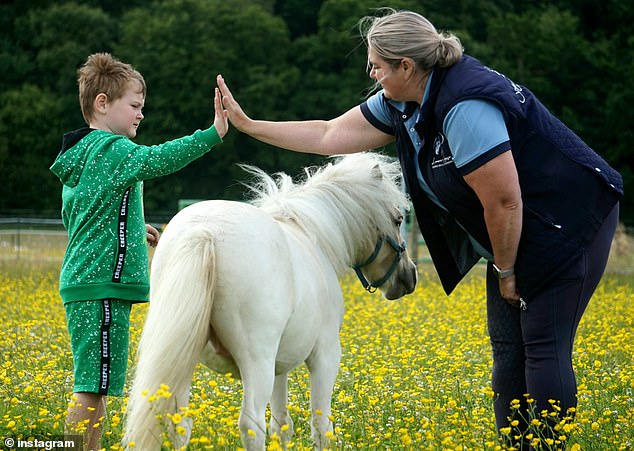
Apollo is not the only one of Robertson’s horses to have made a life-altering difference. She believes Bubbles, a British miniature horse, played a pivotal role in helping a non-verbal child, Conor, find his voice.
“There was a little boy we started to see at school who showed great interest in the horses,” Robertson explained. “He had very limited speech, but he went home and said ‘horses, horses,’ and his mum and dad were absolutely astonished.”
Conor’s mother later shared with Robertson, “I’ve never known my son to first of all come home and tell me anything about school, let alone keep talking about horses.”
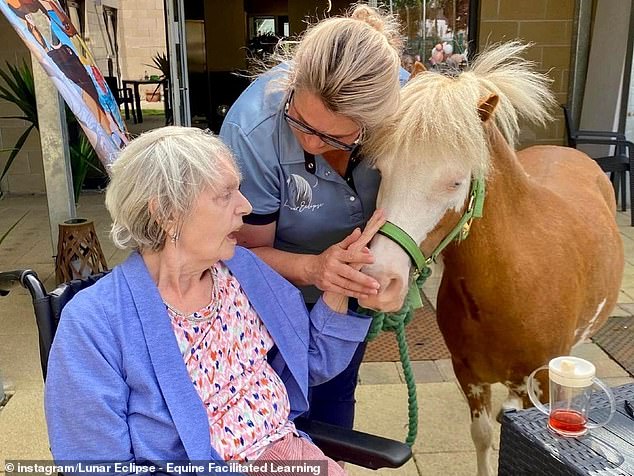
Arrangements were subsequently made for Conor to visit the horses regularly. The pair quickly developed an “incredible bond,” and before long, Conor’s communication skills saw rapid improvement.
“Every time he came, there was another leap of progress, and another leap, and another leap. Now, Conor can understand much more about past, present, and future tense,” Robertson observed. “He can engage in much more structured conversations.”
These miniature horses, through their gentle presence and remarkable empathy, are demonstrating that profound healing and unwavering companionship can indeed come in the smallest of packages, equipped with four tiny hooves and a gentle mane.