
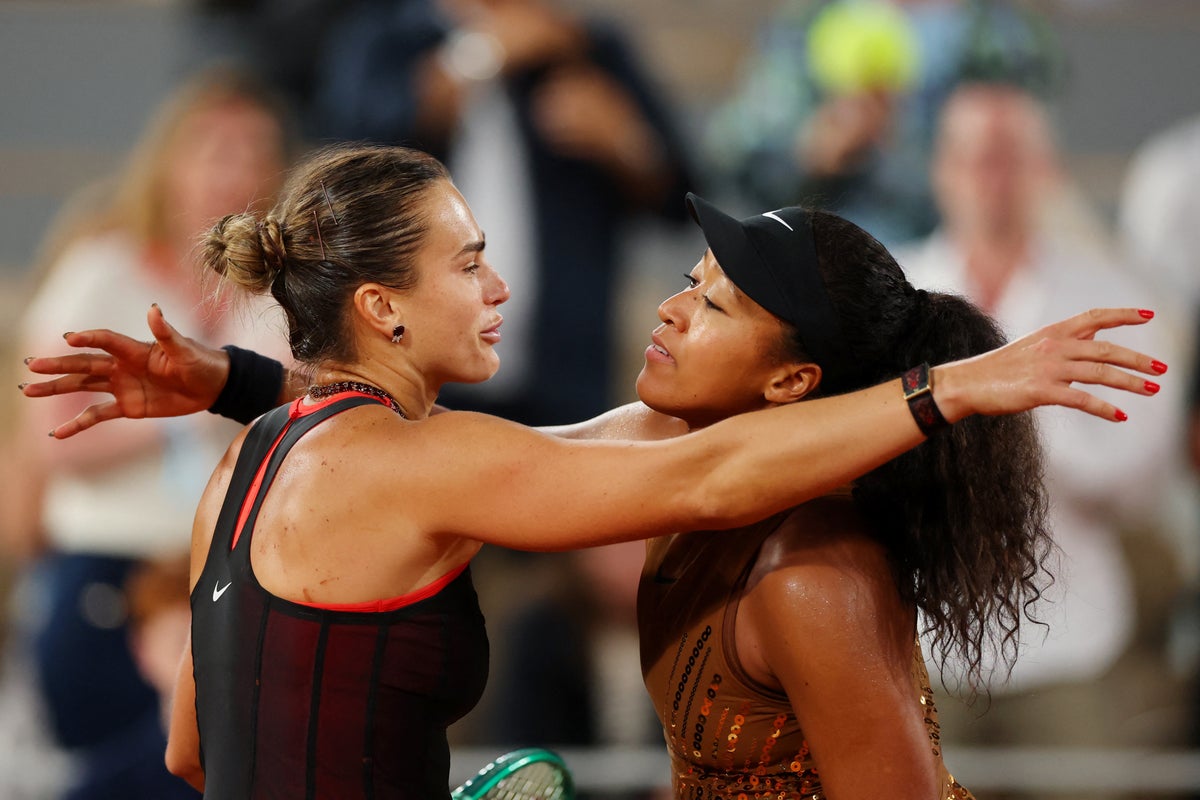
Sabalenka Steals the Spotlight in Rare Parisian Night Session
The iconic Court Philippe Chatrier was bathed in the glow of the Parisian night, a rare and welcome stage for women’s tennis as world number one Aryna Sabalenka seized the opportunity. For the first time in three years, and only the fifth instance since the introduction of the single-match night session in 2021, a women’s contest was granted centre court billing, breaking a streak of 33 consecutive men’s matches under the lights at Roland Garros.
Sabalenka’s commanding performance against four-time Grand Slam champion Naomi Osaka in the fourth round was undoubtedly one of the tournament’s most anticipated encounters. Despite the high stakes and the considerable talent on display, Osaka, a formidable opponent, found herself outplayed, succumbing to a 7-5, 6-3 defeat in a brisk one hour and 27 minutes.
This victory marks a significant milestone for Sabalenka, extending her remarkable streak of reaching at least the quarter-finals in her last 14 major tournaments. With a maiden French Open title now firmly within her sights, the Belarusian powerhouse is demonstrating formidable consistency on the Grand Slam stage.
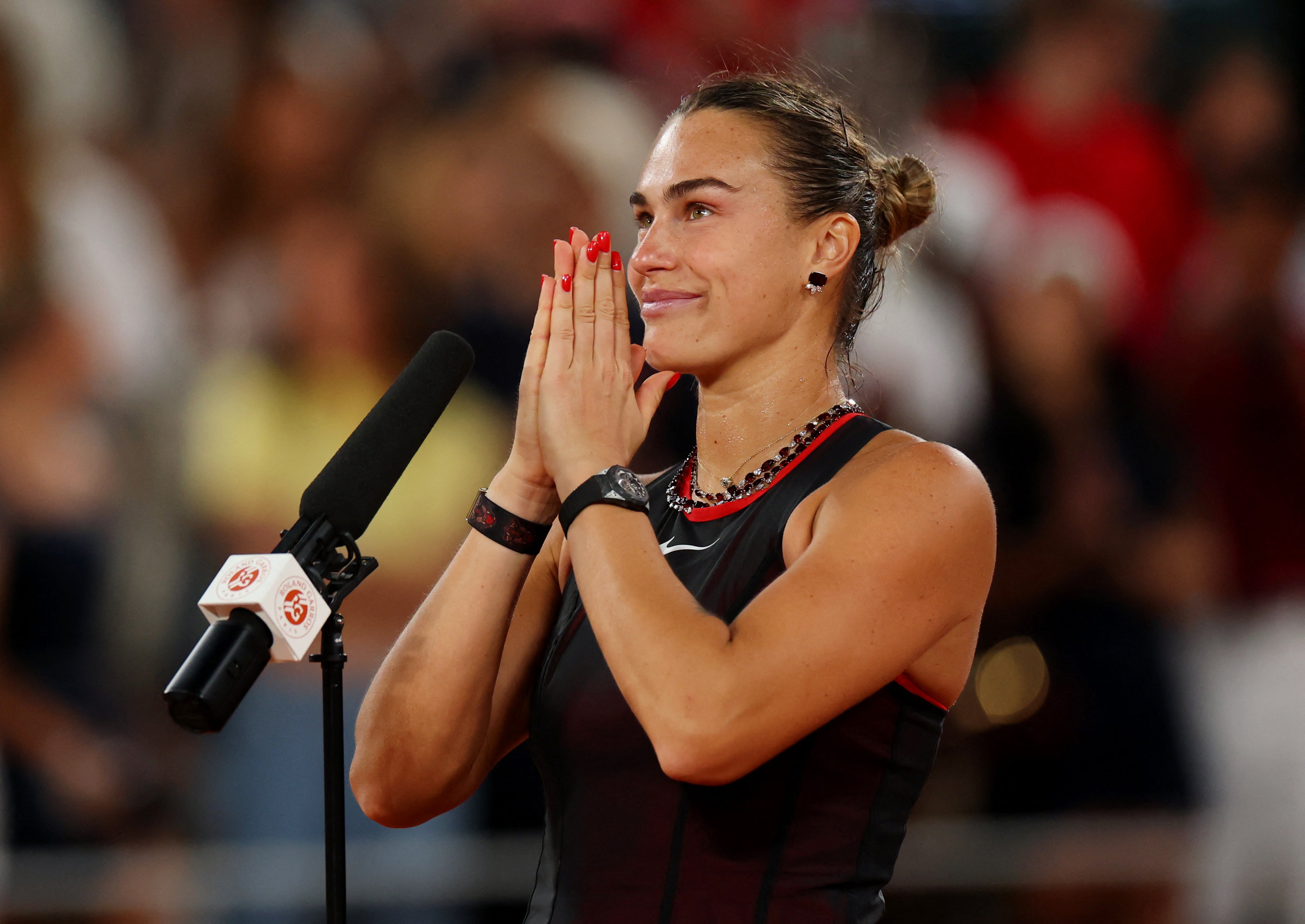
“She’s such a great player, always tough battles against her,” Sabalenka commented after the match, reflecting on her opponent. “I’m mostly happy the way I served and I was able to put the pressure back on her. It’s amazing to play in the night session in front of you all.”
The decision to schedule this women’s match during the coveted night session has been a point of discussion, with Tournament Director Amélie Mauresmo previously citing concerns over the duration of women’s matches and ensuring value for ticket holders as reasons for their infrequent inclusion. While both the Australian and US Opens regularly feature two women’s matches in their evening schedules, Roland Garros organisers have historically aimed to avoid the late-night finishes that can sometimes occur at those events.
However, with the top half of the men’s draw having seen some of its expected star players depart, not allocating this high-profile match to prime time would have been a significant oversight, effectively closing the door on a prime-time opportunity for the women’s game. Mauresmo herself acknowledged the significance of the fixture, stating earlier in the day, “I think this match is the best match of the day. Multiple Grand Slam winners, so it was, for us, obvious this should be the night session.”
Interestingly, Sabalenka was also involved in the last women’s night match at Roland Garros in 2023, a match against Sloane Stephens that feels like a distant memory to the current world number one.
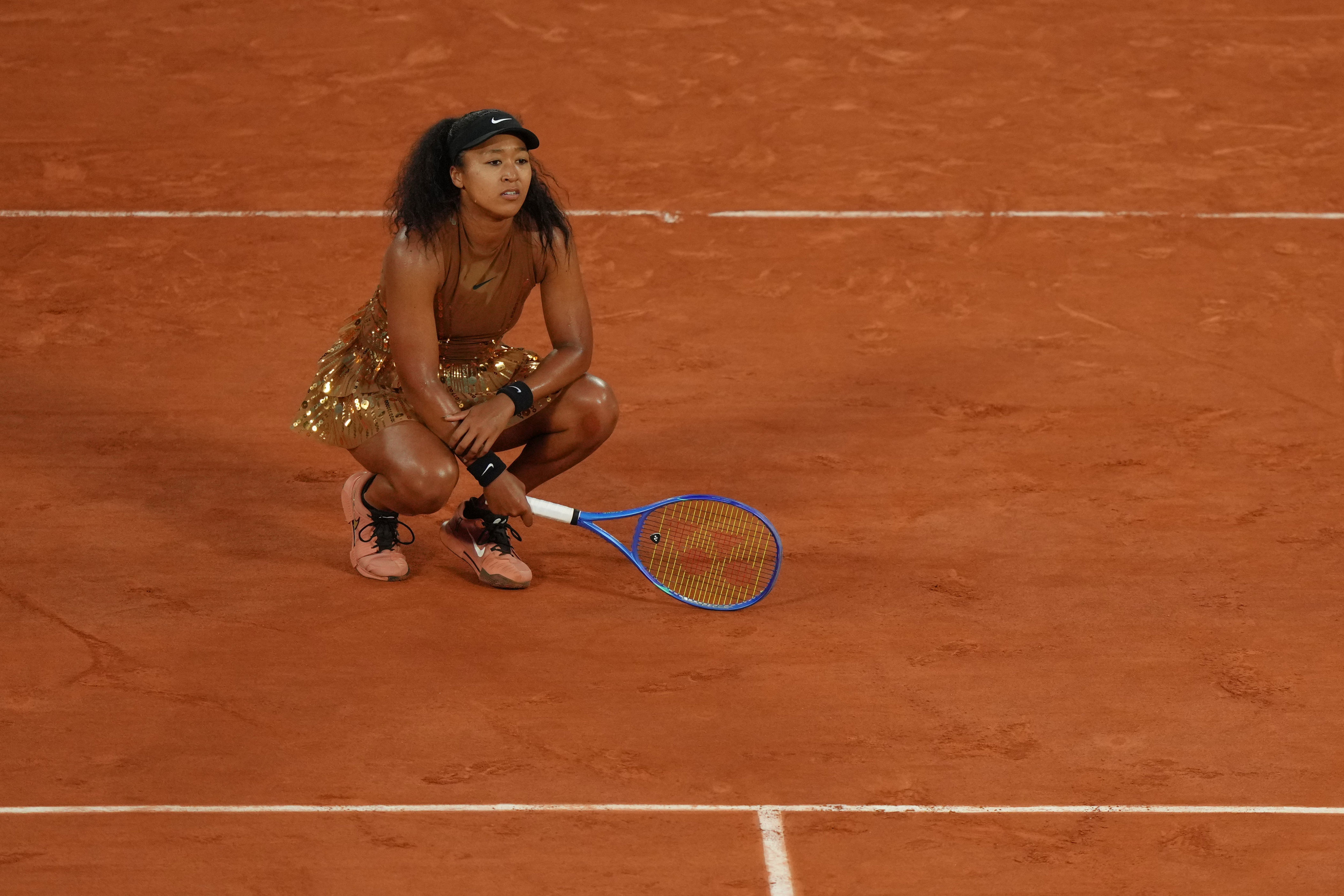
Osaka, who had reached the second week of the French Open for the first time, had previously defeated Sabalenka in their first encounter back in 2018, en route to her maiden Grand Slam title in New York. However, their rivalry has intensified this year, with two further meetings prior to this Parisian clash – at Indian Wells and on the clay courts of Madrid. Sabalenka emerged victorious from both of those encounters, a trend she continued in Paris.
Despite a slightly nervous start that saw Osaka gain an early 2-0 advantage, Sabalenka quickly began to assert her dominance. Osaka, renowned as one of the most powerful ball-strikers in the sport, found herself outgunned, particularly by Sabalenka’s potent backhand. The top seed also employed intelligent drop shots, keeping her opponent constantly guessing and on the defensive.
Osaka displayed remarkable resilience, holding firm until the crucial 11th game. A netted backhand from the Japanese star gifted Sabalenka the vital break, and the world number one capitalised, sealing the opening set with a decisive ace.
The capacity crowd on Court Philippe Chatrier were treated to a display of high-quality tennis, with Sabalenka in particular showcasing a relentless and formidable performance. She applied sustained pressure on Osaka, reeling off four consecutive games to comfortably secure her place in the last eight.
Sabalenka’s next challenge will be against Russia’s Diana Shnaider, who has reached her first Grand Slam quarter-final after a hard-fought 6-3, 3-6, 6-0 victory over former Australian Open champion Madison Keys.
Another intriguing quarter-final showdown will feature Russia’s 22nd seed, Anna Kalinskaya, against Polish qualifier Maja Chwalinska. Kalinskaya has matched her best Grand Slam performance by defeating Anastasia Potapova, the conqueror of Coco Gauff, in a tense deciding tie-break. Meanwhile, Chwalinska has carried the hopes of French tennis fans to a surprising extent, securing a 6-3, 6-2 victory over Diane Parry to advance.
Chwalinska’s journey has been remarkable, not just for her on-court success but also for her financial situation. Following her previous match, she revealed concerns about the cost of her extended hotel stay. However, her progress guarantees her a minimum prize money of €470,000 (approximately £406,000), a sum that represents an almost five-fold increase on her current career earnings.


