
Australia’s Risky Stance on Middle East Conflict: Experts Warn of Escalation and Legal Repercussions
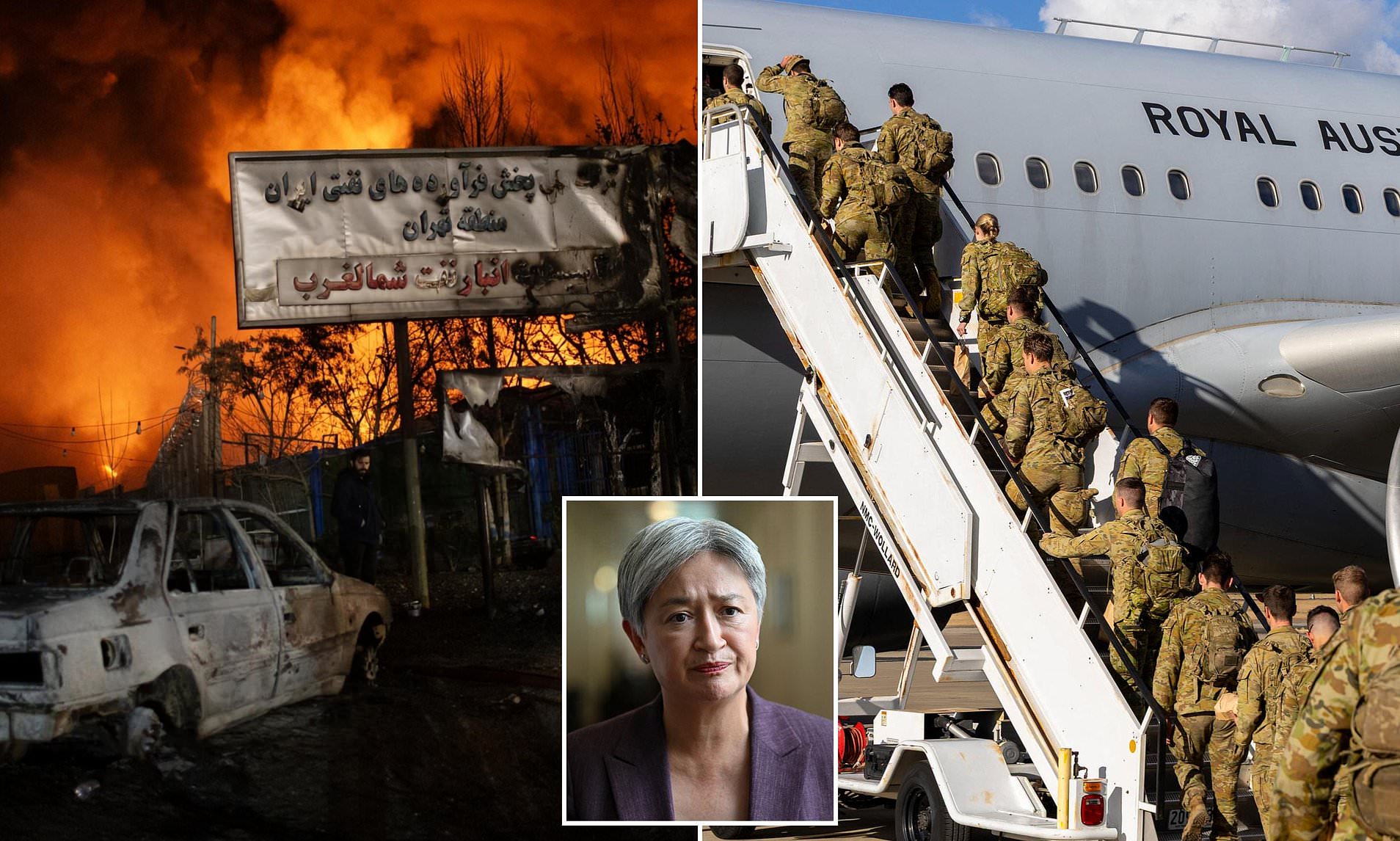
The Australian Labor government’s unequivocal support for recent military strikes against Iran has drawn sharp criticism from experts, who warn that the nation could become a target for future attacks and undermine its standing on the international stage. The swift endorsement of joint US-Israeli missile strikes, which plunged the Middle East into further turmoil on February 28, has raised significant concerns about Australia’s involvement in a volatile geopolitical landscape.
Prime Minister Anthony Albanese stated unequivocally, “We support the United States acting to prevent Iran from obtaining a nuclear weapon and to prevent Iran continuing to threaten international peace and security.” He further elaborated, “A regime that relies on the repression and murder of its own people to retain power is without legitimacy.”
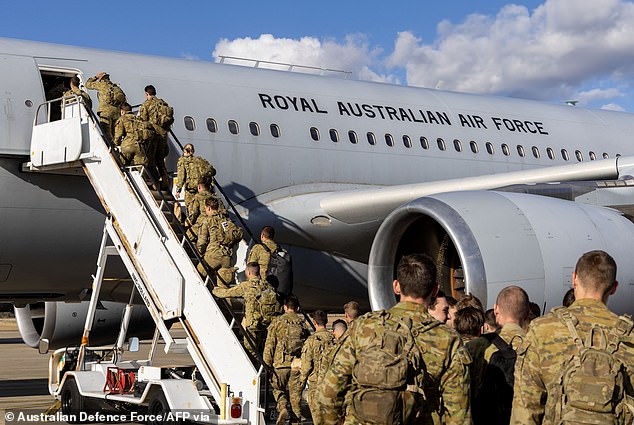
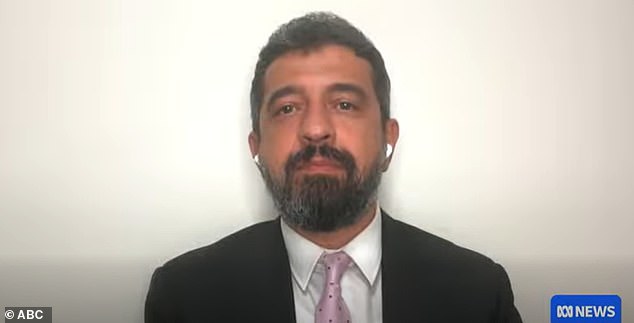
However, these strong pronouncements have been met with caution from international relations analysts. Dr. Ali Mamouri, a former strategic communications advisor to the Iraqi Prime Minister, cautioned that any form of Australian military presence in the region, even on allied bases, would render the nation a legitimate target for Iran. “If Australia gets involved with troops on the ground, not necessarily inside Iran, even in any US military bases in the region, that will put them in danger,” Dr. Mamouri told the Daily Mail. “Iran would see it as a legitimate target.”
Beyond the risk of direct targeting, experts highlight the perilous implications of Australia lending its support to actions that contravene international law. The International Commission of Jurists has already condemned the recent attacks as a “grave violation of the United Nations Charter and international law.” Dr. Mamouri, now a research fellow at Deakin University, argued that by backing these efforts, Australia jeopardises its own security. “If Australia supports breaching international law, that would put it in a difficult situation if another country wanted to do the same thing with Australia,” he explained. “Just imagine if a country like China or Indonesia or any other neighbouring country decided to violate Australian territory and undertake an attack against Australia. How could – and how would – Australia rely on the international law that it supported breaching.”
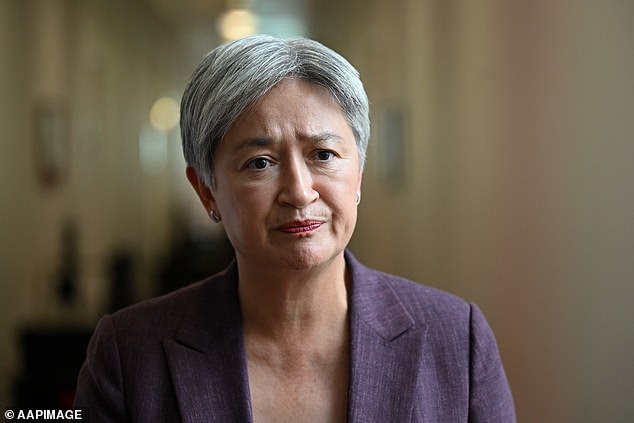
Foreign Minister Penny Wong acknowledged that Australia was considering requests for military assistance from allies in the Middle East. Speaking on ABC’s Insiders program, she stated, “You would anticipate, as a consequence, that we have been asked for assistance, and we will work through that carefully.” While ruling out the deployment of troops, the government is reportedly considering providing technological support, such as systems to detect or intercept missiles and drones. There’s also a possibility of Australian forces contributing to the safe passage of oil through the strategically vital Strait of Hormuz.
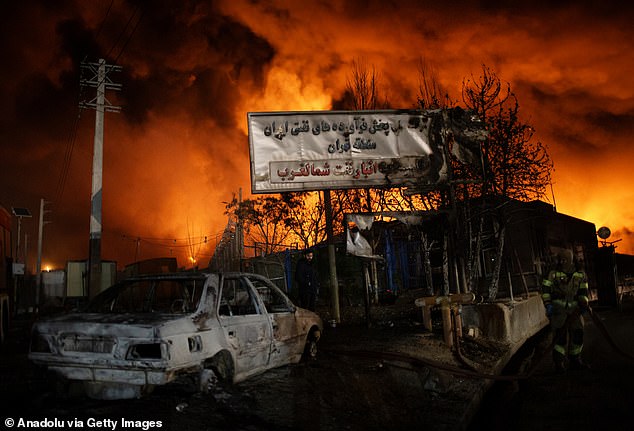
The government’s decision to back the US-Israeli actions has also faced criticism for its apparent disregard for international legal frameworks. Professor Mark Beeson, an expert in international politics, observed, “What’s interesting about Albanese is he has conveniently ignored that it’s a flagrant violation of international law.” He expressed concern over a perceived shift towards unilateral interventions, stating, “The reality is that US President Donald Trump is now developing a taste for unilateral interventions in the world. This is highly dangerous for the stability of the international system, and it’s unfortunate that middle powers (like Australia, which) have to stand for something, seem to be flunking it.”
Former senior Defence official and diplomat Allan Behm warned that aligning too closely with the United States without critical consideration could damage Australia’s reputation among its neighbours and its own citizens. “There are lots of people who think direct intervention by any country in assassinating the leadership of another country is actually not a great idea,” he remarked. “Lots of countries, but particularly in Southeast Asia, think Australia is constantly played as a pats y by the United States, galloping in without thinking of the consequences.” Mr. Behm added, “Our international credibility as a country which knows how to represent its own interests and stand up for itself continues to be damaged by this.”
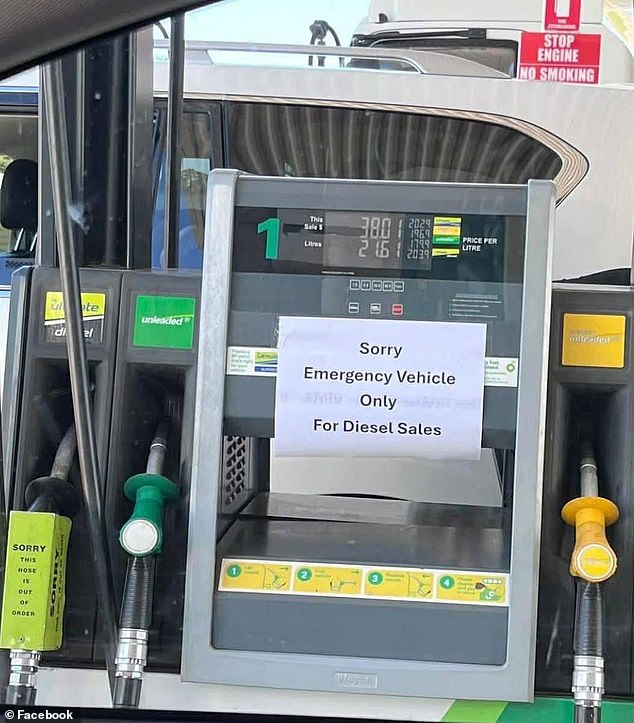
Furthermore, supporting military actions in the Middle East has tangible economic consequences for Australians, notably in rising fuel prices. This presents a direct challenge for Treasurer Jim Chalmers as he prepares the upcoming budget. Mr. Behm also highlighted the potential for retaliatory actions from Iran, stating, “A third consequence is that Iran will punish America for what it has done in any way it can. And I think that acts of individual violence directed towards Americans around the world, perhaps carried out by Iranian operatives or others, will likely increase.”
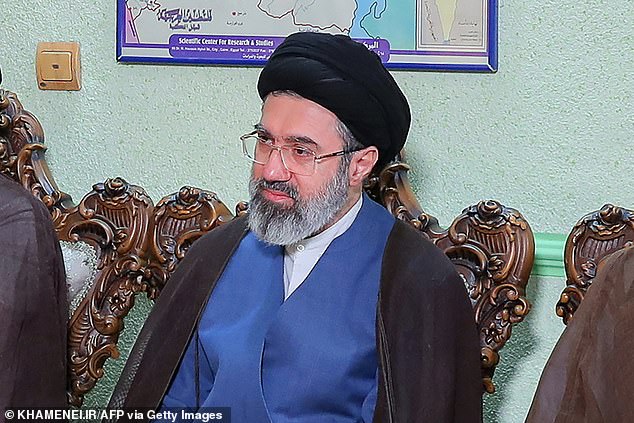
Adding another layer of complexity to the regional dynamics, Mojtaba Khamenei, son of the late Supreme Leader Ali Khamenei, was reportedly named as Iran’s new Supreme Leader shortly after his father’s death in Israeli airstrikes. Mojtaba Khamenei, 56, is understood to have close ties to the Iranian Revolutionary Guard Corps. Professor Beeson, however, suggested that a regime change to Mojtaba Khamenei might not bring about the significant shifts that some observers anticipate, describing the situation as “bonkers.”