
Beetroot Juice: A Natural Ally for Lowering Blood Pressure in Older Australians
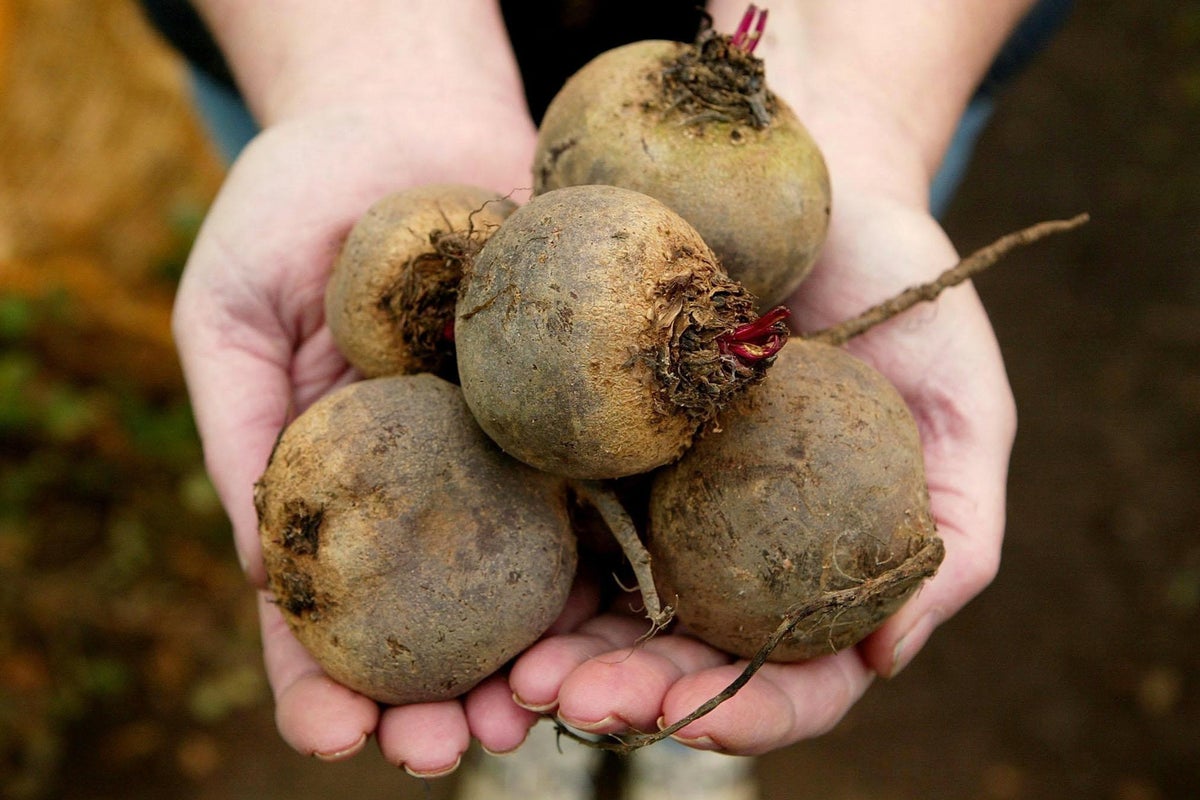
A groundbreaking study from the University of Exeter is shedding light on a simple, natural way to help manage blood pressure in individuals aged 60 and over. The research points towards the humble beetroot, or more specifically, beetroot juice, as a potential dietary intervention with significant cardiovascular benefits.
The key to beetroot’s efficacy lies in its rich concentration of dietary nitrates. These naturally occurring compounds, when consumed, undergo a fascinating transformation within the body, particularly with the assistance of our oral microbiome.
The Science Behind the Sip: Nitrates, Bacteria, and Blood Vessels
The study’s findings suggest that the dietary nitrates present in beetroot juice play a crucial role in altering the composition of bacteria within the mouth. This shift involves suppressing the growth of potentially harmful bacteria while simultaneously fostering an increase in beneficial bacterial strains.
This seemingly small change in the oral environment sets in motion a cascade of physiological events. The beneficial bacteria help convert the ingested nitrates into nitric oxide. Nitric oxide is a vital molecule in the human body, known for its vasodilatory properties. Essentially, it acts like a natural relaxant for our blood vessels, causing them to widen. This widening allows blood to flow more freely, thereby reducing the pressure exerted on the vessel walls – the very definition of lower blood pressure.
A Two-Week Trial Shows Promising Results
The Exeter University study involved a cohort of participants aged 60 and above who consumed nitrate-rich beetroot juice over a two-week period. The results were encouraging, with participants exhibiting a measurable decrease in their blood pressure. Crucially, these positive physiological changes were accompanied by the observed beneficial alterations in their oral bacterial profiles, reinforcing the proposed mechanism of action.
Beyond Beetroot: Embracing Nitrate-Rich Vegetables
While beetroot juice has emerged as a frontrunner in this particular study, experts are quick to emphasize that the benefits extend to other nitrate-rich vegetables. This opens up a broader dietary strategy for promoting cardiovascular health in older adults.
The message is clear: encouraging individuals in their senior years to incorporate more of these nutrient-dense vegetables into their daily meals could yield substantial long-term health advantages.
Key Nitrate-Rich Vegetables for Blood Pressure Management:
- Spinach: A powerhouse of nutrients, spinach is packed with nitrates and other essential vitamins and minerals that contribute to overall well-being. Its versatility in salads, smoothies, and cooked dishes makes it an easy addition to any diet.
- Rocket (Arugula): This peppery green not only adds a flavourful kick to meals but is also an excellent source of dietary nitrates. Rocket can be enjoyed fresh in salads, as a topping for pizzas, or wilted into pasta dishes.
- Kale: Renowned for its impressive nutritional profile, kale is another outstanding source of nitrates. Whether steamed, sautéed, or blended into a smoothie, kale offers a robust way to boost nitrate intake.
- Lettuce Varieties: Many types of lettuce, particularly darker leafy varieties, also contain beneficial levels of nitrates.
- Other Leafy Greens: Don’t overlook other members of the leafy green family, as many will contribute to your dietary nitrate intake.
The implications of this research are significant, offering a simple, accessible, and natural approach to supporting the cardiovascular health of our aging population. By making informed dietary choices, individuals can actively contribute to their well-being and potentially reduce their reliance on medication. The humble beetroot, it seems, might just be a superhero vegetable in disguise.