
Trump Expresses Surprise as Iran Extends Retaliation Beyond US Targets
United States President Donald Trump has voiced his astonishment at Iran’s decision to target neighbouring Middle Eastern nations, a move that came despite Iran’s earlier vows of retaliation following US strikes on Kharg Island. The island, a critical hub for approximately 90 per cent of Iran’s oil exports, was subjected to US military strikes just yesterday.
Iran’s response was swift and forceful, alleging that the United States had utilised facilities within the nearby United Arab Emirates (UAE) – a claim vehemently denied by the UAE – to conduct its operations. In response, Iran pledged a retaliatory campaign.

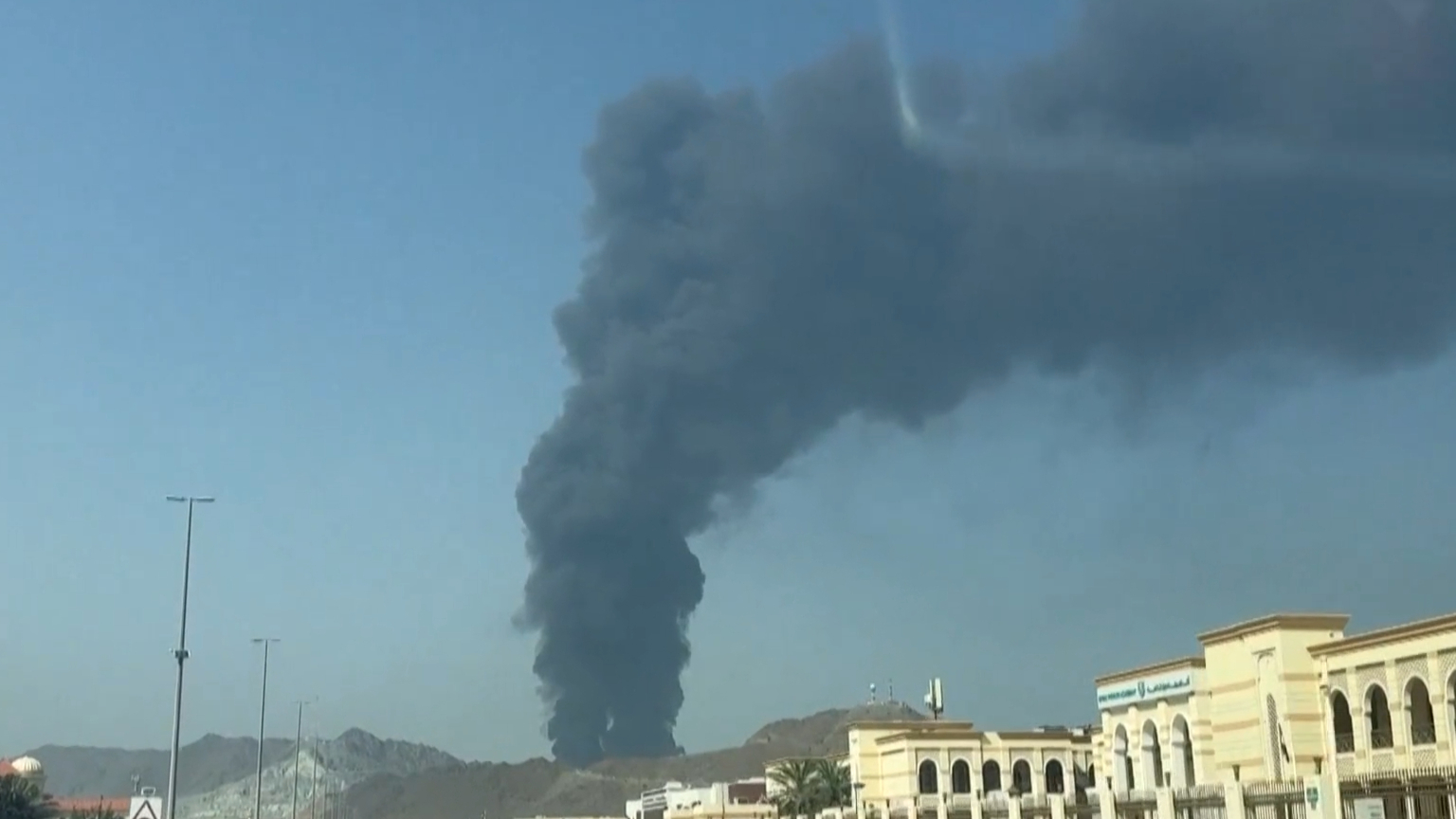
The Islamic Republic issued direct warnings to residents in areas it claimed were being used by the US to house forces and equipment within the UAE, specifically naming sites in Abu Dhabi and Dubai. This marked a significant escalation, representing the first time Iran has directly threatened non-US assets since the conflict commenced over two weeks ago. Adding to the growing regional tension, Kuwait’s main airport was also reported to have been impacted by an Iranian strike.
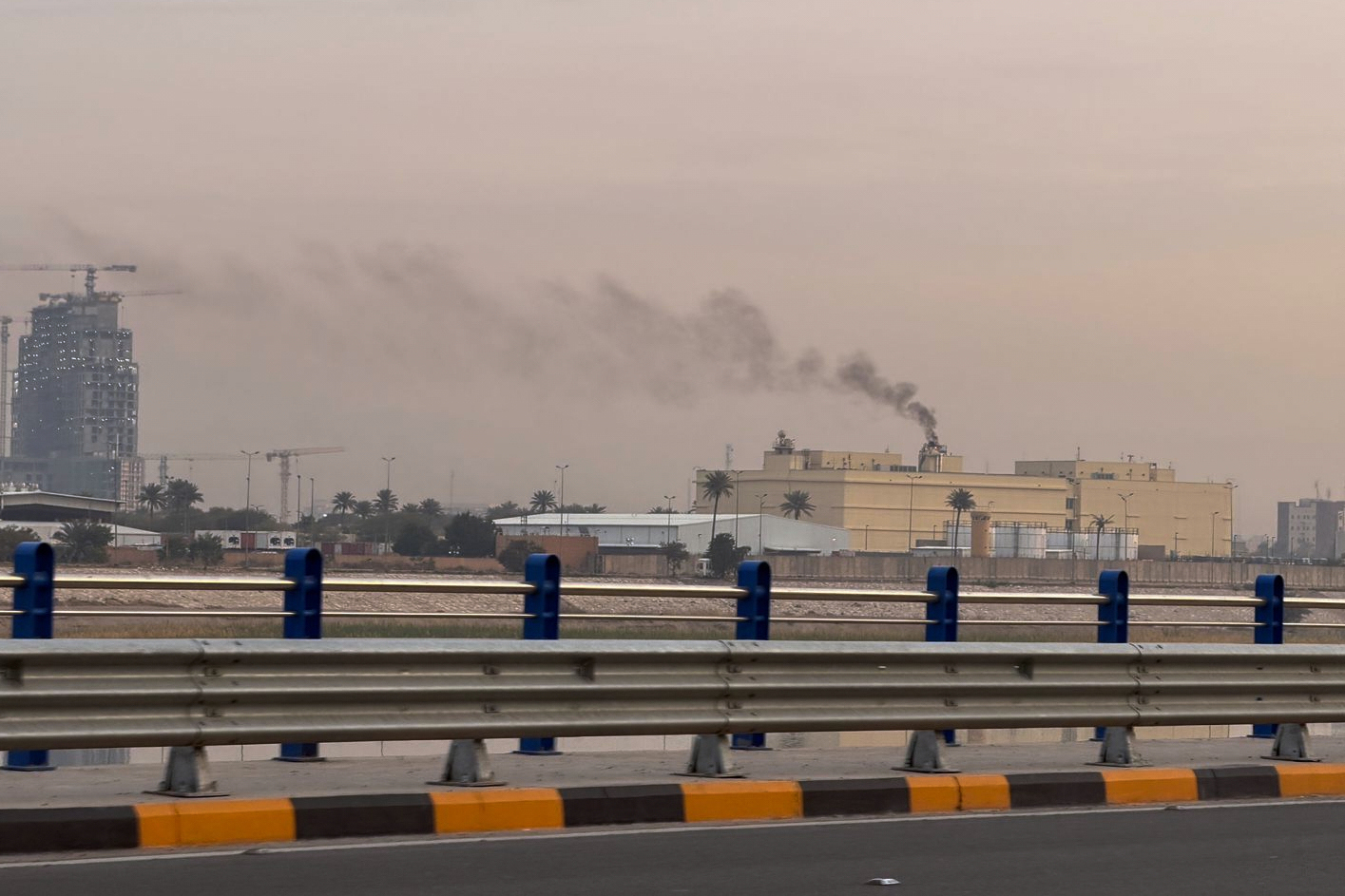
President Trump indicated his surprise at the breadth of Iran’s retaliation, which reportedly encompassed the UAE, Qatar, and Iraq within a single overnight period. This included an alleged strike on the US Embassy in Baghdad, Iraq. “I was very surprised,” Trump stated in an interview with NBC News, describing it as “the biggest surprise I had of this whole thing.”
Escalation and Regional Impact
The conflict has seen a significant uptick in Iranian military actions, with reports of further strikes on Tel Aviv in the early hours of Sunday morning, local time, according to Israeli authorities.
US Central Command has remained tight-lipped regarding Iran’s assertion of launching strikes from the UAE, offering no direct response. Meanwhile, Anwar Gargash, a diplomatic advisor to the UAE’s President, took to social media to state that while the nation reserves the right to self-defence, it “still prioritises reason and logic, and continues exercising restraint.”
Throughout the ongoing war, Iran has launched a considerable number of missiles and drones towards its Arab Gulf neighbours. However, the nation has consistently maintained that its targets have been exclusively US assets, even as some of these strikes have impacted or been intercepted near civilian infrastructure such as airports and oil fields.
Iran’s Stated Objectives and US Response
On Saturday, Iran’s joint military command reaffirmed its threat to strike US-linked “oil, economic and energy infrastructures” in the region should its own similar infrastructure be targeted.
According to Iran’s semiofficial Fars news agency, the strikes on Kharg Island did not result in any damage to its oil infrastructure. The agency specified that the targeted sites included an air defence facility, a naval base, the airport control tower, and an offshore oil company’s helicopter hangar.
In contrast, US Central Command reported the destruction of naval mine storage facilities, missile storage bunkers, and other military installations as part of its operations.
Israel, meanwhile, announced an additional wave of strikes within Iran, aimed at infrastructure. The Israeli Air Force stated that it had successfully struck over 200 targets in the preceding 24 hours, with these actions encompassing missile launchers, defence systems, and weapons production sites.
The unfolding events highlight the volatile and unpredictable nature of the escalating tensions in the Middle East. International observers are closely monitoring the situation for further developments and potential diplomatic interventions to de-escalate the conflict and ensure the stability of oil supply routes. The interconnectedness of regional economies and global energy markets means that any significant disruption could have far-reaching consequences. The emphasis on infrastructure, both military and economic, underscores the strategic importance of the region and the high stakes involved in the ongoing confrontation.


