

Clayton Kershaw Officially Hangs Up His Cleats After World Baseball Classic Stint
The legendary career of Clayton Kershaw has officially drawn to a close. The former Los Angeles Dodgers icon, a titan of the pitching mound, has stepped away from the game, marking his retirement with his departure from the United States roster for the World Baseball Classic semifinals.
Initially part of the American squad for the international tournament, Kershaw was removed from the official roster following the USA’s victory over Canada. He has been replaced by relief pitcher Jeff Hoffman, who brings his own considerable experience to the team as they prepare for their crucial semi-final clash against the Dominican Republic.
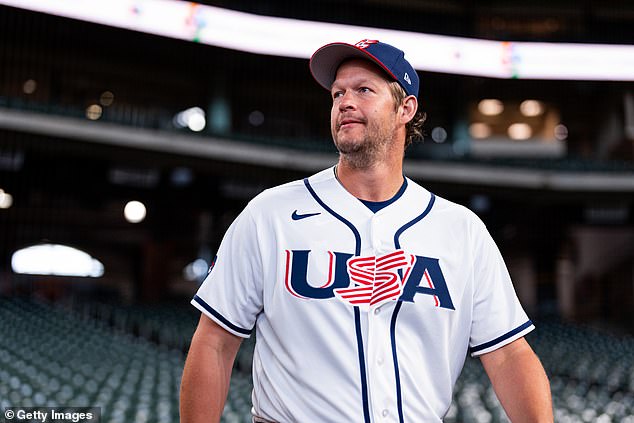
This move signals the definitive end of an era for baseball fans. The 37-year-old hurler had, in fact, announced his retirement from professional baseball at the conclusion of the previous year, having dedicated 18 seasons to the Major League Baseball circuit. However, in a surprising twist that delighted many, Kershaw briefly emerged from his retirement to participate in the World Baseball Classic, a testament to his enduring love for the game and his country.
Despite his presence with the team throughout the tournament, Kershaw did not feature in any of the USA’s five games, including their Pool B fixtures and the recent heated encounter against Canada. Nevertheless, his influence and veteran presence have undoubtedly been a valuable asset to the squad.
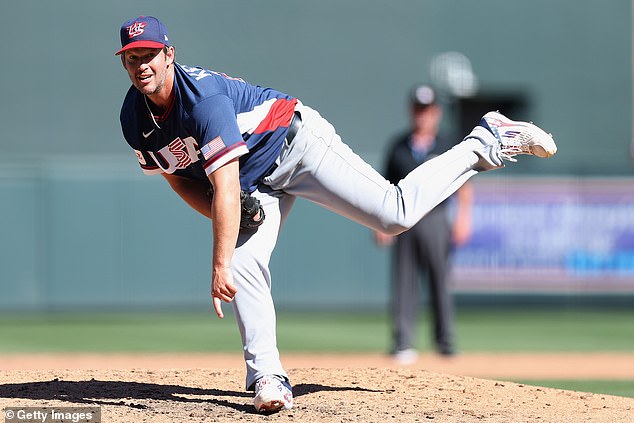
Jeff Hoffman, the 33-year-old reliever stepping into Kershaw’s shoes on the roster, is no stranger to the big leagues. He spent the last season with the Toronto Blue Jays, where he posted a respectable 9-7 record with a 4.37 earned run average across 71 appearances.
Kershaw’s journey in professional baseball has been nothing short of extraordinary. Drafted by the Dodgers in 2006, he remained a loyal and dominant force with the franchise for his entire illustrious career. His tenure in Los Angeles was punctuated by remarkable achievements, including three World Series championships, with the most recent coming in 2020.
A Legacy of Dominance and Accolades
Kershaw’s list of accolades is a testament to his unparalleled skill and consistency. Over his 18 seasons, he secured an impressive three National League Cy Young Awards, cementing his status as one of the greatest pitchers of his generation. His dominance was further recognised with the 2014 NL MVP Award and a remarkable five seasons leading the National League in ERA.
His exceptional talent earned him 11 All-Star selections, a clear indication of his sustained excellence year after year. Furthermore, Kershaw achieved the rare feat of winning baseball’s Triple Crown in 2011, leading the league in wins, strikeouts, and ERA – a truly historic accomplishment.
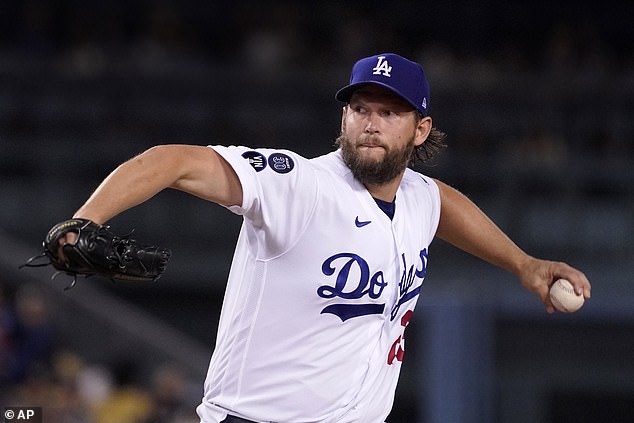
The pinnacle of his career, many would argue, was the 2020 World Series. In a season like no other, played amidst the global pandemic, Kershaw was instrumental in the Dodgers’ championship run. He secured four crucial wins during the postseason, including starts in Game 1 and Game 5 of the World Series against the Tampa Bay Rays. This victory marked the Dodgers’ first World Series title since 1988, a long-awaited triumph for the franchise and its devoted fanbase.
While Kershaw was part of the Dodgers’ roster during their 2024 championship season, he was sidelined by injury and was unable to participate in the postseason. However, his presence and leadership were felt throughout the team’s successful campaign.
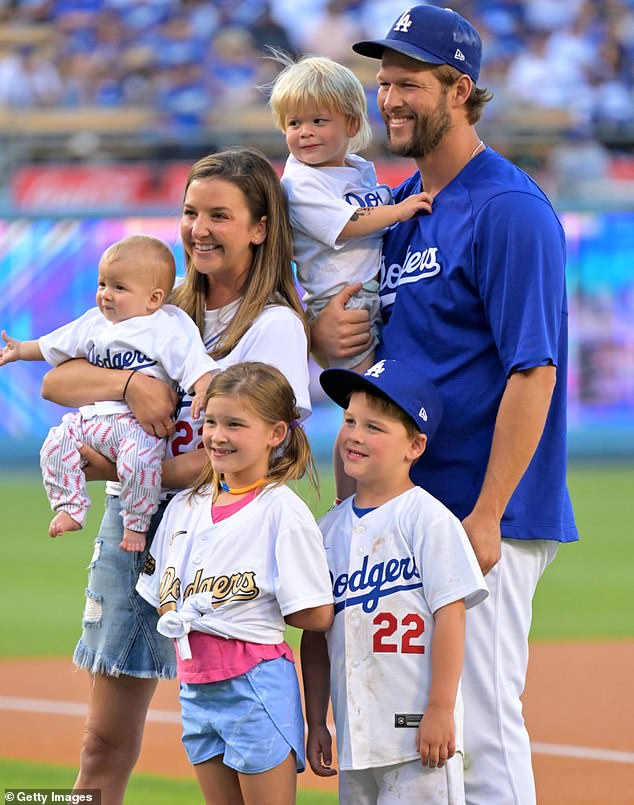
Renowned for his devastating 12-6 curveball, a pitch that baffled hitters for nearly two decades, Kershaw leaves behind a statistical legacy that will be difficult to surpass. He holds the highest WAR (Wins Above Replacement) in the history of the Dodgers franchise, a comprehensive measure of his overall value. Beyond that, he leads the franchise in strikeouts, boasts the sixth-best ERA, ranks second in wins, and has made the third-most starts in Dodgers history. His impact on the franchise is immeasurable, and his retirement marks the end of a truly iconic chapter in baseball history.


