Ongoing Threats Hinder Clean-Up Efforts in Australia’s Construction Sector
Australia’s construction sector is facing significant challenges as threats and intimidation continue to impede efforts to clean up the industry. A former official from the Construction, Forestry, Maritime, Mining and Energy Union (CFMEU) has been charged with blackmail, and his case highlights the broader issues of corruption and organized crime within the sector.
The Australian Federal Police (AFP) has been investigating criminal activities in the construction sector, including allegations of corruption, money laundering, and other forms of organized crime in Victoria. A senior federal police officer recently sent a letter to building companies in Melbourne, Sydney, and Brisbane, revealing that ongoing intimidation was hindering their investigations.
The letter, published by Nine newspapers, stated that many business owners contacted by the AFP had been “intimidated into not co-operating with police after receiving threats.” The document also noted that the source of these alleged threats had been made known to the AFP. Additionally, it mentioned that some companies had made facilitation or extortion payments to organized crime groups to ensure their building projects could proceed without interruption.
Geoffrey Watson, a barrister, released a report titled “Rotting from the Top,” which examined the Victorian branch of the construction union. The report highlighted that fear among witnesses still lingered, preventing some from speaking out about the issues they witnessed.
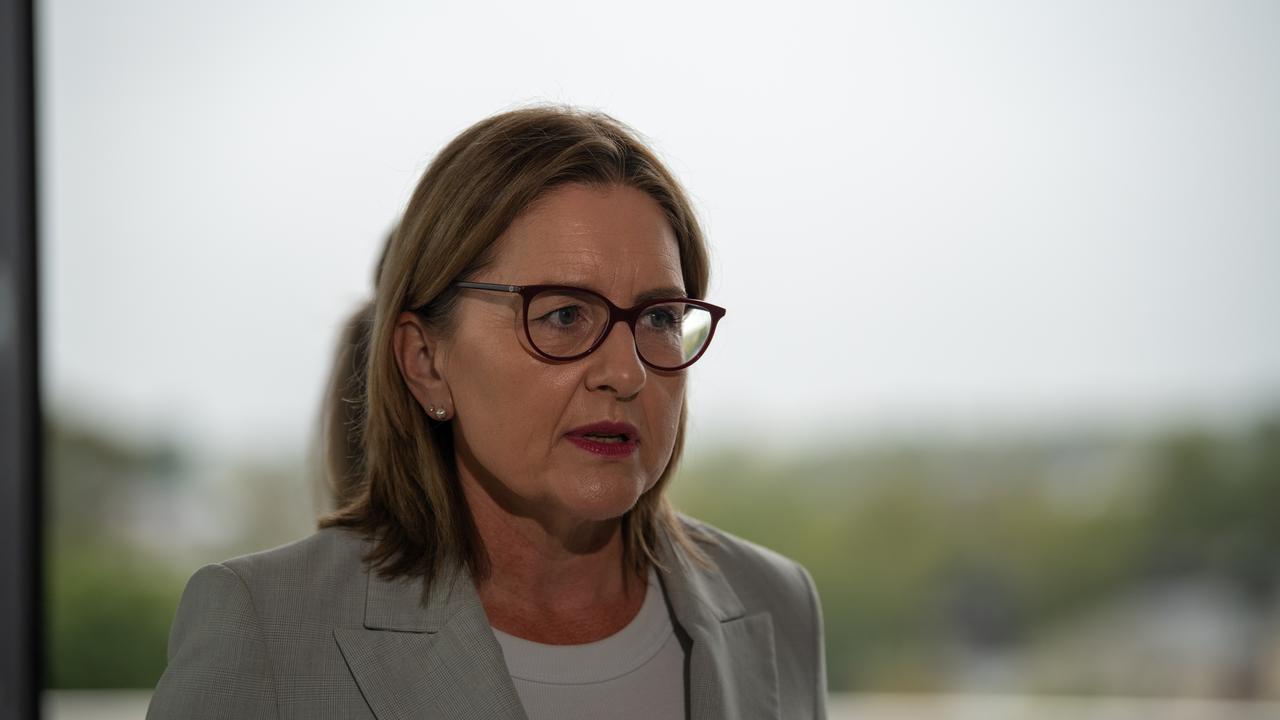
Victorian Premier Jacinta Allan has consistently emphasized that any allegations of illegality in the construction sector should be referred to the police. Despite the letter’s claims, she maintained that this approach was appropriate.
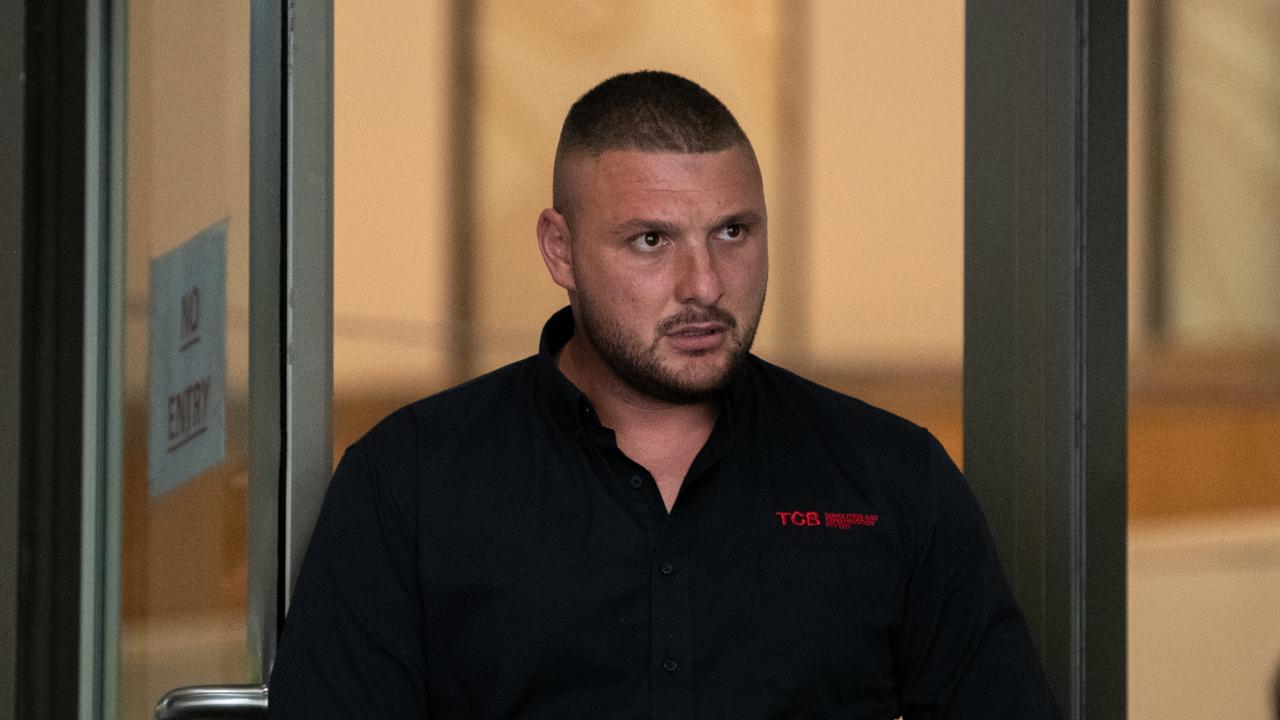
Joel Leavitt, a former CFMEU official and a member of a biker gang, appeared in court on Thursday seeking to vary his bail conditions so he could leave the state for work purposes. The prosecution simultaneously applied to change his bail conditions to prohibit him from associating with Codee Staff, a man believed to have been appointed as the Melbourne chapter president of the Bandidos.
The variation application was adjourned after the magistrate raised concerns over the legitimacy of payslips that purported to show Mr. Staff was an employee of Leavitt. The case will return to court on Wednesday.
Jared Davis, one of Leavitt’s co-accused, is expected to make a bail application next week after being extradited from Tasmania. Police allege that Davis is a patched member of the Bandidos and was involved in an unwarranted demand for $663,000 at a business in Melbourne’s west in January.
The Independent Broad-based Anti-corruption Commission (IBAC) can investigate public officials but does not have the authority to probe third parties such as union officials and bikies under its current legislative framework. However, legislation to grant Victoria’s corruption watchdog “follow the money” powers passed the upper house on Wednesday with support from the coalition, Greens, and other crossbenchers.
In the lower house, Labor MPs used their majority to block the bill from being debated. In December, a parliamentary committee recommended amending the IBAC Act to allow the agency to investigate public funds spent by private entities. The state Labor government is required to respond to the report within six months.