
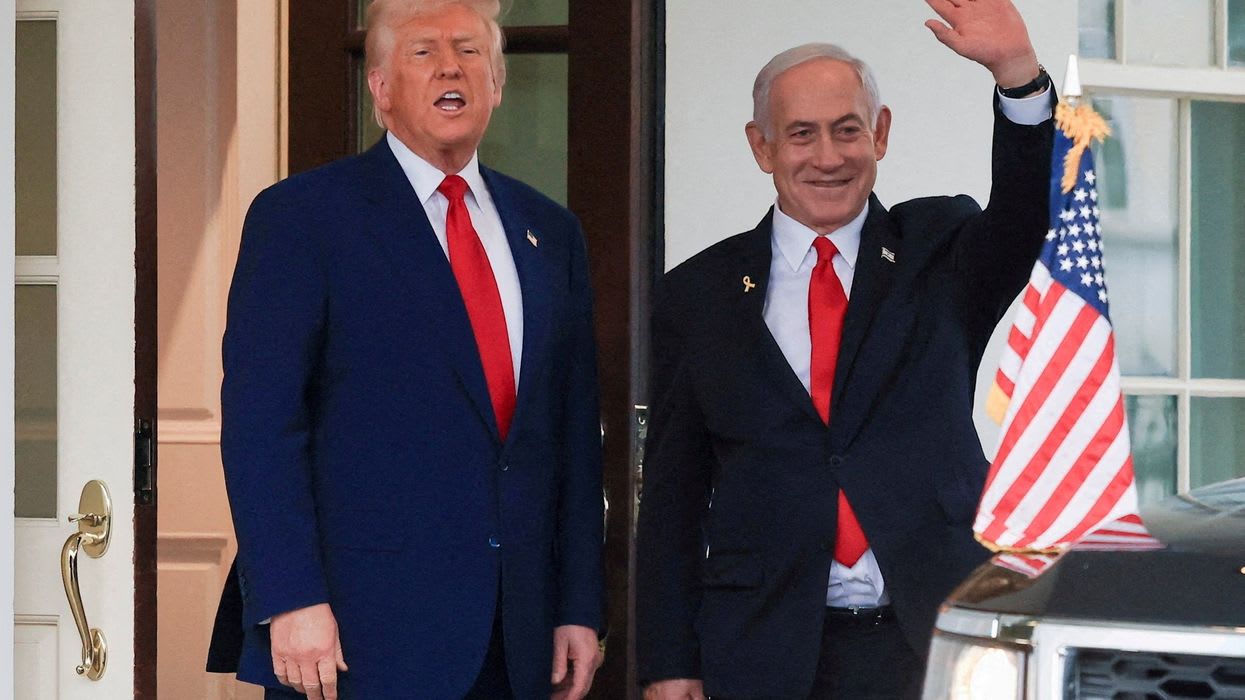
Criticism of President Trump’s Role in the Iran Military Operation
Journalist Anand Giridharadas has raised significant concerns about President Donald Trump’s involvement in the military operation involving Iran. During an appearance on MS NOW’s “Morning Joe,” Giridharadas criticized Trump for effectively positioning himself as a subordinate to Israeli Prime Minister Benjamin Netanyahu in this conflict.
Giridharadas argued that Trump has deviated from his core campaign promises by engaging in what he describes as a “war of whim” rather than a strategic necessity. This criticism highlights a perceived contradiction between Trump’s previous statements and his current actions. During his campaign, Trump had promised to avoid “stupid wars,” emphasizing safety, border security, and cost reduction. However, the ongoing conflict in Iran is seen as undermining these commitments.
Diverging Objectives Between the United States and Israel
A key point raised by Giridharadas is the fundamental difference in objectives between the United States and Israel. While the U.S. aims to destroy Iran’s military capabilities and nuclear program, Israel reportedly seeks the collapse of the Iranian state. This divergence in goals raises questions about the alignment of U.S. interests with those of its ally.
The war in Iran has also led to increased refugee flows and the resurgence of long-term terrorism threats. These consequences underscore the broader implications of the conflict, which extend beyond immediate military objectives.
Questions About Trump’s Leverage and Control
Giridharadas questioned why Trump, known for his emphasis on leverage and control, would willingly follow Netanyahu’s lead in this situation. Despite acknowledging that Israeli reporting indicates differing American and Israeli goals, the U.S. appears to be “along for the ride” in an operation that primarily benefits Netanyahu’s agenda.
This dynamic raises concerns about the strategic direction of U.S. foreign policy and whether it is being influenced more by the interests of an ally than by national priorities.
Impact on U.S. Foreign Policy
The involvement in the Iran military operation has sparked debates about the effectiveness and justification of U.S. intervention. Critics argue that such actions risk destabilizing the region further and could have long-term consequences for global security.
Moreover, the conflict has drawn attention to the complexities of international alliances and the challenges of balancing different strategic interests. As the situation evolves, it remains to be seen how the U.S. will navigate these challenges while maintaining its position as a global leader.
Broader Implications
The situation also highlights the importance of clear communication and transparency in foreign policy decisions. The public and policymakers alike are calling for greater clarity on the motivations behind U.S. actions in the region.
As the conflict continues, the need for a comprehensive strategy that addresses both immediate threats and long-term stability becomes increasingly apparent. The role of the U.S. in this context will likely remain a subject of intense scrutiny and debate.


