Escalation of Conflict: Air Strikes and Military Actions
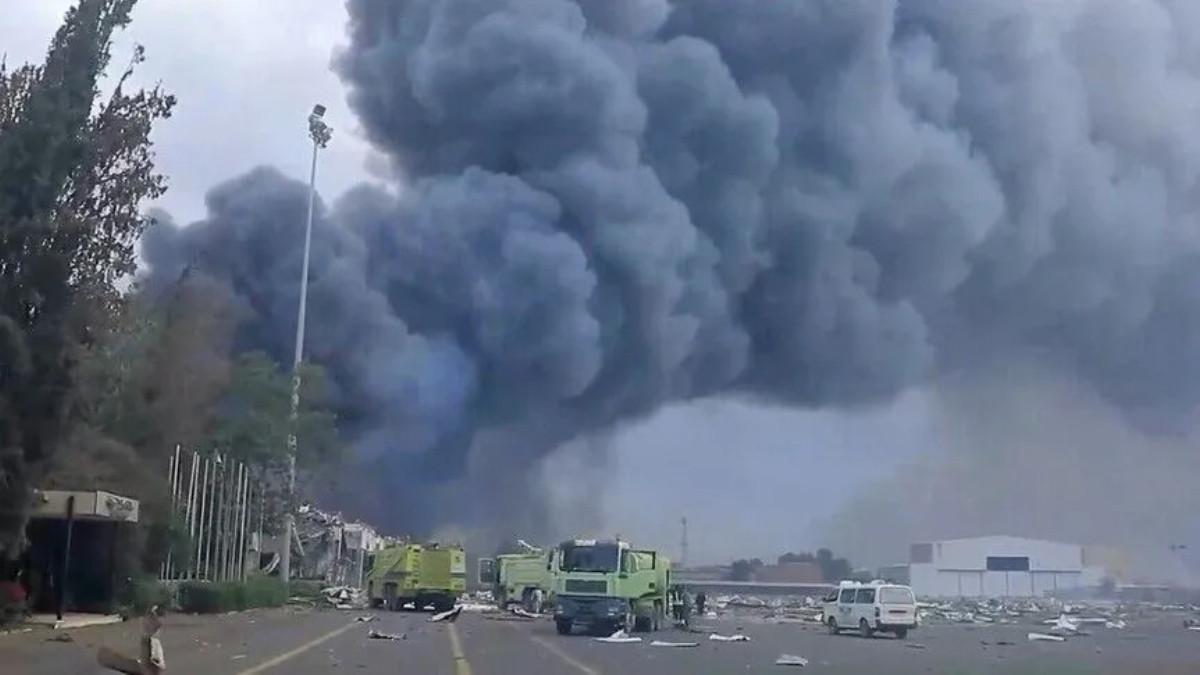
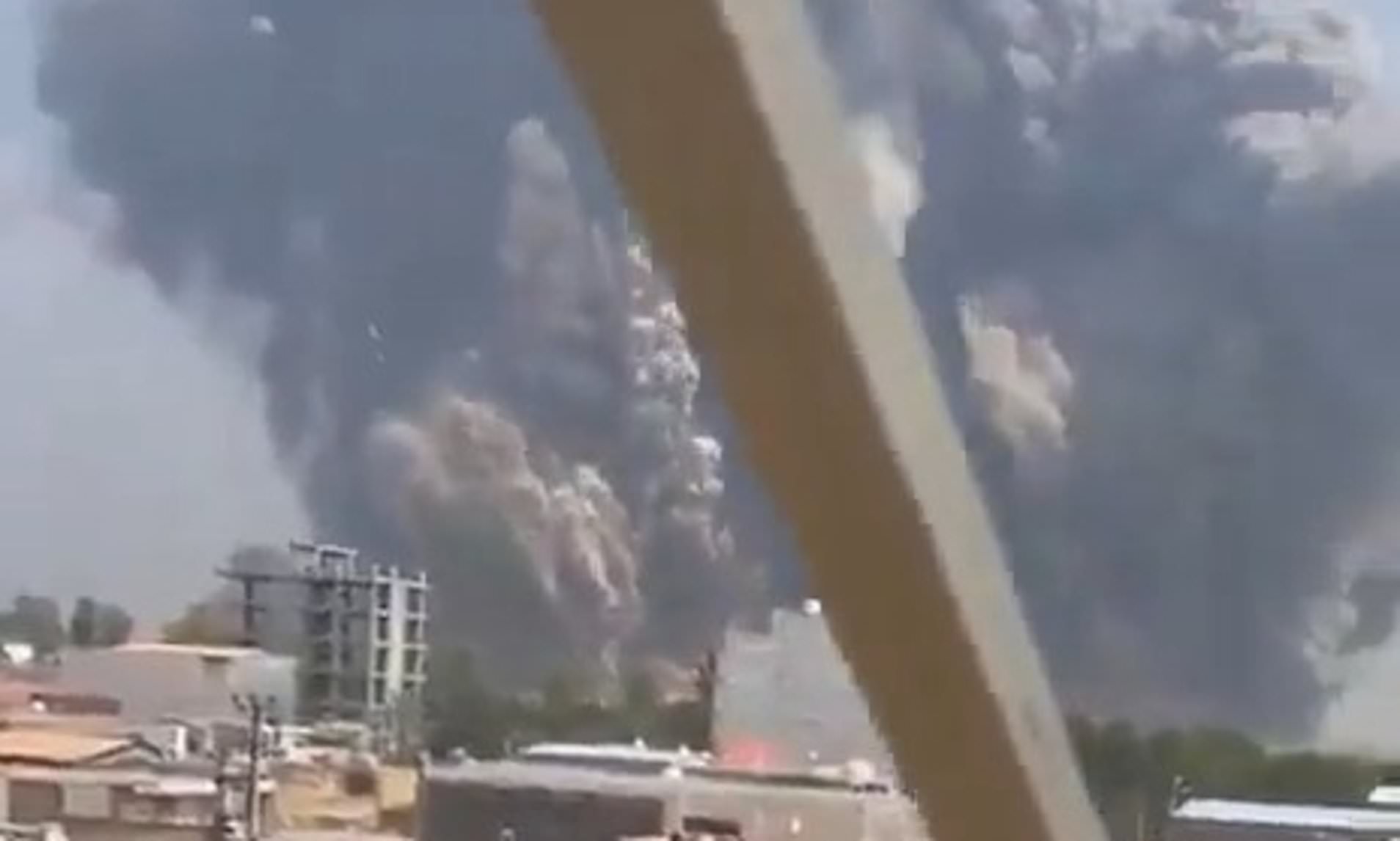
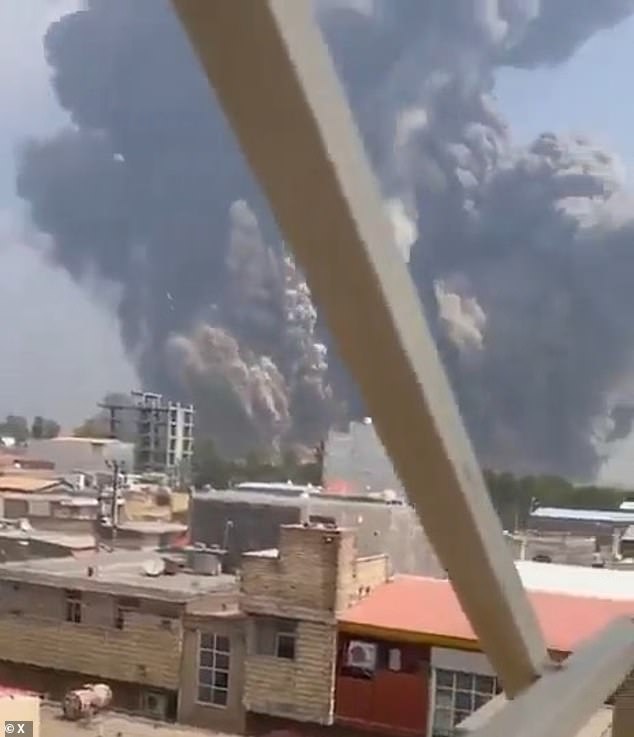
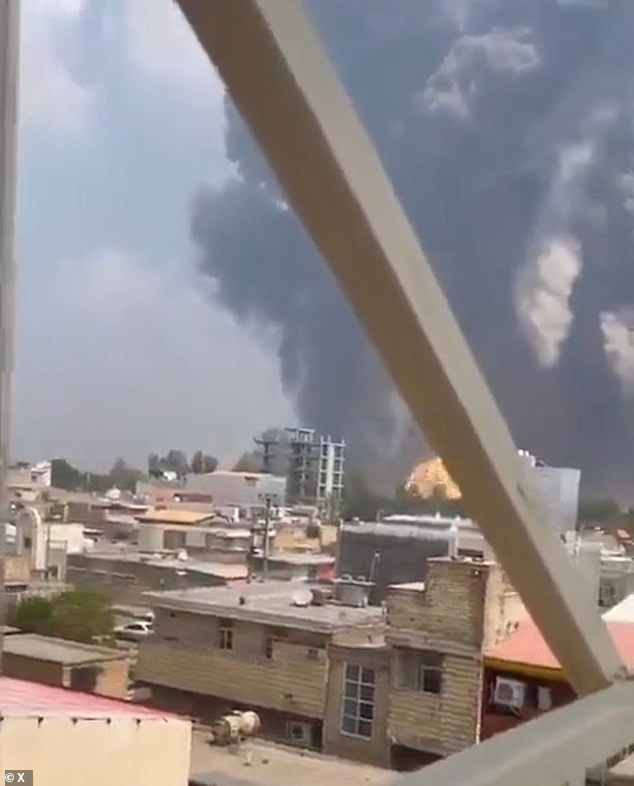
A significant air strike by Israeli-US forces has targeted an Iranian airbase, resulting in a massive explosion that sent an ammunition store into the sky. This attack appears to have occurred at the Vahdati Air Base in Dezful, a city in western Iran’s Khuzestan province, on Saturday.
Video footage captured the aftermath of the explosion, showing a large cloud of smoke rising above the city’s edge. A second fireball was then seen expanding into the sky, followed by a shockwave that forced the person filming to take cover. The incident highlights the growing intensity of hostilities between the involved parties.
Increasing Attacks and Military Operations
Israel’s Defence Minister has pledged that attacks on Iran will ‘significantly increase’ in the coming days. Meanwhile, the US has reported hitting over 8,000 military targets since the conflict began. Admiral Brad Cooper, commander of US Central Command (CENTCOM), stated that forces had dropped multiple 5,000-pound bombs on a hardened underground facility along Iran’s coast. This facility was used to store anti-ship cruise missiles and other equipment.
“We not only took out the facility, but also destroyed intelligence support sites and missile radar relays that were used to monitor ship movements,” Cooper said in a video message posted on X.
This operation has degraded Iran’s ability to threaten freedom of navigation in and around the Strait of Hormuz. “We will not stop pursuing these targets,” he added.
Iranian Response and International Reactions
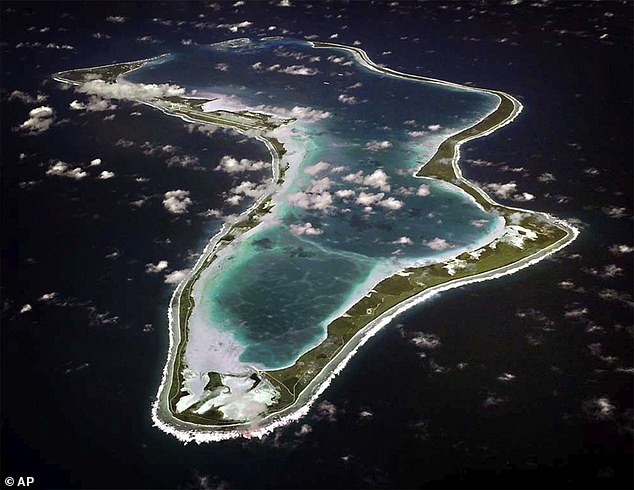
Iran launched two intermediate-range ballistic missiles targeting the UK-US Diego Garcia military base in the Chagos Islands, approximately 2,500 miles from Tehran. Neither missile hit the base, with one being shot down and the second failing in flight. This marked a significant escalation in hostilities, occurring just hours after Sir Keir Starmer approved the use of UK-based bombers threatening the Straits of Hormuz.
However, this move prompted Tehran to warn the Prime Minister that he had placed British lives ‘in danger’ by consenting to Trump’s request. In response, the UK government stated that such strikes were covered by its agreement with Trump to allow UK-based assets to be deployed in the ‘collective self-defence of the region’.
The Ministry of Defence described Iran’s actions as a ‘threat’ to UK interests, emphasizing that RAF jets and other military assets are continuing to defend British people and personnel in the region.
Shifts in US Strategy and Regional Tensions
Before Iran’s strike against the base, President Trump suggested that the US was considering ‘winding down’ military action. He claimed the US military was ‘getting very close’ to meeting its objectives in the war and criticized allies for not getting involved.
“Britain should have acted a lot faster,” Trump said, expressing surprise at the delay. This comes after he called NATO allies ‘cowards’ and demanded assistance in ending Iran’s closure of the Strait of Hormuz, a critical global shipping lane for the oil industry.
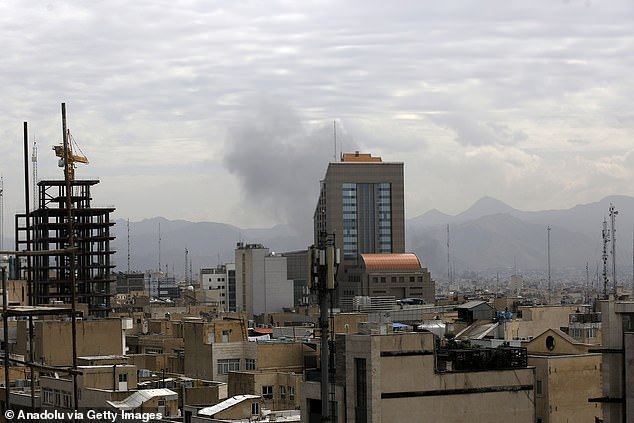
However, hours after Trump’s suggestion of stepping back, Israel’s Defence Minister warned of further escalation. He stated that the intensity of strikes by the IDF and US military against the Iranian regime would significantly increase.
Ongoing Attacks and Civilian Impact
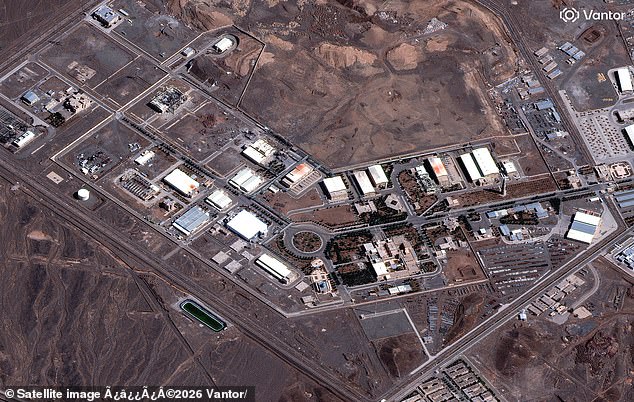
As the conflict entered its fourth week, Iran’s state media reported that US-Israeli forces attacked the Shahid Ahmadi-Roshan Natanz enrichment complex. Technical experts found no radioactive leaks, and nearby residents were not at risk. Israel, however, remained unaware of such a strike.
Reports later indicated the attack was carried out by the US using bunker buster bombs. Israel also targeted Beirut, aiming to disrupt Hezbollah, an Iran-backed Lebanese militia. The attacks included locations such as Tehran, Karaj, and Isfahan.
Over 1,300 people have been killed in Iran since the conflict began, while more than 1,000 people have died in Lebanon, with at least one million displaced. Israel announced a targeted ground operation in the south of the country, resulting in the deaths of four Hezbollah militants.
Air raid sirens in Israel warned of incoming missiles, sending millions to shelters as interception blasts echoed overhead. No immediate casualties were reported, though search and rescue teams were heading to impact sites in central Israel.
Iran continued to target US military bases across the Gulf region, signaling ongoing tensions and potential future escalations.