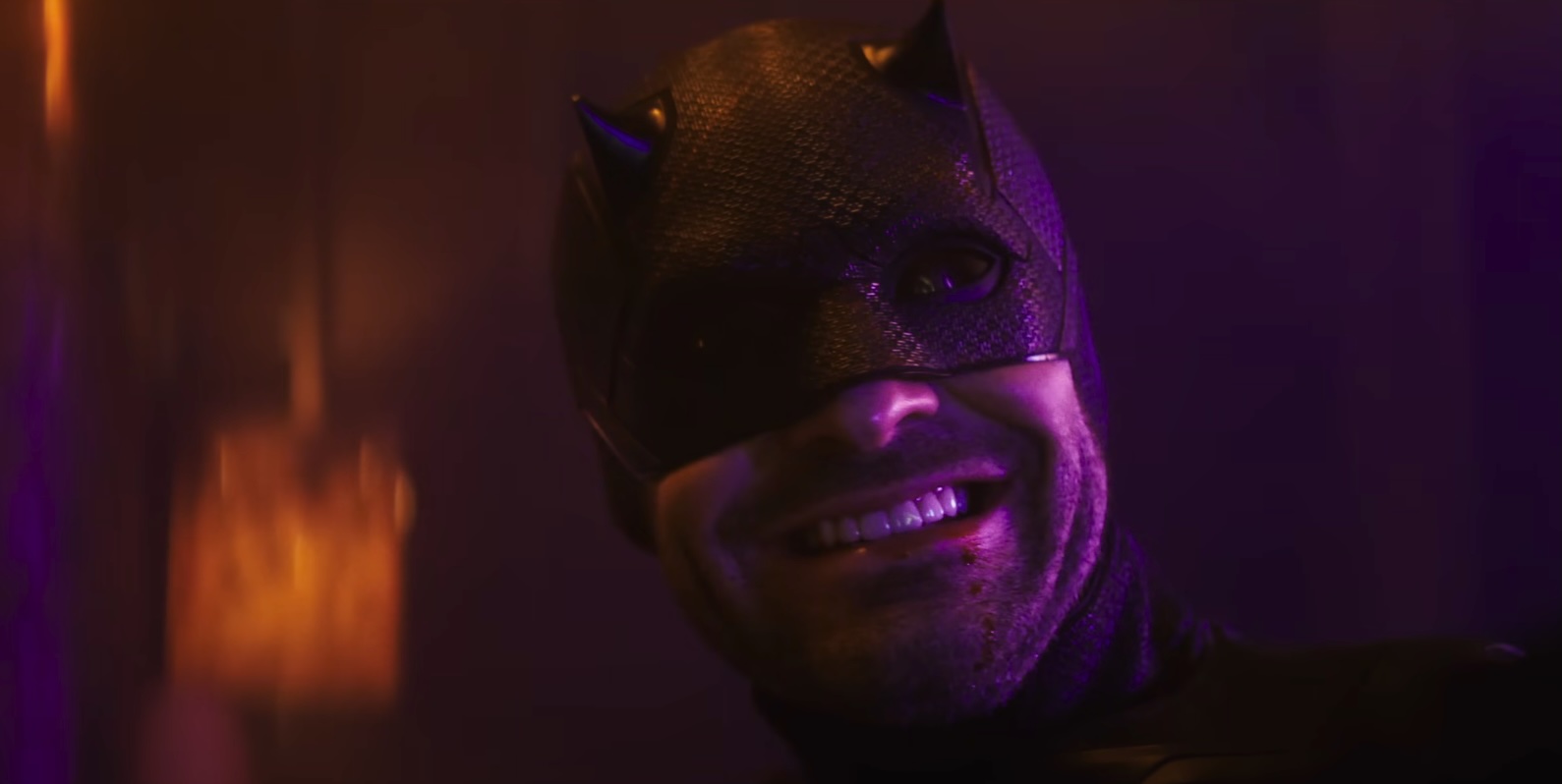
Daredevil: Born Again Season 2 Delves into Grit and Corruption
The journey of Daredevil: Born Again has been a complex one, marked by shifts in creative direction and production challenges. Initially conceived as a departure from the darker tone of its Netflix predecessor, the series aimed for a lighter, more mainstream Marvel feel, perhaps akin to She-Hulk: Attorney at Law. However, following industry-wide strikes and discussions with lead actors Charlie Cox and Vincent D’Onofrio, a pivotal decision was made: to lean into the gritty, street-level realism that defined the original Daredevil on Netflix. This pivot aimed to deliver a more authentic and modern interpretation of the character, even if it meant diverging from the typical Marvel Studios lighter fare.
The first season, Born Again, faced the challenge of navigating this tonal shift, with some elements of the earlier, lighter concept lingering, creating a noticeable dissonance in certain episodes. The bank heist episode, “With Interest,” is often cited as a prime example of this struggle.
Season 2: A More Focused and Mature Narrative
With the groundwork laid in the first season, showrunner Dario Scardapane for Daredevil: Born Again Season 2 had the advantage of a clearer vision and more time to refine the narrative. By focusing on the grounded grit and compelling storytelling that resonated most strongly, Season 2 emerges as a more mature and cohesive chapter in Daredevil’s ongoing saga.
Corruption and Survival: A Strikingly Relevant Narrative
What sets Daredevil: Born Again Season 2 apart is its unflinching commitment to realism, cutting “close to the bone,” particularly for those attuned to the nuances of modern American politics. The season picks up immediately after the events of Season 1. Matt Murdock, also known as Daredevil (Cox), has gone into hiding after saving the corrupt Kingpin (D’Onofrio) from the assassin Bullseye (Wilson Bethel). Aware of Kingpin’s pervasive criminal network and his ability to manipulate justice, Murdock, alongside Karen Page (Deborah Ann Woll), embarks on a mission to dismantle the Kingpin’s empire from within. They leverage a network of media and political contacts, supplemented by classic superheroics, to restore order.
Simultaneously, the season masterfully explores the corrosive effects of political corruption and the ripple effect of a moral vacuum on even the most peripheral individuals. Reporter BB Urich (Genneya Walton) strives to uphold her journalistic integrity while documenting the vibrant spirit of New Yorkers, all while sensing an unsettling wrongness in the world. Her friend, Daniel Blake (Michael Gandolfini), grapples with the immense pressure of becoming Fisk’s protégé, a conflict amplified by his inherent desire to do good within a deeply compromised system.
The narrative tapestry of Daredevil: Born Again Season 2 is further enriched by the return of familiar faces. Jessica Jones (Krysten Ritter) is drawn back into the fray as Fisk’s influence begins to threaten her own safety. Other returning characters, including therapist Heather Glenn, lawyer Kristen McDuffie, and members of Fisk’s compromised police force, all play significant roles in the unfolding drama.
The season’s central message is multifaceted: corruption originates at the highest levels and can infect every facet of human existence if good people fail to act. Every character, in their own way, contributes to this overarching journey. While the season’s action often coalesces around a singular event – the planned sinking of a cargo ship laden with illegal arms leaving New York – its core focus remains on the far-reaching consequences of unchecked evil and its insidious spread when met with inaction. The narrative presents a chilling scenario where a corrupt figure with megalomaniacal ambition gains political power. With vast financial and legal resources at their disposal, the foundations of law and justice begin to crumble, ultimately leaving the ordinary citizens to bear the brunt of these decisions.
Close to the Bone: A Mirror to Reality
The parallels between Daredevil: Born Again Season 2 and contemporary reality are striking. In a different era, Kingpin’s machinations might have been dismissed as mere comic book fantasy. However, the depiction of corrupt authorities abducting citizens and imprisoning them is no longer so far-fetched. This season of Marvel Television offers a prescient and grounded perspective, acting as a stark reflection of the challenges many face in the United States today. The degree to which the plot aligns with current events is astonishing, and it speaks volumes about the creative freedom Disney has afforded the Born Again team, especially given the network’s typically more conservative approach.
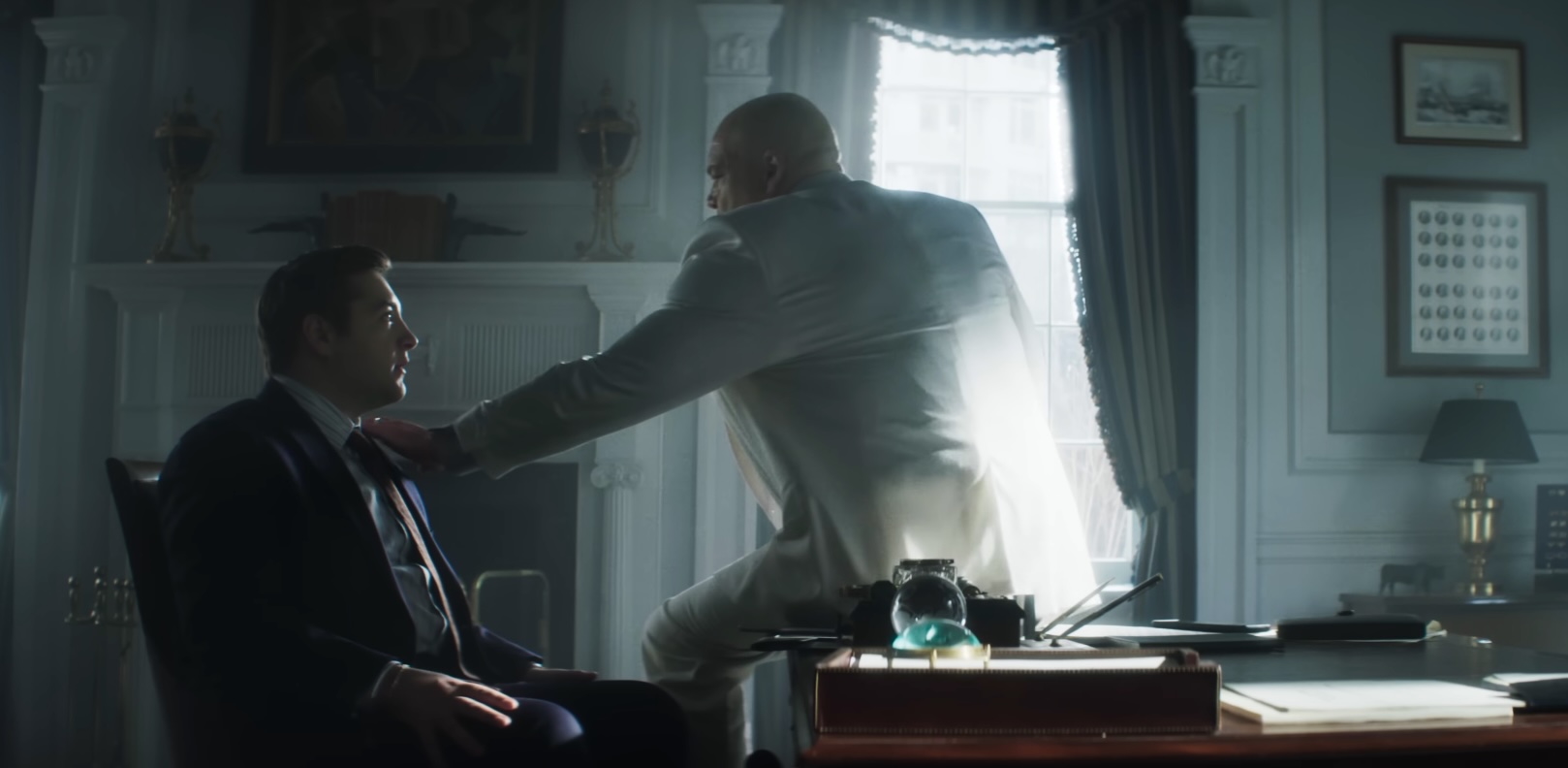
This season boldly attempts to dissect and undermine the power wielded by sycophants and corrupt officials in real life, advocating for a return of power to the people. Daredevil is positioned as a folk hero for the masses, mirroring his comic book origins. As Fisk’s power escalates, Daredevil becomes a symbol of potential revolution.
Subtle metaphorical elements are woven into the season’s costuming, further underscoring Daredevil’s evolving role. His new suit is primarily black, but as events unfold and the dominoes begin to fall, the underlying, hopeful red begins to shine through, signifying a resurgence of optimism.
Strong Performances Drive the Narrative
Daredevil: Born Again Season 2 is populated with numerous compelling characters and storylines. Amidst the overarching theme of corruption, the spotlight isn’t solely on Daredevil. While prolonged periods without his presence might typically lead to viewer disengagement, the strength of the ensemble cast ensures that attention remains captivated.
Wilson Bethel delivers a particularly standout performance as Bullseye this season, imbued with renewed purpose and even more lethal capabilities. The challenge of portraying such a charismatic, complex, and visually striking villain is that it becomes difficult to wholeheartedly root against him. However, the plot ingeniously navigates this potential pitfall.
Margarita Levieva is given ample opportunity to explore Heather Glenn’s character, delving into the trauma she endured in the show’s first season. Michael Gandolfini is perfectly cast as Blake, the aspiring protégé of Fisk who discovers the increasingly dark and complex nature of the world the deeper he ventures.
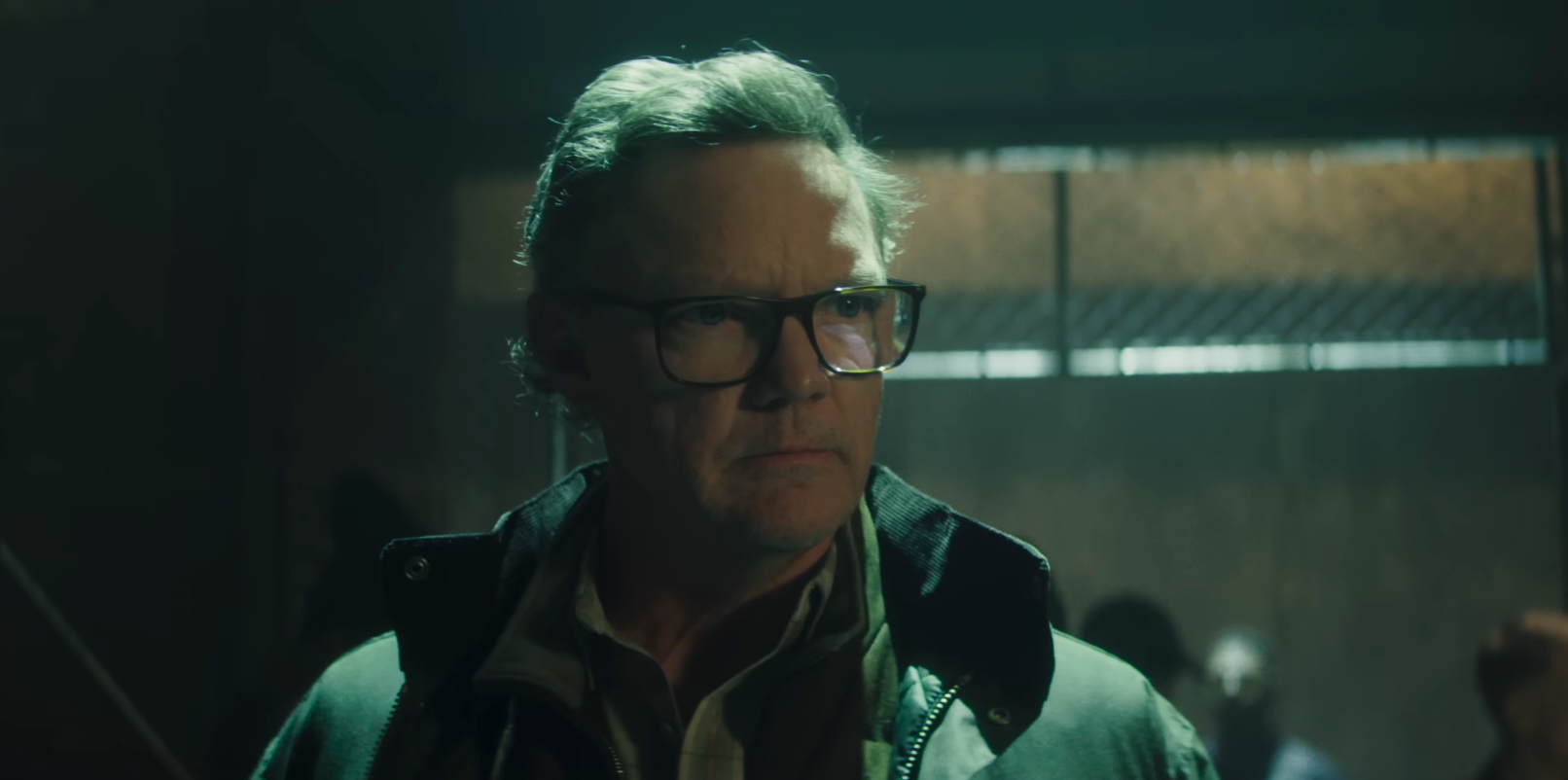
Krysten Ritter also deserves commendation for her return as the stoic and determined Jessica Jones, facing new challenges and responsibilities as her life is upended. Matthew Lilard, as Mr. Charles, frequently threatens to steal scenes with his compelling complexity. Though somewhat underutilized overall, he maximises every moment, exuding charm and wit even in confrontational dialogue scenes against the imposing presence of D’Onofrio.
While there are occasional lulls between character-focused segments, and the season sometimes becomes ensnared in its own grim narrative, the individual strength of each character serves as a vital bridge between the action. They feel authentic and flawed, and even within the rapid pacing of the drama, viewers are afforded moments to understand their motivations and glimpse beyond their facades.
Daredevil: Born Again Season 2 achieves a delicate balance in its handling of its darkest and most pertinent themes. At times, it offers a profound commentary on the real world, delivering a message of encouragement that is unfortunately all too practical. Ideally, no one should require the lessons presented in Born Again, yet the world has become demonstrably darker and more complex than anyone would wish. As a parable of hope for a brighter future, its arrival is remarkably timely.
Season 2 of Daredevil: Born Again is now available for streaming on Disney+.