How to Make a Killing: A Dim Echo of a Classic
The 1949 Ealing comedy masterpiece, Kind Hearts And Coronets, is a film that rightfully deserves to be celebrated and revisited for its sheer brilliance. However, the new film, How To Make A Killing, attempts a modern, Americanised revival of this iconic story, and frankly, it falls rather flat. The premise, which sees Glen Powell as a calculating murderer aiming to inherit a fortune by eliminating the seven relatives ahead of him in line, feels less like a fresh take and more like a clumsy exhumation of a beloved classic.
This marks director John Patton Ford’s second feature film. His previous work, 2022’s Emily The Criminal, a gripping thriller about credit card fraud starring Aubrey Plaza, hinted at a filmmaker with genuine talent.

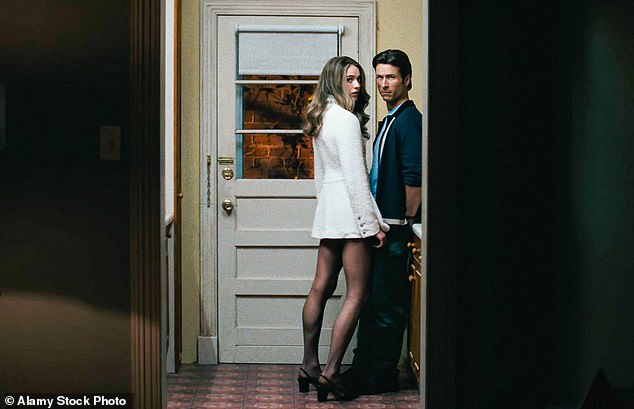
Unfortunately, that promise isn’t particularly evident in How To Make A Killing. Despite a capable cast, including Powell and Margaret Qualley, who plays a striking femme fatale with vibrant scarlet lipstick, the film struggles. The actors do their best to inject some life – and, fittingly, death – into a script that is notably lacking in wit, suspense, or genuine entertainment. By the time the final twist arrives, it’s hardly surprising and certainly not enough to justify the effort of sitting through the entire runtime.
The narrative unfolds through flashbacks. Becket Redfellow, portrayed by Powell, is awaiting execution on Death Row and begins recounting his life story to a priest. His journey into a life of crime is rooted in his upbringing. His mother, ostracised by her gazillionaire father for becoming pregnant out of wedlock, raised Becket in working-class New Jersey. She instilled in him a relentless drive, always urging him to strive for “the right kind of life.”
With the promise of a substantial inheritance dangled before him, Becket sets out on his grim mission. The film depicts his various schemes to dispatch his relatives, including a rather peculiar method involving poisoned teeth whitener. The ultimate goal is clear: to inherit a vast fortune after a series of funerals at the family mausoleum.
The original Kind Hearts And Coronets achieved a unique brilliance in its casting, with the legendary Alec Guinness playing all the doomed relatives. How To Make A Killing offers none of that inventive flair. It’s a challenge to categorize the film; is it a comedy, a thriller, a neo-noir, or perhaps a melodrama? Ultimately, it lands in the category of a significant disappointment.
A Faltering Performance and a Familiar Plot
Glen Powell’s latest cinematic outing is, at its core, a remake of the esteemed Ealing Studios classic, Kind Hearts And Coronets. While the original was a staple for many a quiet afternoon, boasting the talents of Alec Guinness, one of the finest actors of his generation, How To Make A Killing relies on Powell in the central role. To put it mildly, Powell, while undeniably charismatic and a good fit for romantic comedies, doesn’t quite fill the shoes of his predecessor.
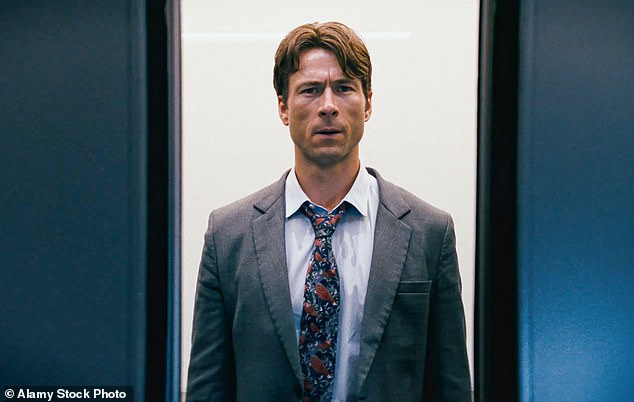
His handsome features and suave demeanour are evident, but the question remains whether there’s significant depth beneath the polished surface. Those who believe there is may find more enjoyment in the film than I did, but for many, the next hour and three-quarters may feel rather protracted.
Powell plays Becket Redfellow, whose mother is cast out of the opulent family estate by her billionaire father when she falls pregnant at 18. However, as she sadly explains to her son before her untimely death about a decade later, while they may have been expelled from the family home, their claim to the family trust remains intact.
All young Becket needs to do is wait for the seven relatives standing between him and the inheritance to meet their end. Or, as the film suggests, he could perhaps expedite matters.
A childhood friend, Julia, jokes, “Call me when you’ve killed them all.” Despite her impending marriage to someone else, Julia maintains a flirtatious connection with Becket, even when he’s struggling as a tailor’s assistant. This sparks an idea, though it’s hardly an original one.
To be fair, Powell is tackling a role equivalent to the one played by Dennis Price in Kind Hearts. Guinness, however, made the original film his own by portraying every single one of the unfortunate relatives. The sheer familiarity of the plot, even in this new setting, limits the potential for genuine surprise or enjoyment.
While the film does offer some moments of amusement as Becket discovers the complexities of murder – he finds himself genuinely fond of one of his intended victims and becomes romantically involved with another’s girlfriend – Margaret Qualley consistently captivates as the enigmatic Julia.
However, if this is the film that will be remembered fondly on a rainy Sunday afternoon in 30 years’ time, I would be profoundly surprised.