
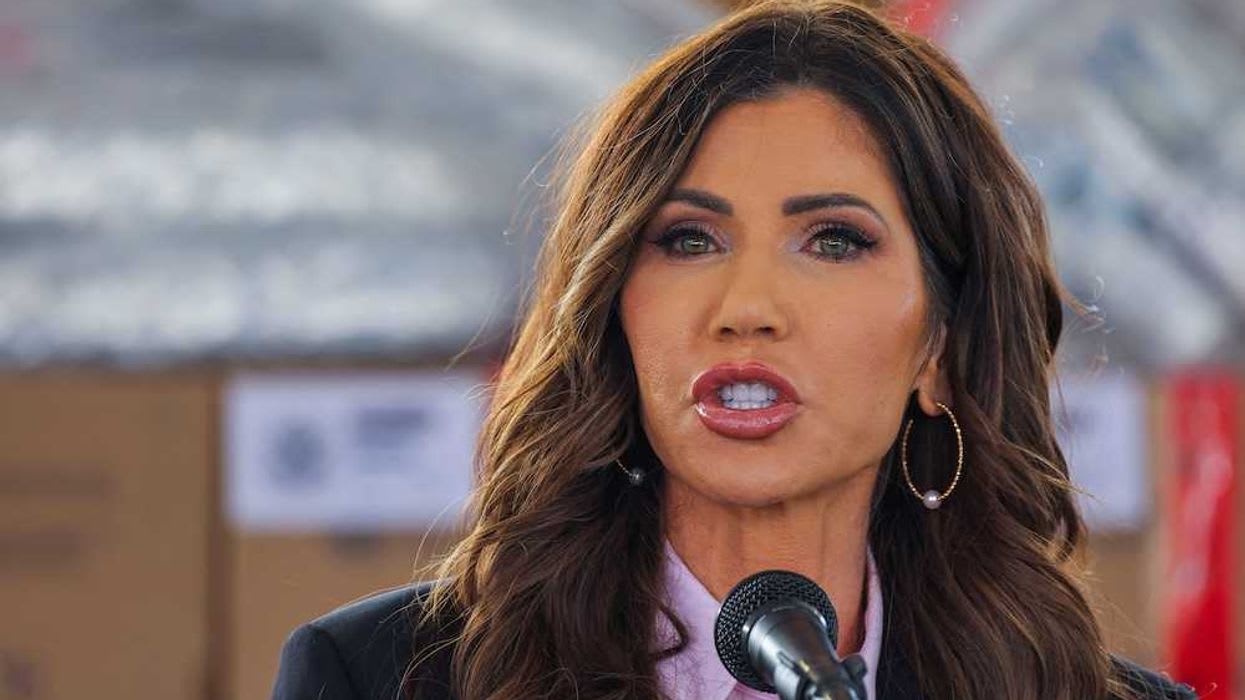
Staffers within the Department of Homeland Security (DHS) have continued to speak out against their former boss, Kristi Noem, painting a picture of a deeply troubled work environment. According to a recent report, “top officials” revealed they felt compelled to resort to “extremes” to shield their private conversations, driven by a pervasive sense of being monitored within what they described as an “overtly toxic” atmosphere at DHS headquarters in Washington, D.C.
A Climate of Distrust and Fear
One experienced staffer described the work environment under Noem and her close associate, Corey Lewandowski, as the “most toxic” they had ever encountered within the department. This environment was reportedly characterised by pervasive “distrust, abuse, and corruption.” The fear of being under surveillance was so profound that “top ICE bosses” reportedly took significant measures to conceal their private discussions, fearing they were being monitored.
High-Tech Eavesdropping Countermeasures
These countermeasures included the deployment of a sophisticated “sound machine” gadget, a tactic likened by one outlet to something out of a James Bond espionage film. These devices are designed to generate specific noises that can mask sensitive conversations, thereby preventing eavesdropping or unauthorised recording. This particular tactic was said to be most prevalent during the initial stages of Noem’s tenure, a period marked by heightened concerns about surveillance.
Parallels to Other Surveillance Fears
The revelations from these sources echo findings from a separate report that emerged around the same time. That report detailed how the Commissioner of Customs and Border Protection (CBP), Rodney Scott, had resorted to using specialised “Faraday bags.” These bags, lined with metal, are designed to block electromagnetic signals, effectively shielding electronic devices from surveillance. Scott was reportedly a target of Noem and Lewandowski, who allegedly sought his removal, leading him to develop a highly “paranoid” state of mind.
An anonymous source commented on this practice, stating, “I had never seen that outside of the intel community, where somebody’s putting their phones in a bag so they’re not emanating and can’t be monitored. I went ahead and put my phone in the bag, and that’s when we had the conversation.” This highlights the extreme lengths to which individuals felt they needed to go to ensure the privacy of their communications.
Contracting Scandals and Internal Strife
The fallout from Noem and Lewandowski’s departure has been significant, with insiders suggesting that “the knives were out” for them following their ousting. Questions surrounding a contracting scandal played a pivotal role in their downfall and reportedly ignited a “civil war” between DHS and the White House.
Core allegations against Lewandowski include directing substantial DHS contracts towards companies owned by his associates and soliciting payments from firms as a consultant in exchange for securing contracts. Lewandowski has reportedly denied these accusations. The controversies surrounding these contracts have cast a long shadow, leading to further scrutiny of the department’s operations and the individuals involved.
The repercussions of these events have extended beyond internal departmental politics, raising broader questions about accountability and the integrity of government contracting processes. The detailed accounts from former staffers underscore the significant challenges faced by the department during this period and the lasting impact on its personnel and operations.


