


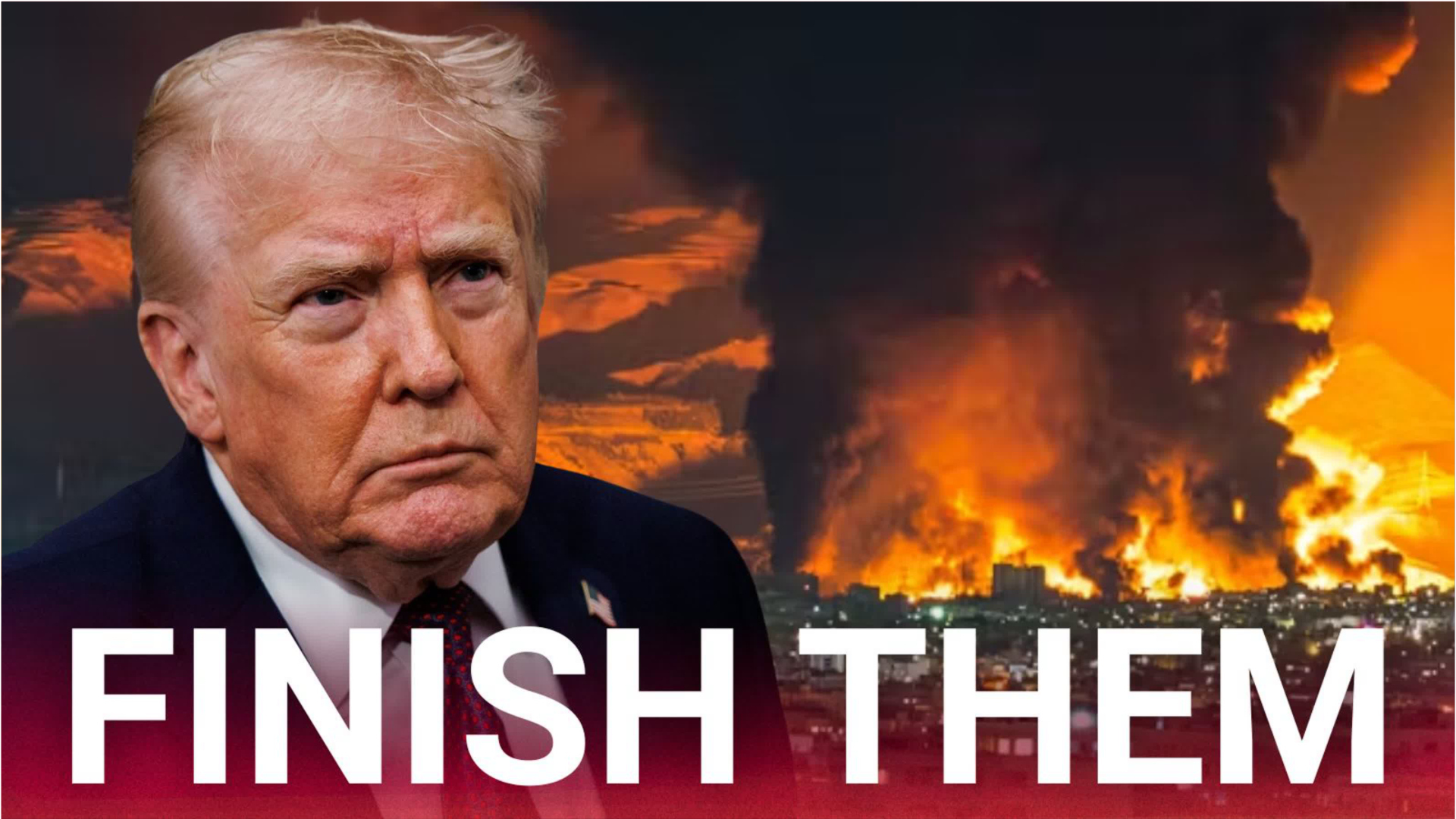
Gulf Allies Demand Decisive Action Against Iran
Key United States allies in the Persian Gulf region are strongly urging Washington to adopt a more assertive stance and “finish the job” in its dealings with Iran. This collective plea from nations like Saudi Arabia signifies a belief that the current geopolitical climate has reached a critical juncture, necessitating a firm and conclusive resolution to ongoing regional tensions.
Leaders across the Gulf are demonstrating an increasingly unified front with the US, a sentiment echoed by President Trump, who stated that Gulf nations are “100 per cent on our side.” This alignment underscores a shared concern over Iran’s regional activities and a mutual desire for a more stable and secure Middle East. The urgency behind these calls is amplified by a recent surge in Iranian missile and drone attacks that have specifically targeted critical infrastructure and urban centres throughout the Gulf. These attacks have not only raised security alarms but have also underscored the volatile nature of the region and the perceived threat emanating from Tehran.
Key US allies in the Gulf are urging Washington to press forward and “finish the job” against Iran.
Saudi Arabia and other regional powers believe the conflict has reached a pivotal moment that demands a decisive outcome.
Leaders in the region are increasingly aligned with the US, with President Trump saying Gulf nations are “100 per cent on our side.”
The escalating provocations have prompted a recalibration of diplomatic and strategic priorities for these Gulf states. They are no longer content with a strategy of containment or deterrence alone; instead, they are advocating for a more proactive and definitive approach to neutralise perceived threats and establish a lasting peace. This sentiment is not merely rhetorical; it is backed by a deep understanding of the regional dynamics and the potential consequences of inaction.
The Rationale Behind the Gulf’s Assertive Stance
The calls for decisive action stem from a confluence of factors, primarily driven by Iran’s persistent pursuit of regional influence and its willingness to employ asymmetric warfare tactics. The repeated missile and drone strikes serve as a stark reminder of the tangible risks faced by these nations.
- Security Concerns: The primary driver for the Gulf allies is the direct threat to their national security and the safety of their citizens. The attacks, even if primarily aimed at infrastructure, carry the implicit threat of escalation and have the potential to cause significant civilian casualties.
- Economic Stability: The region’s economic prosperity is heavily reliant on stable energy markets and secure trade routes. Iranian actions that disrupt these vital arteries pose a direct threat to the economic well-being of the Gulf states and, by extension, the global economy.
- Regional Power Balance: For decades, Saudi Arabia and its neighbours have sought to counter Iran’s growing regional ambitions. They view Iran’s current trajectory as a destabilising force that undermines the existing power balance and threatens the security architecture of the Middle East.
- Perceived US Hesitation: While the US has maintained a strong security presence in the region, Gulf allies sometimes perceive a lack of decisive action or a tendency towards de-escalation that they believe emboldens Iran. This has led to a desire for a more robust and unwavering US commitment.
The push comes after waves of Iranian missile and drone attacks targeting Gulf infrastructure and cities.
Diplomatic and Strategic Implications
The unified voice of the Gulf nations presents a significant diplomatic opportunity for the United States. By aligning with its regional partners, Washington can project a stronger, more cohesive front against what it perceives as Iranian aggression. This could translate into several key strategic moves:
- Enhanced Sanctions Regimes: A more robust approach could involve tightening existing sanctions on Iran and exploring new avenues to curtail its revenue streams, thereby limiting its capacity to fund proxy groups and develop advanced weaponry.
- Increased Military Cooperation: Joint military exercises and intelligence sharing could be intensified to enhance deterrence capabilities and improve response times to any future attacks. This could also involve the deployment of advanced defensive systems.
- Diplomatic Pressure: A concerted diplomatic effort at international forums, such as the United Nations, could be mounted to condemn Iran’s actions and isolate it on the global stage.
- Support for Regional Security Architecture: The US could play a more active role in fostering a comprehensive regional security framework that involves all relevant actors, aiming to de-escalate tensions and build trust.
The current moment is indeed pivotal. The Gulf states, backed by their strategic alignment with the US, are signalling a clear demand for a resolution that goes beyond mere containment. Their calls to “finish the job” reflect a deep-seated desire for a permanent shift in the regional security landscape, one that prioritises stability and security for all nations involved. The onus is now on Washington to respond to this urgent plea and to work collaboratively with its allies to forge a path towards a more peaceful and prosperous Middle East.


