
Global Call to Action Against Human Trafficking
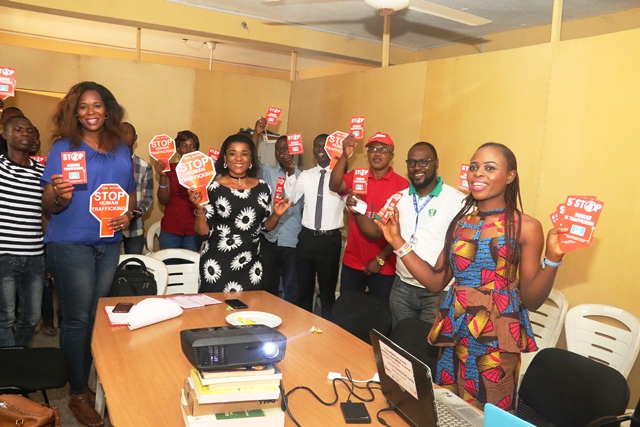
The Global Anti-Human Trafficking Organisation (GAHTO) has issued a strong appeal for immediate and coordinated efforts to address the alarming increase in human trafficking cases within the country. In a recent statement, GAHTO’s founder, Prosper Michael, emphasized the urgent need for collaboration between the Nigerian government, international organizations, and private individuals to dismantle trafficking networks and safeguard vulnerable populations.
Michael highlighted that human trafficking is one of the fastest-growing criminal enterprises globally, driven by organized networks that exploit the most vulnerable members of society. He described the crime as a serious violation of human rights, noting that traffickers use deception, coercion, and false promises to lure their victims.
“Human trafficking remains a grave crime against humanity. These networks take advantage of vulnerable individuals and strip them of their dignity and freedom,” he said. “It is one of the fastest-growing criminal enterprises globally, driven by organized networks that prey on vulnerable individuals. Rescue, rehabilitation, and empowerment all require significant resources. Without support, our efforts are limited.”
Survivor Stories Highlight the Severity of the Issue
Three survivors shared their harrowing experiences of being lured with promises of jobs abroad but instead ended up in forced prostitution. Abibat, Boluwatife, and Zainab recounted how they were promised employment in Malaysia but were instead trafficked to Mali and other African countries.
According to their accounts, they were recruited by a suspected agent named Peter Osas and convinced through a staged video call with a woman known as “Angel.” “We were told to cooperate with any questioning, and everything seemed real at the time,” one of the victims said.
Their journey began on February 17, 2026, from Lagos through the Seme border into Cotonou, Benin Republic, and across several undocumented routes. They only realized they had been deceived after arriving at a remote settlement in Mali known as Jabani. “They changed our names, placed us under strict watch, and forced us into prostitution,” one of them said.
The women were subjected to a debt bondage system of about 1.2 million CFA francs each and endured harsh conditions, including physical abuse, illness, and restricted communication. “There was constant pressure to meet daily targets. Some of the girls there were as young as 13,” another survivor said.
Their rescue was eventually secured through joint efforts by the National Agency for the Prohibition of Trafficking in Persons and GAHTO after they managed to contact their families.
Broader Implications and Calls for Support
Michael noted that the trafficking crisis is widespread, with Nigerian victims often taken to countries such as Egypt, Libya, Iraq, and other parts of West Africa. “Victims are often stripped of their freedom. Their documents are confiscated, and their movements restricted, effectively reducing them to modern-day slavery,” he said.
He added that while many women are forced into sexual exploitation, men are also trafficked for forced labor under false job offers. “Every victim represents lost potential. These are individuals who could have contributed meaningfully to national development,” he said.
The organization also raised concerns about Nigerians currently stranded in Egypt under exploitative labor conditions. Many are too weak to work and unable to return home due to strict residency requirements and lack of funds.
GAHTO called for immediate evacuation efforts to rescue affected victims and proposed the establishment of vocational training centers to rehabilitate survivors and equip them with practical skills.
The Path Forward
Addressing human trafficking requires a multi-pronged approach that includes prevention, rescue, rehabilitation, and reintegration. It is essential for governments, NGOs, and communities to work together to create awareness, strengthen legal frameworks, and provide support systems for survivors.
By raising awareness and implementing effective strategies, it is possible to combat this global issue and protect the most vulnerable members of society. The stories of these survivors serve as a reminder of the urgency of the matter and the importance of collective action.