
A New Government in Nepal Faces Political Controversy
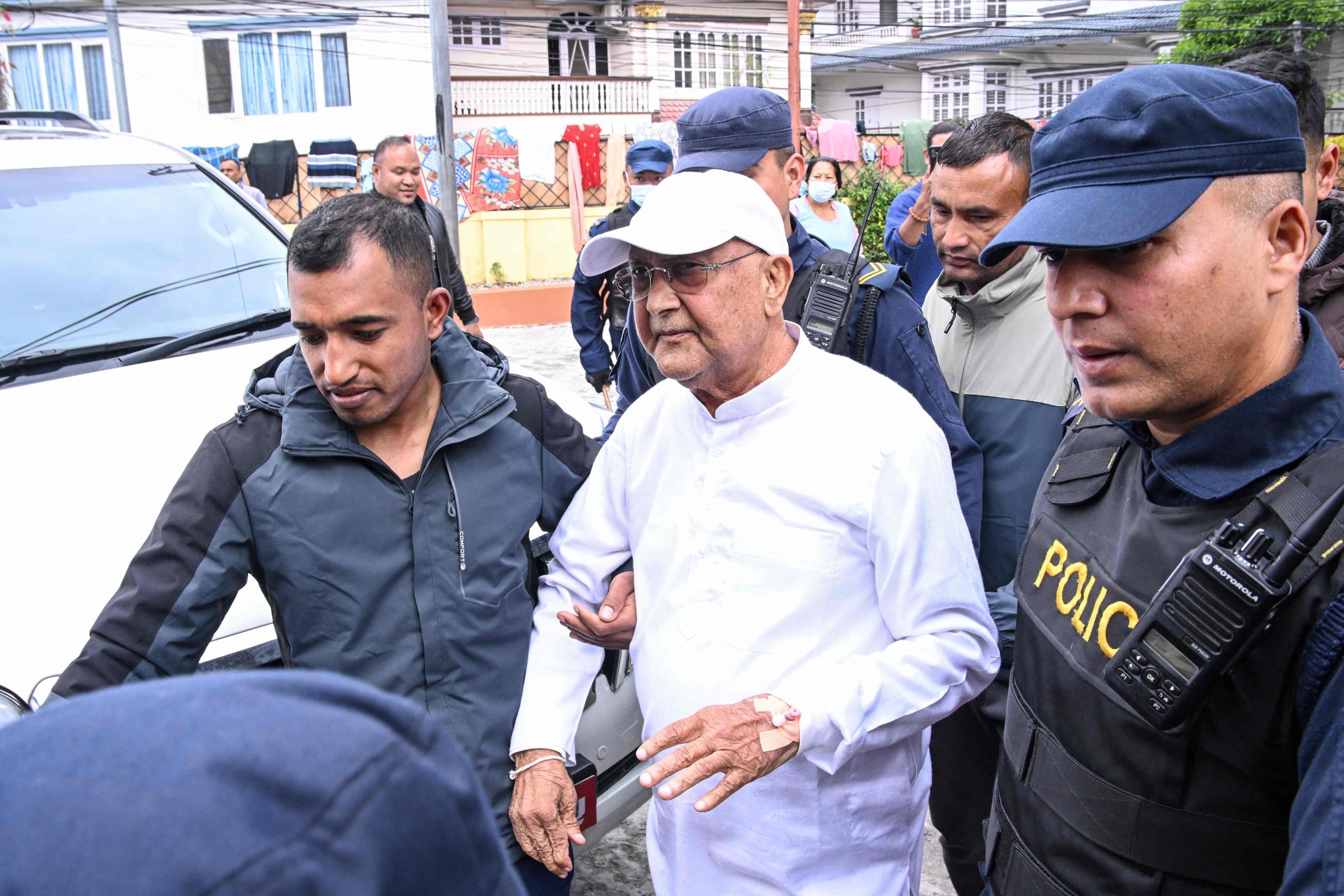
The newly formed government led by Balendra Shah, a 35-year-old former leader of the Z generation anti-government protests in Nepal, has quickly become the center of political controversy. Since its inauguration, the government has faced accusations of engaging in political retaliation. On the day after the new administration was established, Nepalese police raided the homes of former Prime Minister Sher Bahadur Deuba, 74, and former Home Minister Ramesh Lekhak, 63, and arrested them.
Deuba is being charged with failing to prevent police violence during last year’s anti-government protests. These demonstrations were sparked by a government-imposed social media shutdown, which resulted in 76 deaths and over 2,300 injuries. As the unrest intensified, key government buildings and the prime minister’s residence were set on fire, leading to widespread chaos and ultimately forcing the previous regime to step down.
Election Results and Government Formation
Following a transitional period, Shah’s newly formed National Independent Party secured a decisive victory in the fifth general election, winning 182 out of 275 seats. Before the government took office, a protest investigation committee recommended prosecuting Deuba and others for their roles in the events of last year. Two days after this recommendation, the new government decided to act immediately, launching a criminal investigation at its first cabinet meeting.
Deuba, who entered politics at the age of 18 by joining the Communist Party, held several key positions, including home minister, foreign minister, and prime minister four times. He became one of Nepal’s most influential political figures. However, he was effectively removed from power due to the fallout from the anti-government protests and suffered a significant defeat to Shah in his own constituency during the general election.
A Younger, More Diverse Cabinet
In this election, the proportion of lawmakers under the age of 40 increased to 37%, more than three times the previous parliament’s 11%. The new government has taken steps to exclude members from existing parties, with ten of the 15 ministers under the age of 40. The average age of the cabinet is 38.21 years. Sudan Gurung, 38, who led last year’s protests, was appointed as home minister, while Swarnim Wagle, 51, a former official with the World Bank and Asian Development Bank, was named finance minister.
The new administration has also hinted at a potential shift in policy, suggesting a review of Nepal’s involvement in the One Belt, One Road project. This could signal a departure from the previous government’s pro-China stance.
Public Reaction and Political Tensions
As news of the arrests spread, hundreds of Deuba’s supporters gathered in Kathmandu, burning tires and clashing with police to demand the release of the detained officials. The Communist Party of Nepal, which was once the ruling party but is now in opposition, criticized the move as “baseless political retaliation.” They announced plans to submit protest letters in 77 regions across the country.
Since the abolition of the monarchy in 2008, Nepal has experienced significant political instability, with over a dozen changes in prime ministers. Chronic economic hardship and public dissatisfaction with traditional politics have fueled growing unrest, culminating in last year’s anti-government protests.


