Introduction to Israel’s New Death Penalty Law
Israel has taken a significant step in its legal framework by passing a new law that introduces the death penalty for Palestinians convicted of fatal attacks. This legislation, approved by the Knesset on Monday night, marks a turning point in the country’s approach to counterterrorism and justice. The law is part of the “Penal Bill (Amendment — Death Penalty for Terrorists)” and aims to reinforce the state’s stance against terrorism.
Historical Context of Capital Punishment in Israel
Capital punishment has been a contentious issue in Israel for decades. While it was abolished in 1954 for ordinary crimes and peacetime offenses, it remained permissible for crimes against humanity or the Jewish people, as well as under martial law. Historically, the death penalty was rarely enforced, with only two executions taking place since the establishment of the state: one in 1948 and another in 1962.
The recent law represents a shift in policy, especially following the Hamas-led attacks on October 7, 2023. Proponents argue that this measure is necessary to deter future acts of terror, while critics raise concerns about its ethical implications and potential discrimination.
Key Provisions of the New Law
The law outlines specific conditions under which the death penalty can be applied. It states that individuals who intentionally cause the death of others with the aim of harming Israeli citizens or residents and rejecting the existence of the State of Israel may face the death penalty or life imprisonment.
There are two tracks for implementation: one for criminal courts in Israel and another for military courts in the occupied West Bank. Military courts, which exclusively try Palestinians under military law, will now impose mandatory death sentences unless there are “special reasons” for commutation. A simple majority of judges, rather than consensus, will decide such cases, and appeals will be limited.
Implementation and Legal Challenges
The new law will not apply retroactively or to those involved in the October 7 attacks. However, a separate bill may still be introduced to establish a special tribunal for those indicted in the attacks. The Israel Prison Service will carry out the death sentence within 90 days, with the possibility of a 180-day delay requested by the prime minister.
Critics, including human rights organizations like B’Tselem, have raised concerns about the fairness of military courts, which have a high conviction rate based largely on confessions obtained under duress. Additionally, a Knesset legal advisor warned that the law contradicts international conventions by not allowing for pardons.
Political Motivations and Public Reaction
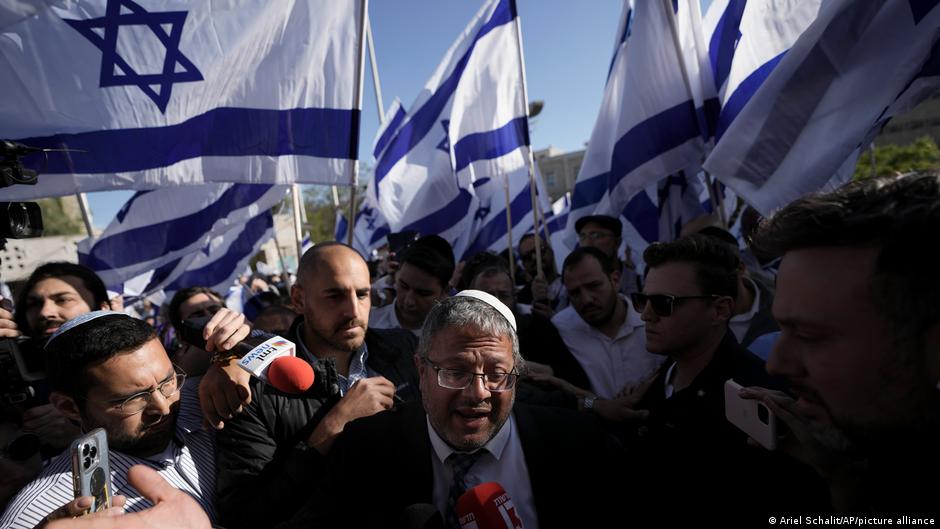
The death penalty bill was sponsored by lawmakers from the far-right Jewish Power party, with support from Netanyahu’s Likud and Yisrael Beitenu parties. Itamar Ben-Gvir, head of Jewish Power and Minister of National Security, played a key role in promoting the law, using it as a populist campaign tool.
Human rights groups have criticized the law as discriminatory, arguing that it disproportionately targets Palestinians. Palestinian lawyer Sahar Francis called the law “very dangerous,” highlighting its potential to dehumanize and marginalize the Palestinian population.
International and Domestic Criticism
The law has drawn strong opposition from both domestic and international entities. Israeli opposition lawmakers, security officials, and religious leaders have condemned the bill, calling it extreme and morally unacceptable. The United Nations Human Rights Council urged Israel to withdraw the bill, citing violations of international law. The European Union also expressed concern, emphasizing its opposition to capital punishment in all circumstances.
Conclusion
The passage of this law reflects a complex interplay of political, legal, and ethical considerations. While supporters argue it is a necessary response to terrorism, opponents warn of its potential to deepen divisions and undermine human rights. As the law takes effect, its impact on Israeli society and international relations remains to be seen.