
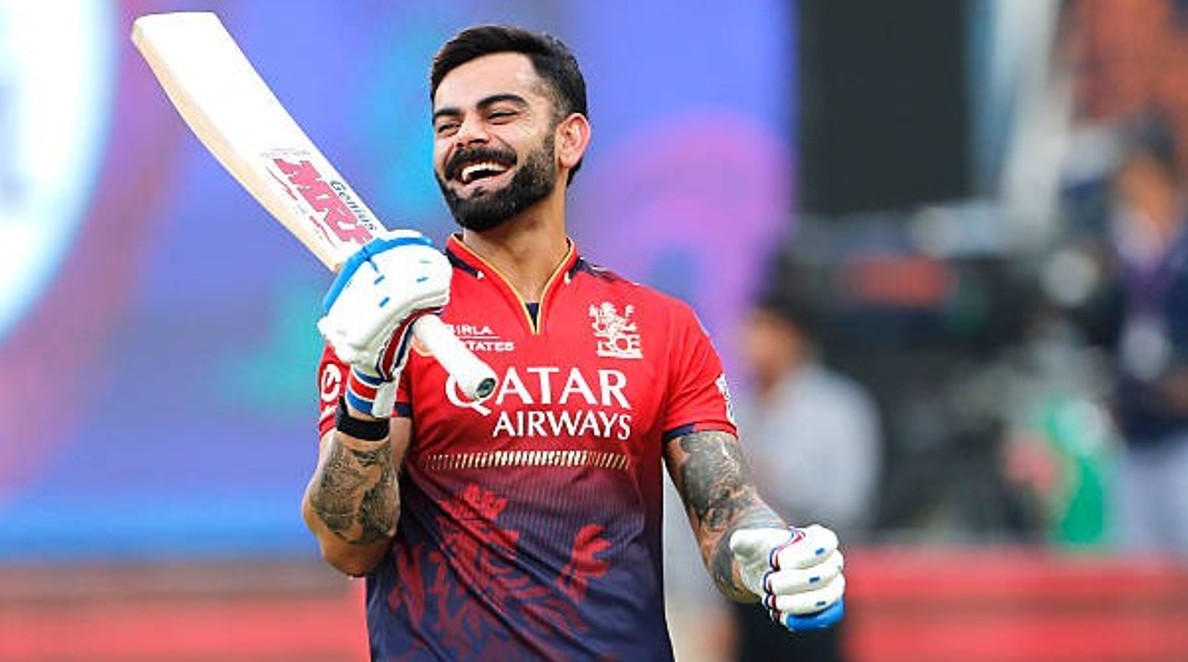
Virat Kohli’s Struggles in IPL 2026: A Disappointing Performance
Virat Kohli’s recent performance against the Mumbai Indians has left many questioning his effectiveness as a key player for the Royal Challengers Bengaluru (RCB). His half-century, which came from 38 balls, is being viewed as one of the weakest knocks of the IPL 2026 season. The moment he was dismissed in the 15th over brought a sense of relief to the RCB team, as their run rate stood at 12.61 during that critical phase.
Kohli’s batting average of 8.06 and a strike rate of 131.58 highlight the challenges he faced during this match. After removing his 50 runs, RCB scored 135 runs in 8.2 overs, with an impressive output of 16.46 runs per over. This indicates that his innings actually benefited the opposing team, the Mumbai Indians.
Comparative Analysis of Batsmen
The performance of other batters in the RCB lineup shows a stark contrast. Phil Salt, Kohli’s opening partner, reached his milestone after just 25 balls, scoring 78 runs from 36 deliveries. Rajat Patidar, the skipper, achieved the same feat after 17 balls, adding 53 runs from 20 deliveries. Salt scored 28 runs more than Kohli despite facing two fewer deliveries, while Patidar used 18 fewer balls and still added three more runs.
Here’s a breakdown of the batters’ performances:
- Phil Salt: 78 runs from 36 balls, with 6 fours and 6 sixes, a strike rate of 216.66.
- Virat Kohli: 50 runs from 38 balls, with 5 fours and 1 six, a strike rate of 131.57.
- Rajat Patidar: 53 runs from 20 balls, with 4 fours and 5 sixes, a strike rate of 265.00.
- Tim David: 34 runs from 16 balls, with 2 fours and 3 sixes, a strike rate of 212.50.
Kohli performed better than Salt during the initial phase of his batting, scoring 20 runs from 11 balls after four overs. However, his performance declined significantly afterward, managing only five runs from his next eight deliveries by the end of the eighth over.
Criticism and Suggestions
Some observers believe that Kohli’s poor performance can be attributed to Phil Salt taking most of the delivery opportunities. This argument has some merit, as Kohli struggled to connect with the ball, often failing to score singles. Salt achieved a strike rate of 216.67 before being out, while Kohli managed a strike rate of 131.58 when he departed in the 15th over. Patidar, on the other hand, displayed even more aggressive play, achieving a scoring rate of 265 during that timeframe.
After Salt was dismissed, former New Zealand cricketer and commentator Simon Doull suggested that Kohli should retire out, similar to how Ayush Mhatre did the previous day. Kohli’s performance created disappointment, as the RCB batting lineup included players like Tim David, Jitesh Sharma, and Romario Shepherd who could have helped the team reach 250 runs.
Challenges Ahead
The outcome of the match between RCB and their opponents will largely depend on Kohli’s batting performance. Critics have long doubted his ability to accelerate run scoring during the middle overs. During the powerplay, Kohli managed 22 runs from 14 balls, but his scoring dropped to 28 runs from 24 balls after the powerplay ended.
The pitch allowed the top three batters, Salt and Patidar, to achieve higher scoring results despite facing fewer total batting opportunities. Kohli has made attempts to adapt his playing style to current cricket requirements, incorporating sweeps into his batting and showing increased aggression during powerplay matches. However, he continues to fall short of meeting the demands of modern T20 cricket, which will create ongoing challenges for RCB throughout their entire season.


