

It’s been quite the year for medications like Ozempic and Mounjaro, with an estimated 1.5 million individuals in the UK reportedly using these weight loss injections. But as we approach 2025, a different kind of drug is gaining attention, this time targeting alcohol consumption rather than food intake.
Naltrexone, sometimes playfully referred to as “Ozempic for drinkers,” is generating buzz on social media for its potential to help individuals struggling with excessive alcohol consumption to reduce their intake.
Similar to how medications for type 2 diabetes function, Naltrexone targets the brain’s reward pathways to curb cravings. While Ozempic aims to reduce appetite, Naltrexone works by blocking the pleasurable effects of alcohol and diminishing the urge to drink.
Sound like it could be helpful during the Christmas party season? Here’s a comprehensive look at Naltrexone, covering how it works and how it’s prescribed.
Understanding Naltrexone
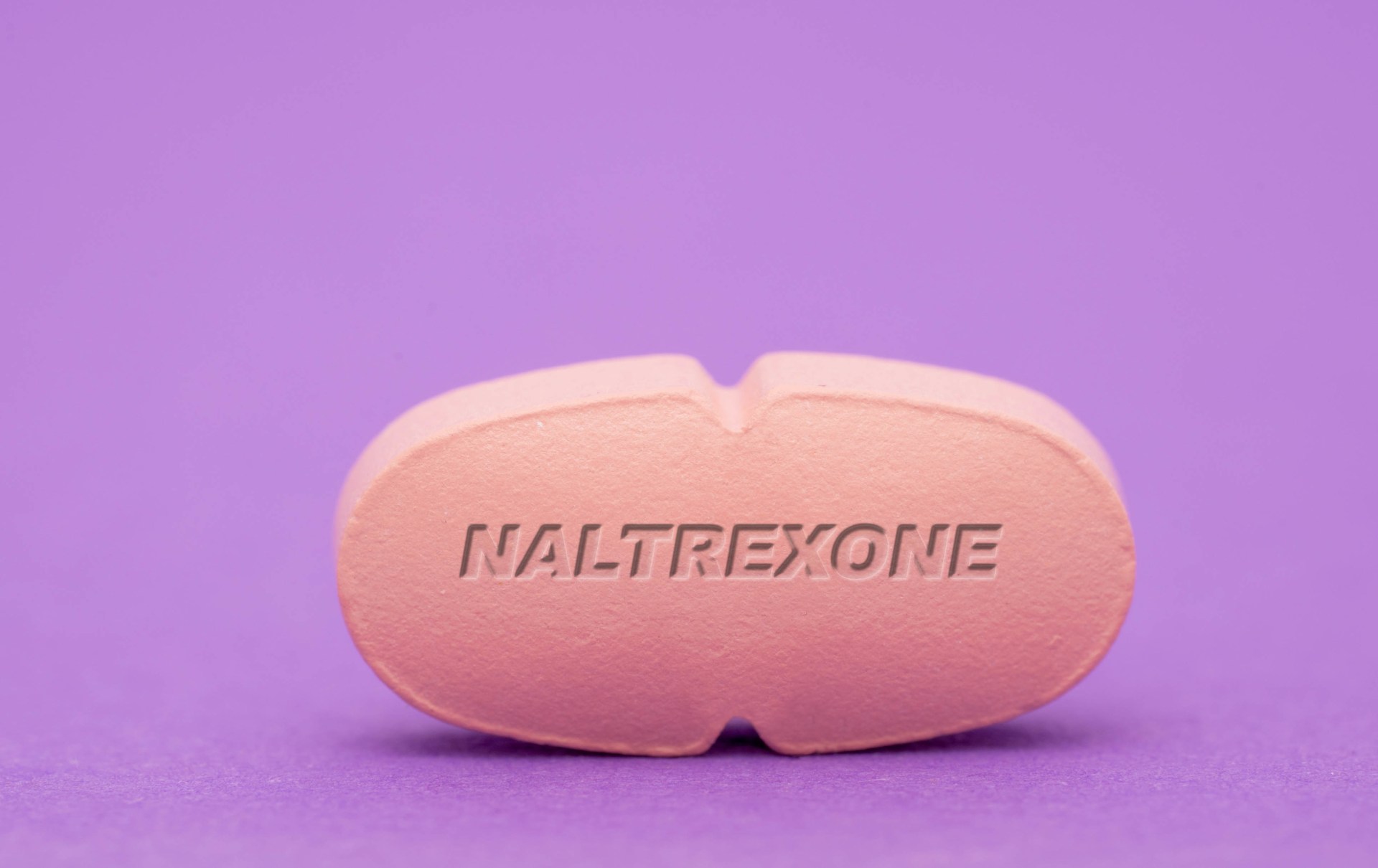
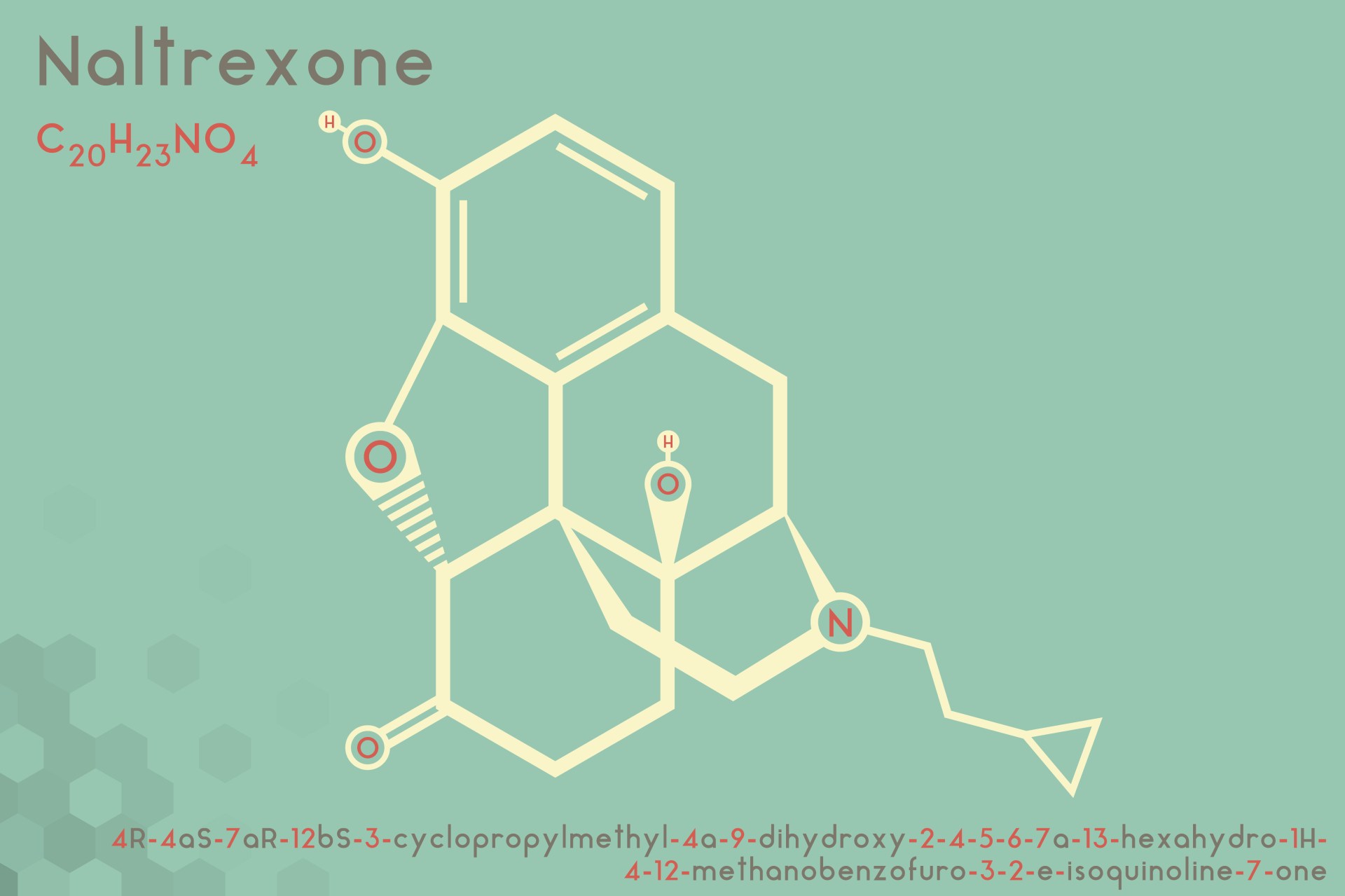
Dr. Suzanne Wylie, a general practitioner and medical advisor for IQdoctor, explains that Naltrexone is a medication that “works by blocking the effects of opioids in the brain, which can help reduce the pleasurable effects associated with drinking alcohol.”
She further elaborates, “By doing so, it may help individuals who are trying to reduce their alcohol intake or quit drinking entirely. When taken as prescribed, Naltrexone can decrease the urge to consume alcohol, making it easier for individuals to stick to their recovery goals.”
While it’s been nicknamed “Ozempic for drinkers,” it’s crucial to understand that these medications serve different purposes.
Ozempic, a brand of semaglutide, is “primarily used for weight management and diabetes, while Naltrexone is an opioid antagonist used to help reduce alcohol cravings and consumption.”
How Naltrexone Helps Reduce Alcohol Consumption
Dr. Deepali Misra-Sharp, a clinical lead for both substance misuse and women’s health, explains that Naltrexone works by reducing cravings and has been shown to reduce both the “frequency and severity of relapse, especially in people committed to cutting down or quitting.”
She adds that “by diminishing the reward associated with alcohol, Naltrexone increases the likelihood of maintaining abstinence.”
Obtaining a Naltrexone Prescription
Naltrexone is only available with a prescription, which can be obtained privately or through the National Health Service (NHS).
Dr. Deepali outlines that NHS general practitioners can assess a patient’s alcohol use and determine if Naltrexone treatment is appropriate.
They can also make referrals to specialist alcohol treatment services, which may incorporate psychological support alongside the medication.
“These treatment approaches are typically most successful when combined with ongoing support, lifestyle changes, and therapies tailored to the individual’s needs,” Dr. Deepali explains.
Naltrexone can also be purchased privately, potentially costing around £100 a month following a consultation – or approximately £3 per pill. However, many users report saving money by reducing their alcohol consumption.
Real-Life Experiences with Naltrexone
While Naltrexone isn’t intended for individuals seeking to limit alcohol intake on a one-off basis (self-control remains the best approach for occasions like Christmas parties), it can be a significant help for those who drink regularly and have developed a more serious dependency.
Kate, who chose to withhold her surname, describes the impact of Naltrexone as “miraculous.” Following the birth of her second child, Kate, who manages her business from home and homeschools her children, began drinking frequently.
“I was drinking every night for weeks straight,” she shared. “And it was impacting my family.”
Seeking a solution, Kate started taking Naltrexone a couple of months ago.
“It’s doing something to my brain. I’m already drinking less, having far more sober days, and feel more mindful when I do drink,” she said. “Looking back to where I was, I can hardly recognise myself now.”
Alternative Treatments for Alcohol Consumption
Beyond counselling and lifestyle adjustments, Naltrexone isn’t the only medical option for addressing excessive alcohol consumption. Dr. Suzanne notes that medications like acamprosate and disulfiram function in similar ways.
Acamprosate works to “restore the balance of neurotransmitters in the brain that alcohol disrupts,” while disulfiram causes “unpleasant reactions” to alcohol, acting as a deterrent against excessive consumption.
The Dangers of Overconsuming Alcohol
Dr. Deepali emphasizes that one of the most significant dangers of excessive alcohol consumption is liver disease, which is the leading cause of liver disease in the UK.
“Many people are unaware of the damage they’re doing to their liver, as symptoms often appear only when the disease has progressed to an advanced stage,” she says.
Furthermore, alcohol is a known carcinogen and, as Dr. Deepali points out, is responsible for at least seven types of cancer, including breast, liver, mouth, and throat.

“Cancer Research UK highlights that alcohol-related cancer risk increases from the very first drink, and there is no “safe” level of consumption in terms of cancer risk,” Dr. Deepali notes.
Excessive alcohol consumption can also negatively impact heart health. While moderate drinking has been linked to some cardiovascular benefits, excessive alcohol consumption leads to high blood pressure, a major risk factor for stroke and heart disease.

