
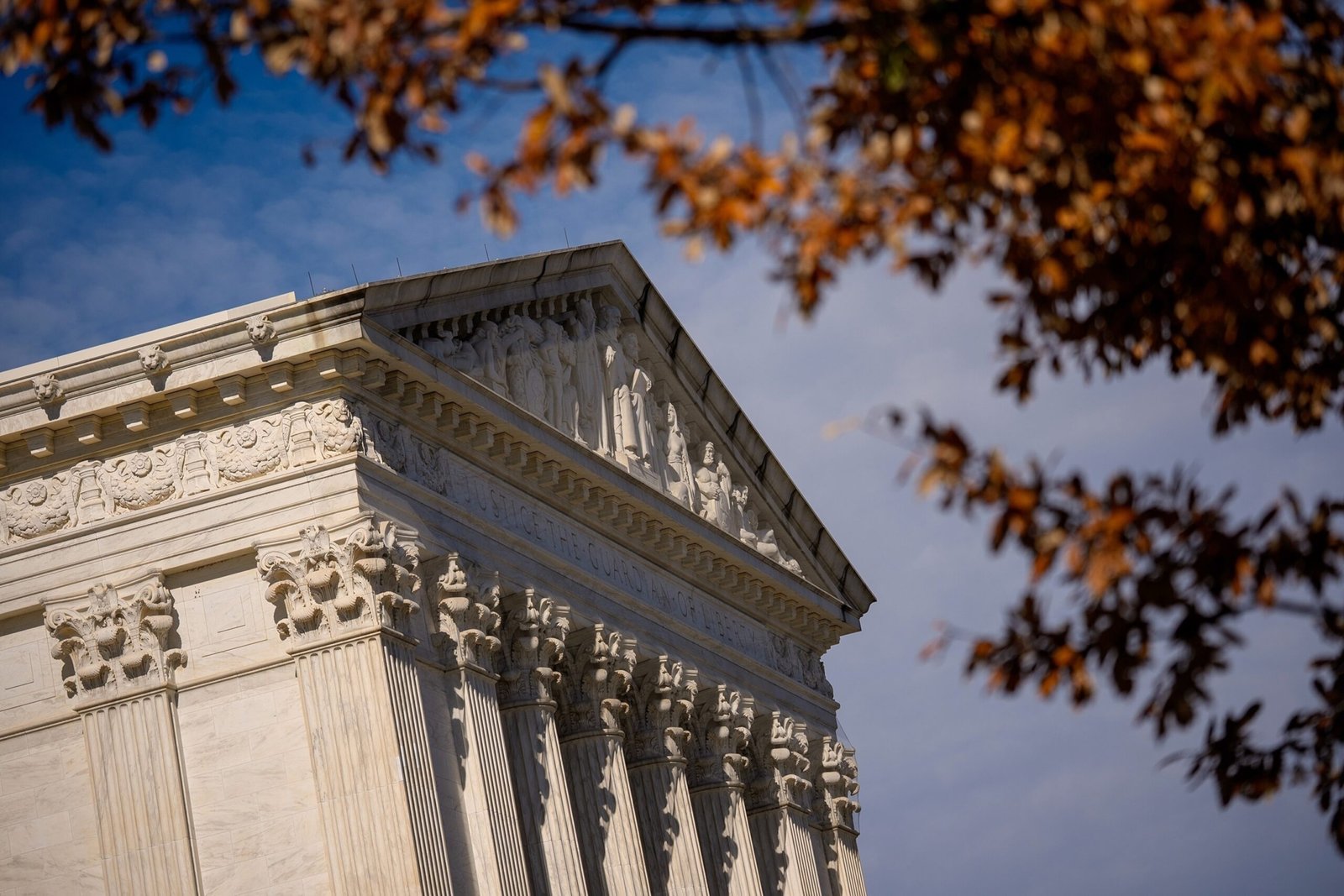
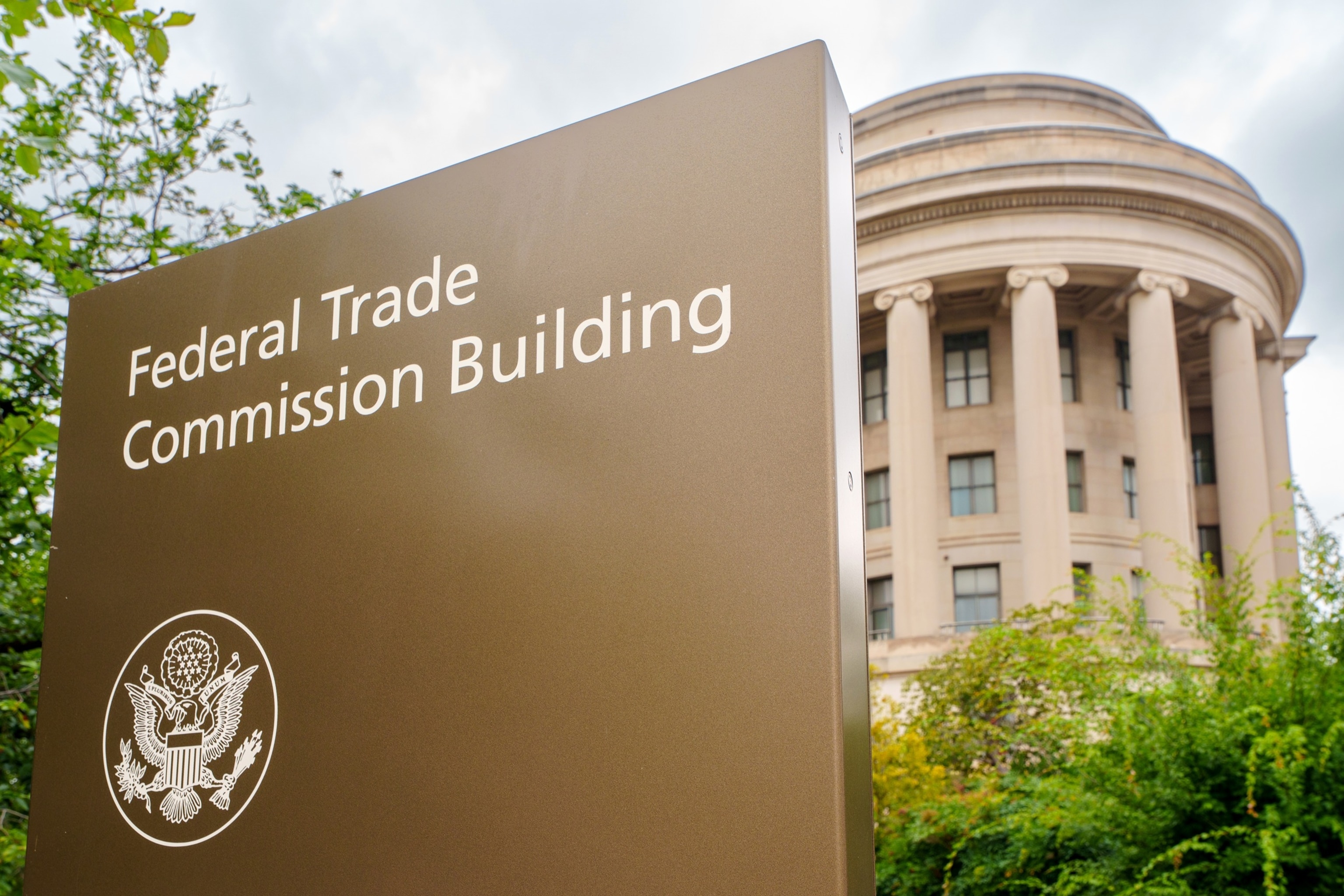
The Supreme Court appears poised to grant the President broad authority to remove members of independent agencies, potentially reshaping the structure of the federal government and significantly expanding presidential power. During oral arguments in Trump v. Slaughter, a case centered on President Trump’s attempt to remove a Democratic member of the Federal Trade Commission (FTC), a majority of the justices seemed inclined to side with the executive branch.
This case could have far-reaching consequences, potentially impacting the independence of numerous bipartisan agencies designed by Congress to operate free from political interference. These agencies, staffed by experts from both parties, oversee critical aspects of American life, including monetary policy, stock trades, transportation systems, election campaigns, consumer product safety, and broadcast licenses.
The core legal question revolves around the extent of presidential control over government bodies performing executive functions like rulemaking and law enforcement. The conservative justices on the court repeatedly referenced Article II of the Constitution, which vests “the executive power” in the President and tasks him with ensuring that laws are “faithfully executed.” This line of reasoning suggests a belief that the President should have ultimate authority over those carrying out these functions.
A ruling in favor of the President would likely overturn or significantly curtail the 1935 Supreme Court decision in Humphrey’s Executor v. U.S. That landmark case upheld limitations on a president’s ability to fire FTC commissioners, stipulating that they could only be removed “for cause.”
Chief Justice John Roberts expressed a dismissive view of the Humphrey’s Executor precedent, while Justice Samuel Alito questioned whether Congress could circumvent the President’s authority by creating multi-member commissions heading cabinet offices, whose members are not subject to at-will removal.
The court’s liberal justices voiced strong concerns about the potential consequences of such a ruling. Justice Sonia Sotomayor warned that the court was being asked to “destroy the structure of government.” Justice Elena Kagan cautioned about a “slippery slope,” arguing that the President would gain “massive unchecked, uncontrolled power not only to do traditional execution [of the laws] but to make law” through the agencies’ regulatory authority. Justice Ketanji Brown Jackson highlighted the “danger” of allowing a president to replace independent commission members with “loyalists and people who don’t know anything” about the agency’s area of expertise.
The attorneys presented starkly contrasting views of the potential fallout. The attorney representing the terminated FTC Commissioner argued that “everyone is on the chopping block” if the President prevails. The Solicitor General representing the Trump administration countered that the “sky will not fall” and that the government would simply operate with greater accountability.
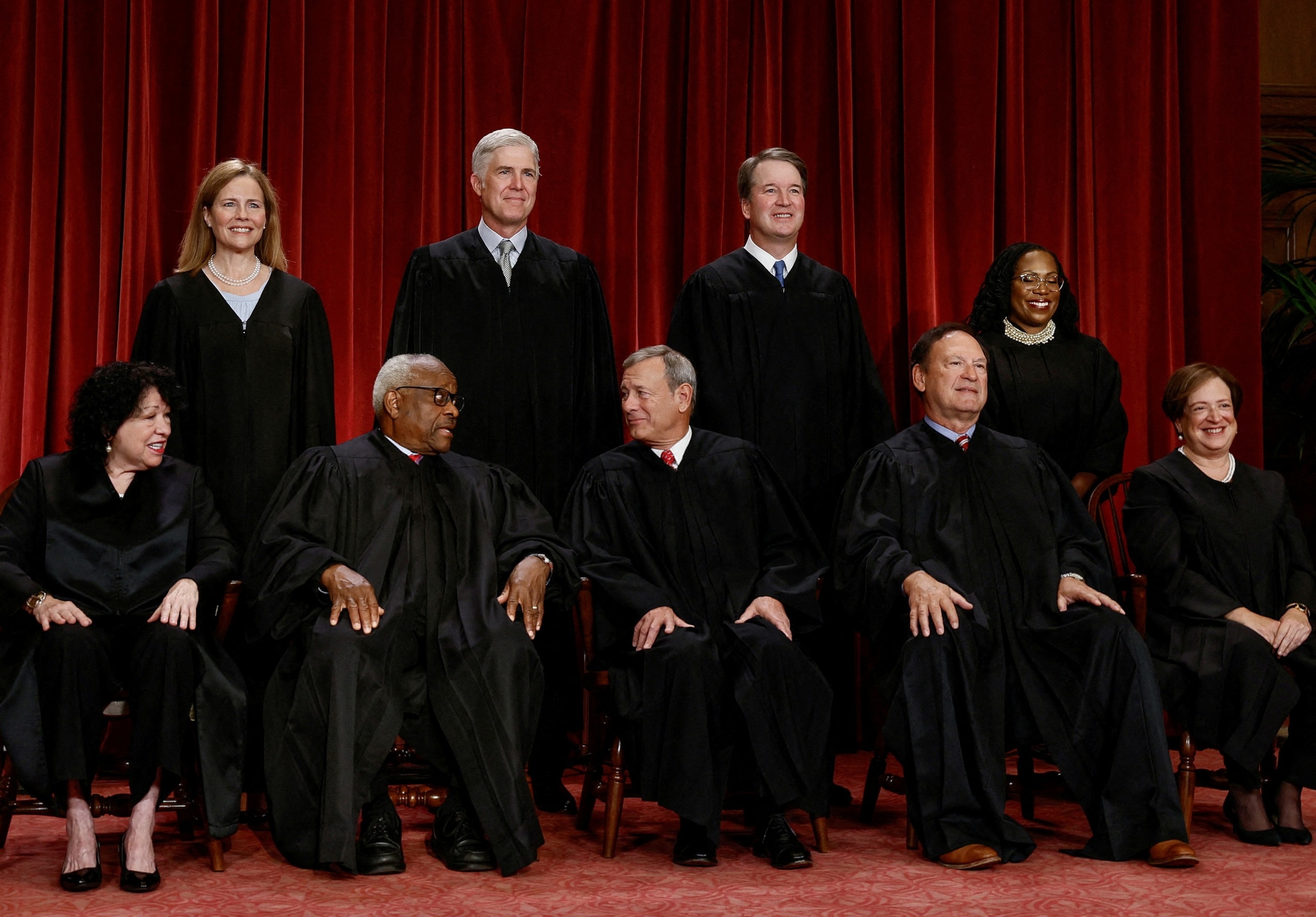
Justice Brett Kavanaugh attempted to downplay the potential impact, stating that “overruling or narrowing Humphrey’s won’t affect the existence of these agencies.” He also suggested that the Court might create exceptions for the Federal Reserve Bank and administrative courts.
The Supreme Court is also scheduled to hear arguments in a separate case concerning President Trump’s attempt to remove a Democratically-appointed member of the Federal Reserve, Lisa Cook. This case further underscores the ongoing debate over presidential control of independent agencies.
The outcome of Trump v. Slaughter will likely determine the future composition of the FTC and other regulatory bodies, and will significantly impact the degree to which independent agencies can truly operate independently. The Court is expected to issue a decision by the end of June 2026.
Here’s a summary of the potential impacts:
Expanded Presidential Power: A ruling in favor of the President would significantly expand the power of the executive branch, allowing the President to exert greater control over independent agencies.
Erosion of Agency Independence: The independence of numerous bipartisan agencies could be compromised, potentially leading to increased political influence in their decision-making processes.
Impact on Regulations: Changes in agency leadership could lead to shifts in regulatory policies, impacting various sectors of the economy and aspects of American life.
Future Appointments: Future presidents could face less resistance when appointing individuals to these agencies, potentially leading to a more politically aligned bureaucracy.
Legal Challenges: A ruling in this case could spark further legal challenges related to the powers and limitations of independent agencies.
The case has drawn significant attention from legal scholars, political analysts, and advocacy groups on both sides of the political spectrum. The implications for the future of American governance are substantial, making this one of the most closely watched cases before the Supreme Court.


